
Aug 26, 2025
Hollywood Smile Turkey vs Dubai | LYGOS DENTAL
Hollywood Smile Turkey vs Dubai — which is more advantageous? In this article, we will compare…
A well-planned vegan diet can support good dental health, but it may increase enamel wear or gum issues if it’s high in acids and sugars or low in calcium, vitamin D, and B12. With fortified foods, supplements when needed, and consistent oral hygiene, most vegans can maintain healthy teeth and gums.
Vegan eating patterns can be very tooth-friendly when they focus on whole foods, adequate minerals, and good oral routines. Problems usually come from frequent acidic drinks, sticky sugars, and nutrient gaps that affect enamel and gum tissues. The sections below cover the most common risks and the practical steps that help vegans keep their smile healthy.
A vegan diet is not automatically harmful to teeth or gums. Oral health is shaped more by overall diet quality, snacking frequency, fluoride exposure, and daily hygiene than by the absence of animal foods alone.
That said, a poorly planned vegan diet can increase risk in a few predictable ways. Low calcium or vitamin D can affect the strength of teeth and supporting bone, while low vitamin B12 may be linked with mouth ulcers and gum issues. Highly processed vegan snacks and frequent fruit juices can also raise the mouth’s acid and sugar load.
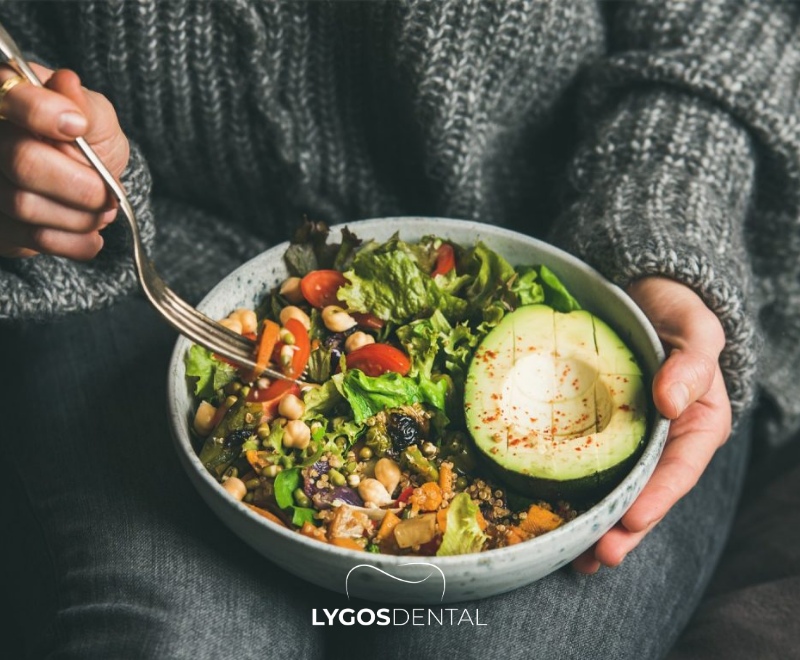
Many plant-based staples are acidic or become acidic in the mouth, especially when eaten often. Citrus fruits, vinegar-based foods, wine, kombucha, and fruit juices can soften enamel over time. Starchy foods that linger on the teeth may also feed acid-producing bacteria, increasing cavity risk.
Whole, fibrous foods can work in your favor. Crunchy vegetables, nuts, and seeds stimulate saliva, which helps neutralize acids and wash away food particles. Water-rich foods and steady hydration support saliva flow, an important defense against both decay and bad breath.
Calcium helps maintain strong teeth and jawbone, while vitamin D supports calcium absorption. Without dairy, vegans usually rely on a mix of naturally calcium-rich foods and fortified products.
Practical vegan sources include:
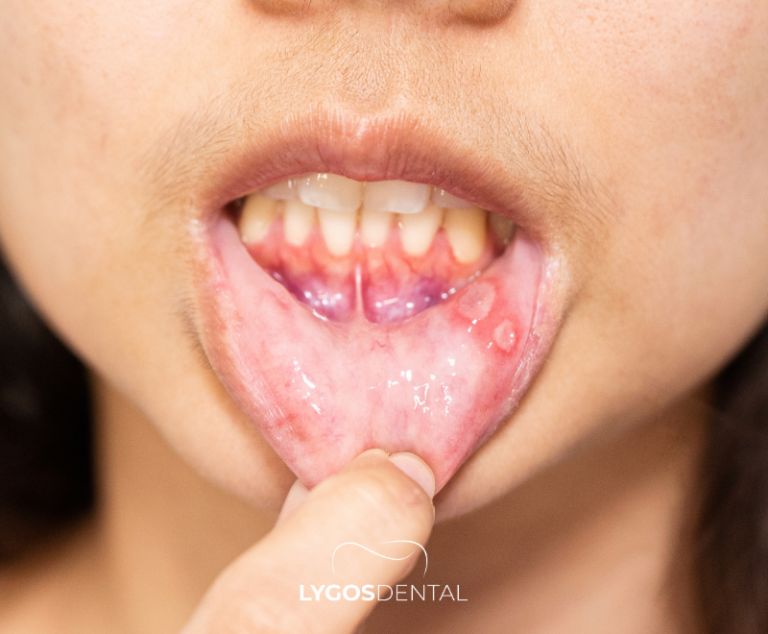
Vitamin B12 is essential for healthy blood cells and nerve function, and it supports immune response in the mouth. Because B12 is limited in unfortified plant foods, deficiency is more common in strict vegans who do not use fortified foods or supplements.
Low B12 has been associated with oral symptoms such as:
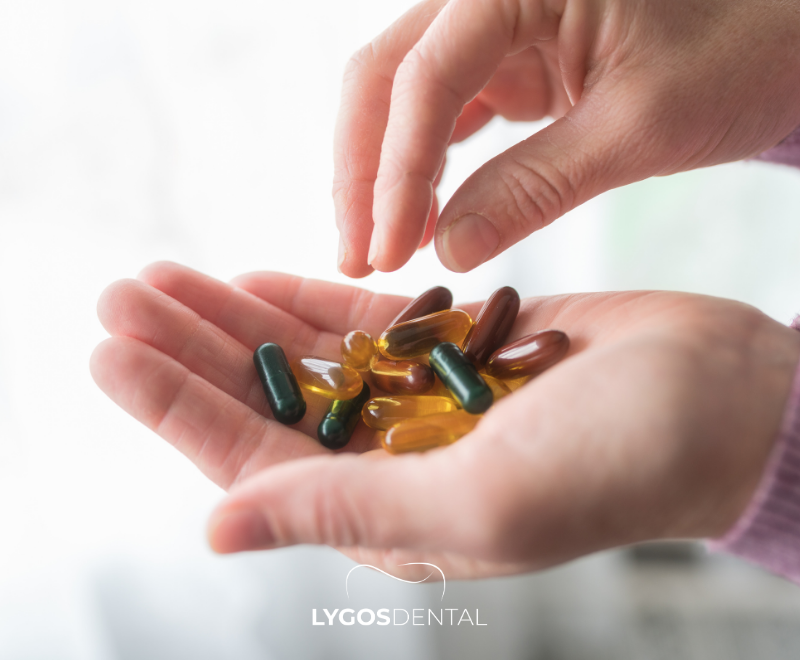
A reliable B12 supplement or regular intake of B12-fortified foods is the most consistent way to prevent deficiency.
Omega-3 fats play a role in inflammation control, which matters for gum health. Plant foods mainly provide ALA from flax, chia, walnuts, and hemp, while DHA and EPA are available from algae-based supplements.
Iron and zinc support immune function and tissue repair. If either is consistently low, some people notice more frequent mouth sores or slower healing after dental work.
Plant-based sources to prioritize:
Vegan toothpaste can be just as effective as conventional options when it contains proven anti-cavity ingredients. Many vegan formulas include fluoride, which strengthens enamel and reduces decay risk. Some are fluoride-free, so check the label and follow your dentist’s guidance if you’re choosing an alternative active ingredient.
Book a dental visit sooner than your next routine check-up if you notice persistent bleeding gums, new sensitivity, mouth ulcers that do not heal, a burning tongue sensation, or ongoing dry mouth. These symptoms can have several causes, including nutrient deficiencies, irritation, or gum disease, and are worth evaluating early.
Contact us to learn more about cosmetic dentistry, dental crowns, dental implants, and general dentistry. We can help you choose an oral care plan that fits your diet and your goals.
Vegan diets can support dental health with adequate calcium, vitamin D, B12, and hygiene.
No; decay is caused by sugars, acids, and plaque, not vegetarianism.
Vegetarians may have erosion or cavities if diets are acidic or sugary.
Not automatically; oral health depends on hygiene, fluoride, and sugar frequency.

Hollywood Smile Turkey vs Dubai — which is more advantageous? In this article, we will compare…
So, is fluoride toothpaste truly harmful, or is it an indispensable aid for dental health? In…
 Blog
Blog
A confident smile has the ability to significantly impact your life, but many individuals feel limited…