
Aug 26, 2025
Hollywood Smile Turkey vs Dubai | LYGOS DENTAL
Hollywood Smile Turkey vs Dubai — which is more advantageous? In this article, we will compare…
Pacifiers are generally safe in infancy, but frequent, prolonged sucking can change how the teeth and jaws grow. Over time, it may increase the chance of an open bite, crossbite, or protruding front teeth—especially if the habit continues beyond the toddler years. Choosing a well-designed pacifier and weaning early helps reduce the risk.
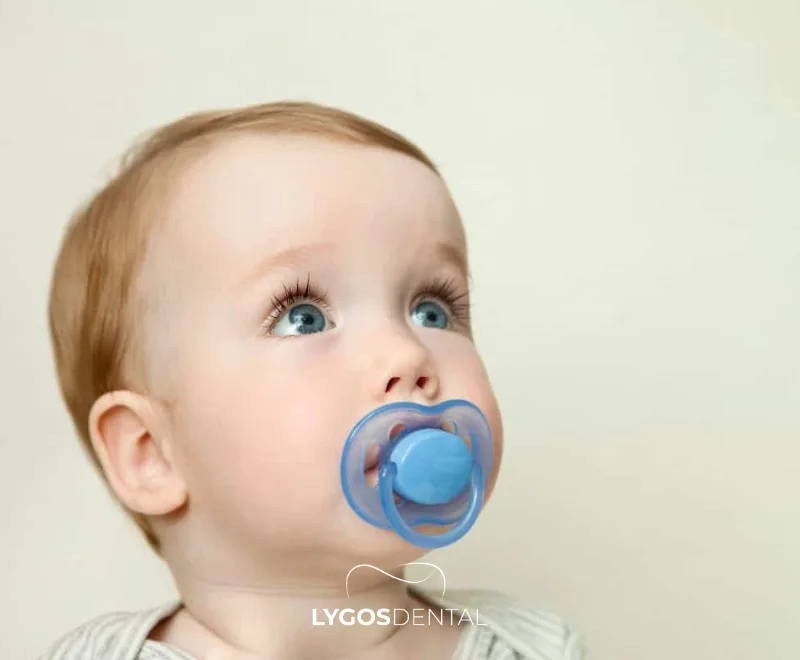
Pacifier use doesn’t automatically mean dental problems. The biggest drivers are how often the pacifier is used, how long the habit lasts, and the pacifier’s shape and firmness.
Many bite changes in baby teeth improve after stopping the pacifier early. If you’re unsure, a pediatric dentist can check growth and reassure you during routine visits.
Babies are born with a strong sucking reflex. When a pacifier is in the mouth for long periods, it applies gentle but consistent pressure to the gums, developing palate, and jaw.
Because these structures are still forming, repeated pressure can influence the width of the palate and how the front teeth erupt. The effect is usually dose‑dependent: longer and more intense use tends to create bigger changes.
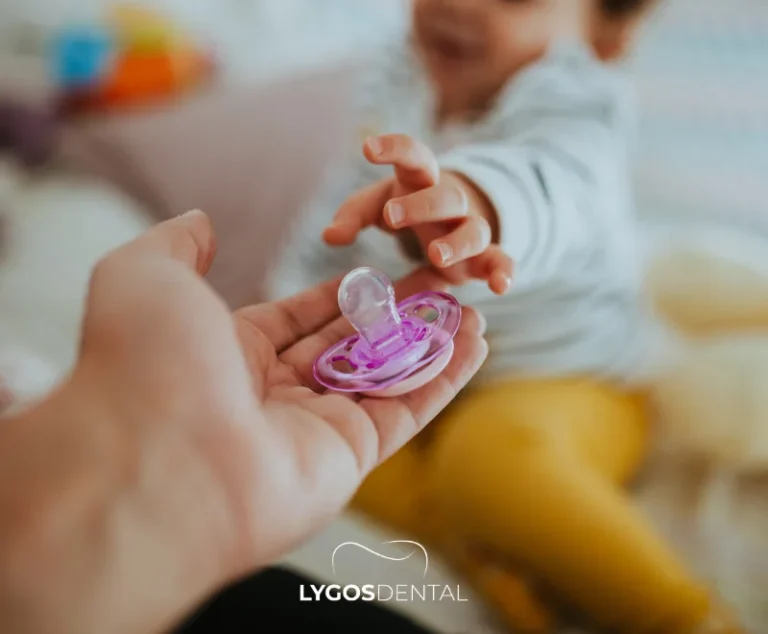
Dental professionals most often watch for bite changes rather than cavities from pacifier use itself. The following patterns are the ones most commonly associated with frequent, extended pacifier habits.
An open bite means the upper and lower front teeth don’t meet when the back teeth are together. A pacifier can hold the front teeth apart and keep the tongue forward, which encourages this gap over time.
A crossbite can happen when the upper jaw becomes relatively narrow, causing the upper back teeth to bite inside the lower teeth. Long-term sucking may contribute by putting outward pressure on the cheeks and inward pressure on the palate.
Some children develop upper front teeth that tip forward (often called increased overjet). This can affect lip closure and raise the risk of chipping a front tooth during falls or play.
In some cases, the palate may not widen as naturally as it should. A narrower palate can be linked to crowding and bite issues later, depending on growth patterns and genetics.
In many children, short, occasional pacifier use is unlikely to cause lasting harm. The risk rises when a child uses the pacifier for many hours a day, sleeps with it nightly for years, or keeps it in the mouth most of the day.
Pediatric dental guidance commonly focuses on stopping by around age 3, because bite changes such as open bite are more likely to persist when the habit continues longer. Some guidance also recommends reducing use earlier to limit effects on the developing mouth and ear infections.
If you use a pacifier, choose a one-piece design that is age-appropriate and easy to clean. Many parents prefer orthodontic-shaped pacifiers, which are designed to reduce pressure on the palate compared with round, bulb-shaped tips.
Try to avoid “all-day” pacifier use. Saving the pacifier for naps, bedtime, or short calming moments reduces the total time pressure is applied to the teeth and jaws.
If your child can be soothed with rocking, a comfort blanket, or a short routine, these can gradually replace the pacifier without a daily battle.
Replace worn pacifiers and clean them regularly. Avoid dipping a pacifier in honey, syrup, or any sugary substance—this increases the risk of tooth decay, and honey is unsafe for infants under 12 months due to botulism risk.
If your child uses a pacifier at night once teeth have erupted, keep brushing as the last step before sleep and offer only water afterward.
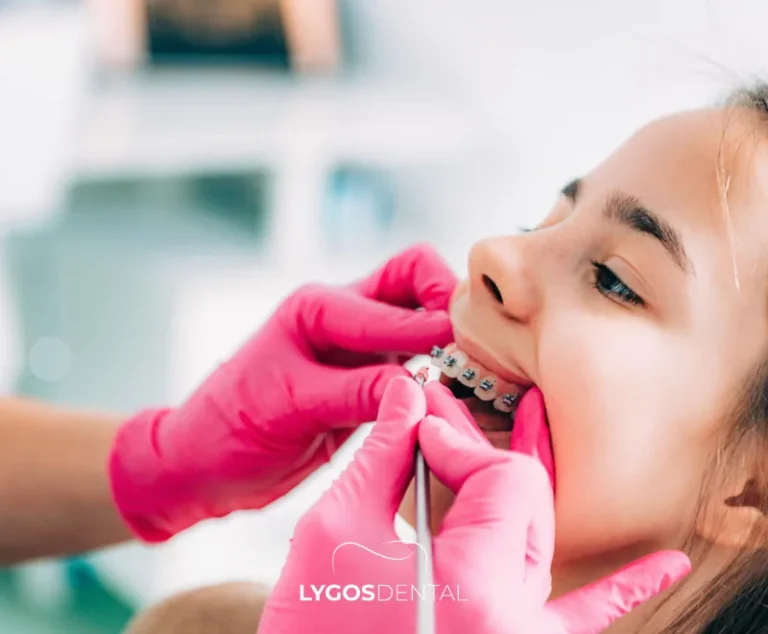
Both habits can affect dental development when they are frequent and long-lasting. A pacifier is often easier to limit and remove because parents control access, while thumb-sucking can be harder to stop because the “habit tool” is always available.
If your child prefers thumb-sucking, talk to a pediatric dentist early. Gentle habit guidance can help before the behavior becomes deeply routine.
When pacifier use stops early, many mild bite changes in baby teeth improve naturally as the mouth continues to grow. Improvement is more likely when the habit ends before it becomes a long-term, daily pattern.
Book a dental check if you notice a persistent gap between the front teeth, one side biting “inside” the other, speech concerns, or if the pacifier habit continues past the toddler years.
A clinician can monitor growth, advise on weaning strategies, and suggest treatment options if a bite problem does not self-correct.
If you’re concerned about pacifier use or your child’s bite, a pediatric dental exam can confirm whether development is on track and whether any early changes are likely to resolve after weaning.
Not necessarily. For many babies, pacifiers are a normal soothing tool. Dental concerns are mainly linked to heavy, prolonged use rather than short, occasional use.
Look for an age-appropriate, one-piece pacifier with an orthodontic-shaped nipple and a shield that allows airflow. Replace it when it shows wear.
Many professionals suggest starting to reduce use in the second year and aiming to stop by around age 3 to lower the chance of longer-lasting bite changes.
Often, yes. Mild changes may improve after stopping early. If a bite issue persists, a pediatric dentist or orthodontist can recommend monitoring or treatment.
Either can affect the bite if frequent and long-lasting. Thumb-sucking is often harder to control because it can’t be taken away, so it may persist longer in some children.
