
Dec 6, 2024
Dental Work in Turkey | LYGOS DENTAL
Dental Work In Turkey Dental work in Turkey is popular with international patients looking for modern…
Tooth loss can affect speech by changing how air flows through the mouth and where the tongue and lips make contact. Gaps—especially in the front teeth—often make sounds like s, z, f, v, and th harder to pronounce, leading to lisping or whistling. Replacing missing teeth and adjusting bite support usually improves clarity.

Teeth are part of the “articulation system” that shapes sound. They help control airflow and give the tongue and lips stable surfaces to press against when forming consonants.
When a tooth is missing, the mouth often compensates by changing tongue position or letting extra air escape. That can distort certain sounds, reduce crispness, or make speech feel less effortless—especially at normal conversation speed.
Sibilant sounds like “s” and “z” rely on a narrow channel of air directed toward the front teeth. Missing front teeth can widen that channel, causing lisping, whistling, or a softer, less defined sound.
For “f” and “v,” the upper front teeth lightly touch the lower lip. If those teeth are missing or significantly shifted, it can be harder to create the correct friction, which may lead to substitutions (for example, a sound closer to “p” or “b”).
Sounds such as “t,” “d,” “n,” and “th” depend on precise tongue placement near the teeth and the ridge behind them. Gaps can change the tongue’s target and timing, so words may sound slightly slurred or less clear until you adapt.
The impact isn’t only about the visible gap. Tooth loss can affect speech through several practical changes:

Missing front teeth tend to cause the most noticeable speech changes because they are directly involved in forming many consonants. A single missing tooth may create a subtle whistle, while multiple gaps can make clarity noticeably worse.
Missing back teeth usually affects chewing more than pronunciation at first. Over time, though, back-tooth loss can reduce bite support, encourage shifting, and change jaw posture—which may indirectly influence speech and comfort.
Speech changes can feel frustrating, even when they’re mild. Some people speak more slowly, avoid certain words, or hold back in social situations because they’re self-conscious about pronunciation or appearance.
If you notice yourself avoiding conversations, meetings, or phone calls, it’s worth addressing the dental cause early. Restoring a stable bite and tooth surfaces often helps both clarity and confidence.
Many speech issues improve once missing teeth are replaced and the mouth has time to adapt. The right option depends on how many teeth are missing, where they are, and your overall oral health.
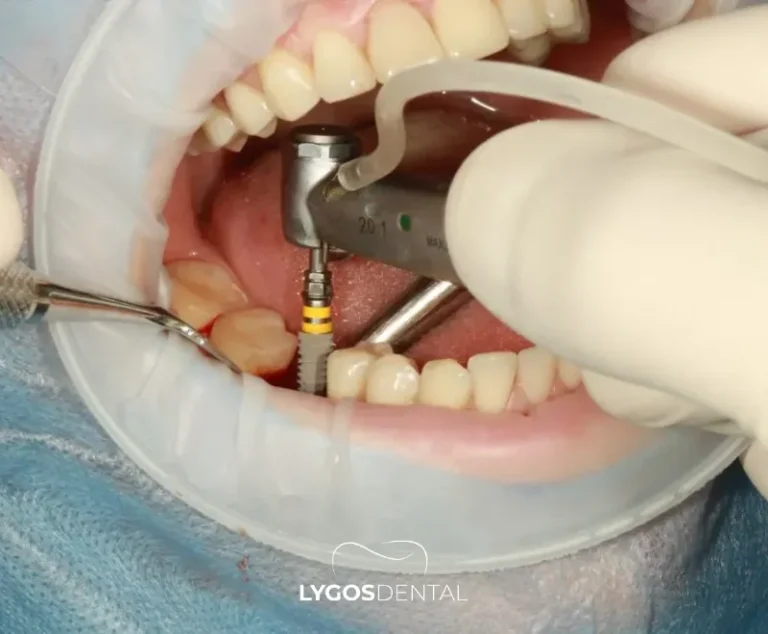
Implants replace the tooth root and crown, providing a stable, fixed surface for speech and chewing. They can be especially helpful for front-tooth gaps where airflow control and lip contact matter most.
Bridges can restore missing teeth by anchoring to nearby teeth. When the fit is precise, bridges often improve pronunciation quickly because they recreate the surfaces the tongue and lips need.
Dentures can improve speech, but fit is everything. If a denture shifts when you talk, it may cause clicking, slipping, or a muffled sound—issues that often improve with adjustments, relines, or design changes.
If you have an established lisp, long-standing tooth loss, or you’re struggling to adapt after dental work, a speech-language pathologist can teach practical placement and airflow strategies. Dental treatment and speech therapy can work well together.
Not every case is preventable, but risk drops significantly with consistent home care and routine check-ups. Tooth decay, gum disease, trauma, and habits such as grinding are common contributors.
Brush twice daily with fluoride toothpaste, clean between teeth every day, and keep regular dental visits. If you play contact sports or grind your teeth at night, a mouthguard or night guard can also help protect your teeth.
Yes, tooth loss can cause lisping and difficulty pronouncing s, f, v, th.
Yes, pain, swelling, malocclusion, or ill-fitting dentures can impair clear speech.
Yes, missing teeth can alter articulation and airflow, subtly changing perceived voice.
Front incisors and canines, plus upper front teeth, affect s, f, v, th sounds.
Yes, missing teeth disrupt tongue placement and airflow, causing distortion of certain consonants.
