
Nov 29, 2024
Oral and Maxillofacial Surgery | LYGOS DENTAL
Oral And Maxillofacial Surgery: Everything You Need To Know Oral and maxillofacial surgery is a fascinating…
Braces can feel socially awkward at first because they change your smile, may slightly affect speech, and require extra care when eating out. Most people adjust within a few days to a few weeks. Over time, straighter teeth often boost confidence and make smiling easier, which can improve social comfort.
Orthodontic treatment can improve bite function, oral health, and the look of your smile. At the same time, it can influence how you feel in social settings—especially early on, when the mouth is still adapting. The good news is that most social changes are temporary, and many people feel more confident as treatment progresses.

The first days with braces often come with a visible change in your smile, mild soreness, and a learning curve with cleaning. If you are a teen, you may worry about comments at school; if you are an adult, you may feel self-conscious at work or on dates. These feelings usually settle as braces become part of your normal routine.
If visibility is your biggest concern, ask your orthodontist about lower-profile options such as ceramic braces, lingual braces (behind the teeth), or clear aligners when they are appropriate for your case.
Meals with friends can feel different at first because certain foods can loosen brackets or bend wires. With a few simple habits, most people keep eating out without feeling restricted.
Hard, sticky, or very chewy foods are the most likely to cause problems. When you are out, choose softer options and cut food into smaller pieces so you can chew comfortably.
Food getting caught in braces is common and can feel embarrassing, but it is easy to manage. Carry a travel toothbrush, interdental brush, or floss threaders in your bag. A quick rinse with water after eating also helps until you can brush properly.

Braces change the way the lips and tongue move around the teeth, so it is normal to notice small differences at first. Most people adapt quickly, and friends typically notice far less than you do.
Some sounds (like ‘s’ or ‘t’) can feel different in the first week or two, especially if you have bite ramps or new elastics. Reading aloud for a few minutes a day can speed up the adjustment. If speech feels unchanged after several weeks, your orthodontist can check for a specific cause.
It is common to smile less in the beginning, particularly in close-up photos. As teeth start to align, many people feel more comfortable smiling and laughing again. If you feel tense in photos, practice relaxed smiles in the mirror so you know what feels natural.
Confidence tends to dip at the start of treatment and rise as progress becomes visible. Seeing straighter teeth, a better bite, or reduced crowding can shift your focus from the braces to the results. For many people, that change makes social situations easier, not harder.
Most people are used to seeing braces and will not think twice about them. If someone makes an awkward comment, a calm response can shut it down without turning it into a big moment. Simple lines like “Yep—getting them straightened” or “Finally fixing my bite” usually move the conversation on.
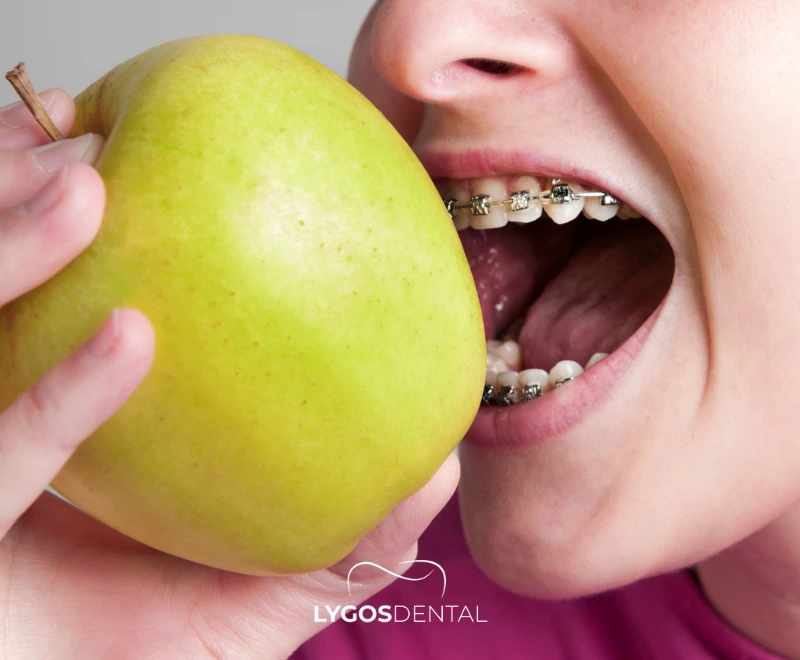
A few practical tools can prevent the situations people worry about most. These tips are especially helpful for school, work meetings, travel, and special events.
Sore spots: Use orthodontic wax on irritating brackets and rinse with warm salt water if your orthodontist says it is suitable.
Dry lips or irritation: Keep lip balm handy and drink water regularly, especially in heated or air-conditioned spaces.
Broken bracket or poking wire: Contact your orthodontist promptly; short-term fixes like wax can help until you are seen.
Worry about close-up conversations: Angle your body slightly, keep eye contact, and speak at a relaxed pace—people focus on your face, not your braces.
Feeling self-conscious: Remind yourself that treatment is temporary and the results are long-term.
Braces are not only about appearance. They can support better oral hygiene habits, make cleaning easier as alignment improves, and reduce the discomfort that can come from a poor bite. As your smile changes, it often becomes easier to speak, laugh, and show your teeth without overthinking it.
If pain, mouth sores, or speech changes feel intense or do not improve, it is worth checking in with your orthodontist. Small adjustments—like smoothing a wire, changing elastic wear, or adding wax in the right spots—can make a big difference. Getting advice early helps you stay comfortable and social throughout treatment.
Some people feel more self-conscious at first, and eating or speaking can take a little practice. As you adjust, social life usually returns to normal, and many people feel more confident as their teeth straighten.
It can be for a short period, especially in the first week or two. Reading aloud and speaking slowly at first often helps, and most people return to their usual speech quickly.
They can at the beginning if you are focused on the change in your smile. Confidence often improves as you see progress and feel good about investing in your long-term oral health.
Braces are common, and most people are supportive or neutral. If someone teases you, keeping your response simple and confident usually ends the interaction.
No. A natural smile is still a natural smile. If you feel unsure at first, give yourself time—many people end up smiling more as treatment moves forward.
