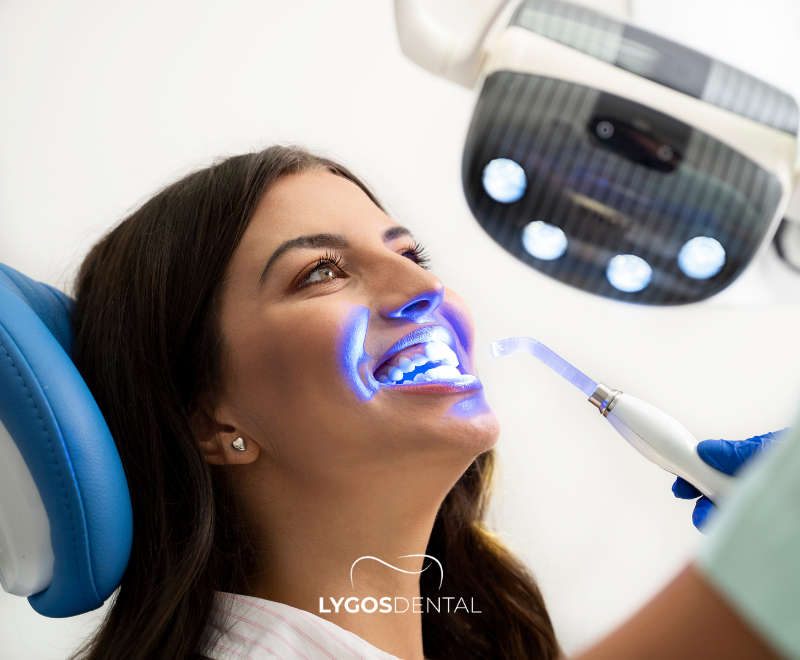
Dental bonding is done by gently preparing the tooth surface, applying a bonding agent, and shaping a tooth‑colored composite resin to match your smile. A blue curing light hardens the material in seconds, then the dentist trims and polishes it for a natural finish. Most cases take 30–60 minutes per tooth.
What Is Dental Bonding?
Dental bonding is a cosmetic and restorative technique where a dentist applies composite resin to the tooth to improve its appearance or function. The resin is color-matched to blend with nearby teeth, then hardened with a curing light. Because it usually requires minimal enamel removal, bonding is considered a conservative option compared with veneers or crowns.
When Is Dental Bonding Recommended?
Bonding works best for small-to-moderate changes where the tooth is otherwise healthy. Dentists often use it to correct minor shape issues or repair limited damage. If the tooth is heavily broken down or the bite forces are high, more durable options may be advised.
- Small chips or edge fractures
- Hairline cracks or worn edges
- Small gaps between front teeth
- Discoloration that doesn’t respond well to whitening
- Slightly uneven or misshapen teeth
- Exposed root surfaces from gum recession (to reduce sensitivity and protect the root)
1) Consultation And Shade Selection
Your dentist examines the tooth, checks your bite, and discusses what you want to change. A shade guide is used to choose a resin color that matches your natural enamel (or a slightly brighter shade if you’re bonding after whitening). Photos may be taken to document the starting point and plan the shape.
2) Tooth Preparation
The tooth is cleaned and isolated so the area stays dry. The surface is lightly roughened and treated with an etching gel or conditioning solution to help the resin grip the enamel. A bonding agent is then brushed on and set with a light, creating a strong foundation.
3) Applying And Sculpting The Composite Resin
The dentist places composite resin in thin layers and sculpts it to the desired shape. This step is where the final look is created—contours, edges, and symmetry are adjusted to blend with nearby teeth. For gaps or larger repairs, multiple layers may be used to build strength and a lifelike appearance.
4) Curing, Finishing, And Polishing
A blue LED curing light hardens each layer in seconds. Once the resin is fully set, the dentist refines the shape, checks the bite, and polishes the surface so it reflects light like natural enamel. When done properly, bonding should feel smooth, look seamless, and not interfere with how your teeth come together.
Benefits Of Dental Bonding
Bonding is popular because it delivers noticeable cosmetic improvement with minimal chair time. It can often be completed in a single visit and usually without anesthesia unless the dentist is also treating decay or working near the nerve.
- Cost-effective compared with veneers or crowns
- Fast results (often 30–60 minutes per tooth)
- Conservative approach with little to no enamel removal
- Natural-looking finish when shade and polish are done well
- Easily repairable if a small area chips
Limitations And Risks
Composite resin is strong, but it is not as stain-resistant or wear-resistant as porcelain. Knowing the limits helps you choose the right treatment and set realistic expectations.
- Chipping or cracking, especially if you bite hard objects or grind your teeth
- Staining over time from coffee, tea, red wine, and tobacco
- A shorter lifespan than porcelain restorations (often about 3–10 years, depending on bite and habits)
- Color mismatch if surrounding teeth change shade later (for example after whitening)
Who Is A Good Candidate For Bonding?
Bonding is a good fit for patients with healthy enamel and minor cosmetic concerns. It’s commonly chosen for front teeth where appearance matters most and bite forces may be lighter. If you have active gum disease, untreated decay, heavy clenching, or very large restorations, your dentist may recommend another approach.
Aftercare: How To Make Bonding Last
You can eat and drink soon after bonding, but gentle habits make a big difference in longevity. The resin can pick up stains and wear faster than natural enamel, so prevention matters.
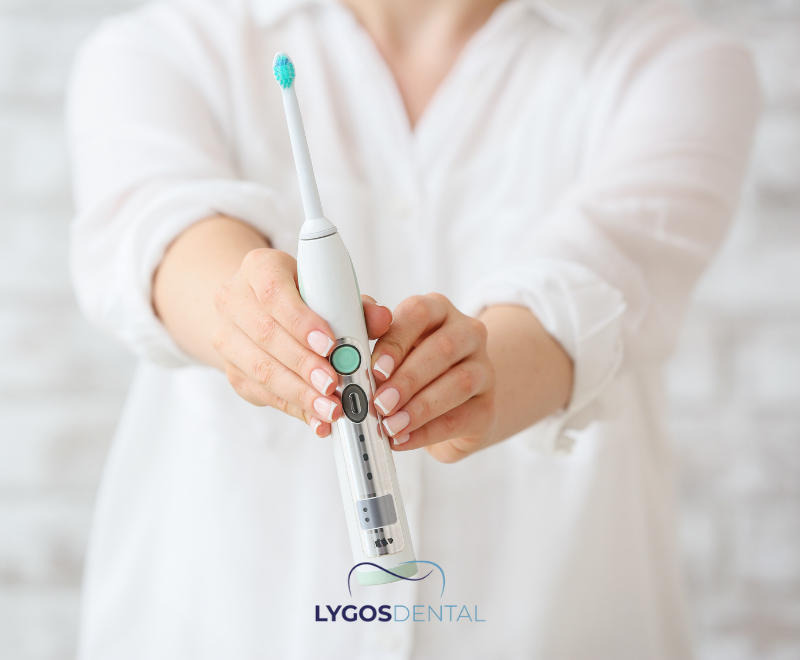
- Brush twice daily with a non-abrasive toothpaste and floss every day
- Avoid biting ice, pens, fingernails, and hard candies
- Limit strong staining foods and drinks; rinse with water after coffee or tea
- Schedule regular cleanings and ask your dentist to check the bonded edges
- If you grind at night, wear a custom night guard to reduce chipping risk
Frequently Asked Questions
Is a dental bonding procedure painful?
Dental bonding is usually painless; numbing is rarely needed unless decay is treated.
How long does a tooth bonding last?
Tooth bonding typically lasts 3–10 years, depending on care and location.
How is dental bonding done?
Dental bonding involves etching, applying resin, shaping, hardening with light, then polishing.
Do teeth rot under bonding?
Teeth can decay around bonding margins if plaque accumulates; resin itself doesn’t rot.
Is bonding better than veneers?
Bonding is cheaper and reversible; veneers last longer and resist stains better.
How long can you eat after dental bonding?
You can eat immediately after bonding, but avoid hard or staining foods for 24 hours.


 Blog
Blog