
Dec 27, 2025
Tooth Whitening: What We Now Know
So, how does tooth loss affect speech? In this article, we will examine in detail the…
Most orthodontists suggest wearing a retainer full-time (about 20–22 hours a day) for the first 6–12 months after braces. After that, many patients switch to nights only. Because teeth can keep drifting over time, nightly wear for several years—or longer—is common, based on your orthodontist’s plan.
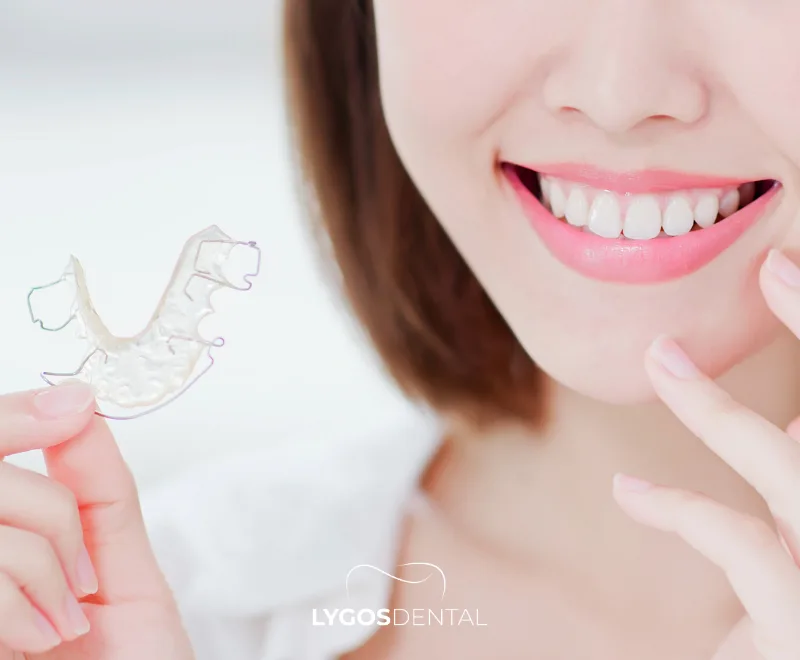
A retainer is a custom-made dental appliance that helps keep teeth in the position achieved after orthodontic treatment. Depending on your case, you may have a removable clear retainer (often called an Essix retainer), a wire-and-acrylic Hawley retainer, or a fixed (bonded) retainer attached behind the teeth.
Retention is the part of treatment that protects your result. Even perfectly straight teeth can shift if the supporting tissues haven’t fully adapted.
After braces or aligners, the gums, periodontal ligaments, and surrounding bone need time to settle around the new tooth positions. During this remodeling phase, teeth are more likely to drift, especially in the first year.
Bite changes, late jaw growth, crowding tendencies, and habits such as clenching or grinding can also contribute to gradual movement over time. That’s why many orthodontists recommend long-term nighttime wear, even after the initial adjustment period.
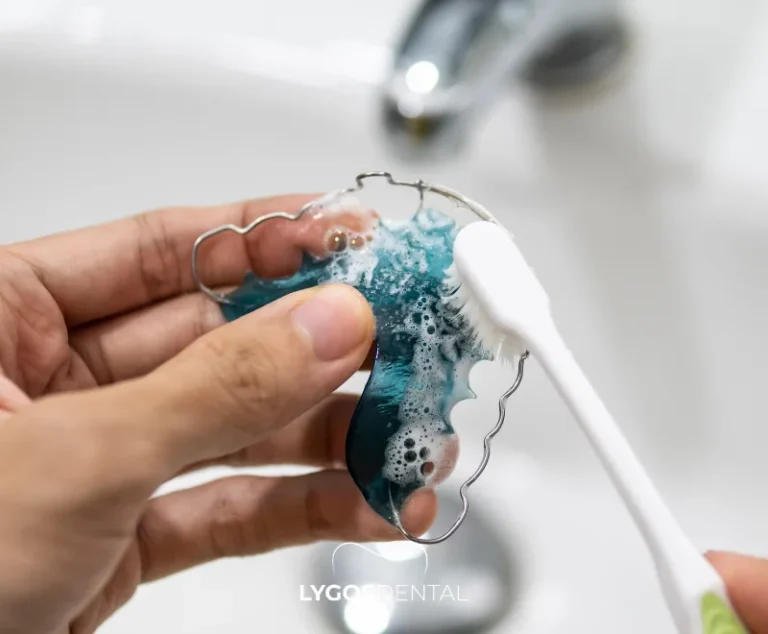
Your orthodontist’s instructions always come first, but these timelines reflect common retention plans for removable retainers.
Many patients are advised to wear a removable retainer for 20–22 hours per day, taking it out only for meals and brushing. This is usually the most critical phase for preventing early relapse.
Once the teeth are more stable, wear is often reduced to nights only. If your retainer feels tight after a break, that can be a sign your teeth have started to move—resume wear and contact your orthodontist for guidance.
Many people benefit from nightly wear for several years. In some cases—especially when there’s a higher risk of crowding or bite changes—nighttime wear may be recommended indefinitely.
A fixed retainer is a thin wire bonded to the back of the front teeth. Because it stays in place, it doesn’t rely on daily compliance, but it does require careful flossing and regular checks to ensure it hasn’t loosened.
Removable retainers are taken out for eating and cleaning. They’re easy to keep clean when used correctly, but skipping wear can lead to shifting that may make the retainer stop fitting properly.
Nighttime retention helps protect against subtle movement that can happen from clenching, grinding, or normal day-to-day forces. Many people don’t notice their teeth shifting until the change is visible or their retainer feels snug.
If you’ve been told to wear your retainer at night, treat it like maintenance—similar to wearing a mouthguard. It’s a small habit that can help preserve years of orthodontic work.
Teeth can begin to drift back toward their old positions, sometimes within weeks. If your retainer no longer fits, don’t force it—contact your orthodontist, since you may need an adjustment or a replacement to avoid damaging the appliance or your teeth.
Many orthodontists recommend full-time wear for the first 6–12 months, then nighttime wear. Your schedule may be shorter or longer depending on how your teeth respond and your bite stability.
Some patients are advised to wear a retainer at night long-term because teeth can shift with age. If your orthodontist recommends ongoing nighttime wear, it’s usually to prevent gradual crowding or relapse.
Put it back in as soon as you remember. If it feels tight or painful, wear it for shorter periods and call your orthodontist for advice—especially if the fit has changed.
Fixed retainers are bonded behind the teeth and stay in place, while removable retainers are taken out for meals and cleaning. Both can work well when maintained properly.

So, how does tooth loss affect speech? In this article, we will examine in detail the…
 Blog
Blog
A confident smile has the ability to significantly impact your life, but many individuals feel limited…
 Blog
Blog
Dental aesthetic operations are increasingly popular for enhancing smiles and boosting confidence. However, achieving optimal results…