
Oct 8, 2025
Invisalign Prices in Turkey vs UK | LYGOS DENTAL
In this article, we will explore the topic of the best dentist in Bahçelievler in detail…
Brush twice a day for two minutes using a soft-bristled toothbrush and fluoride toothpaste. Hold the brush at a 45-degree angle to the gumline, use gentle small circles on every surface, and don’t forget the back teeth and tongue. Spit, rinse if you prefer, and clean and dry your toothbrush.
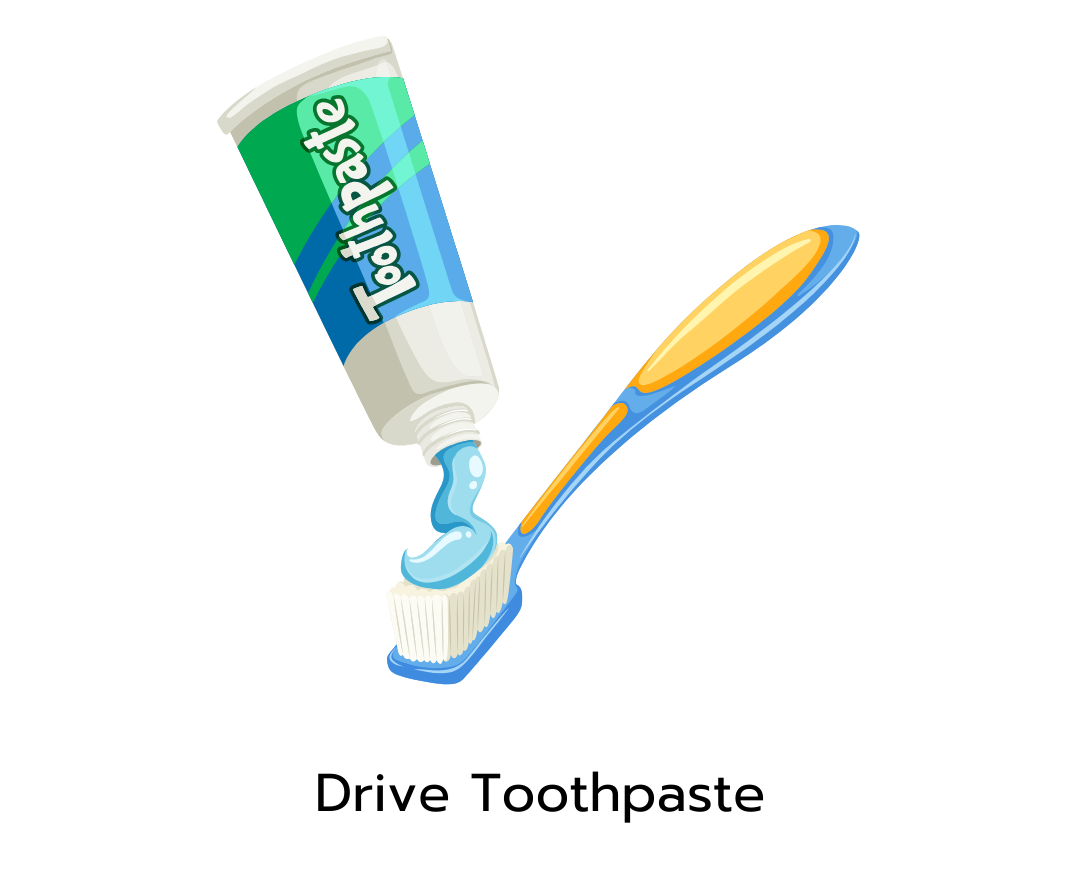
Choose a soft-bristled toothbrush that fits comfortably in your mouth and reaches the back molars. A small head often makes it easier to clean along the gumline. Replace your brush or brush head every 3–4 months, or sooner if the bristles flare.
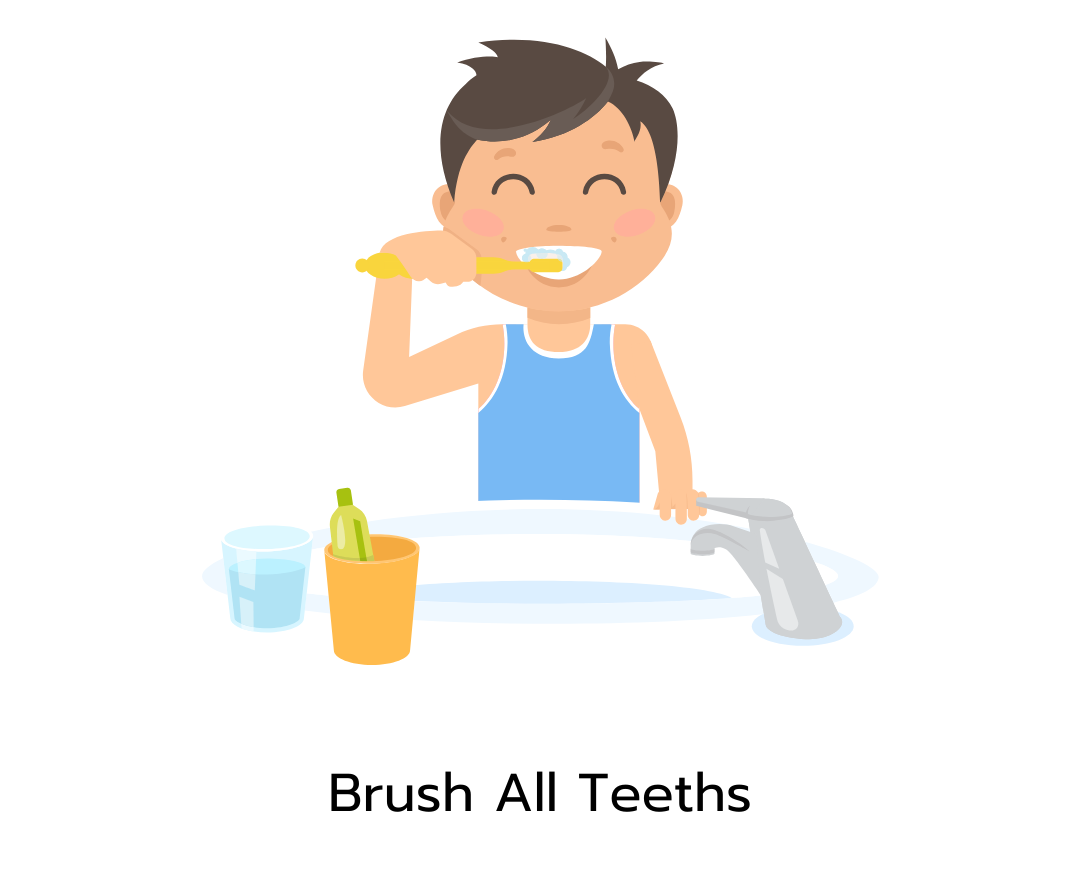
Fluoride toothpaste helps strengthen enamel and lowers the risk of cavities. If you have sensitivity, look for a formula labeled for sensitive teeth. If you build tartar quickly or have gum irritation, ask your dentist which option fits your situation.
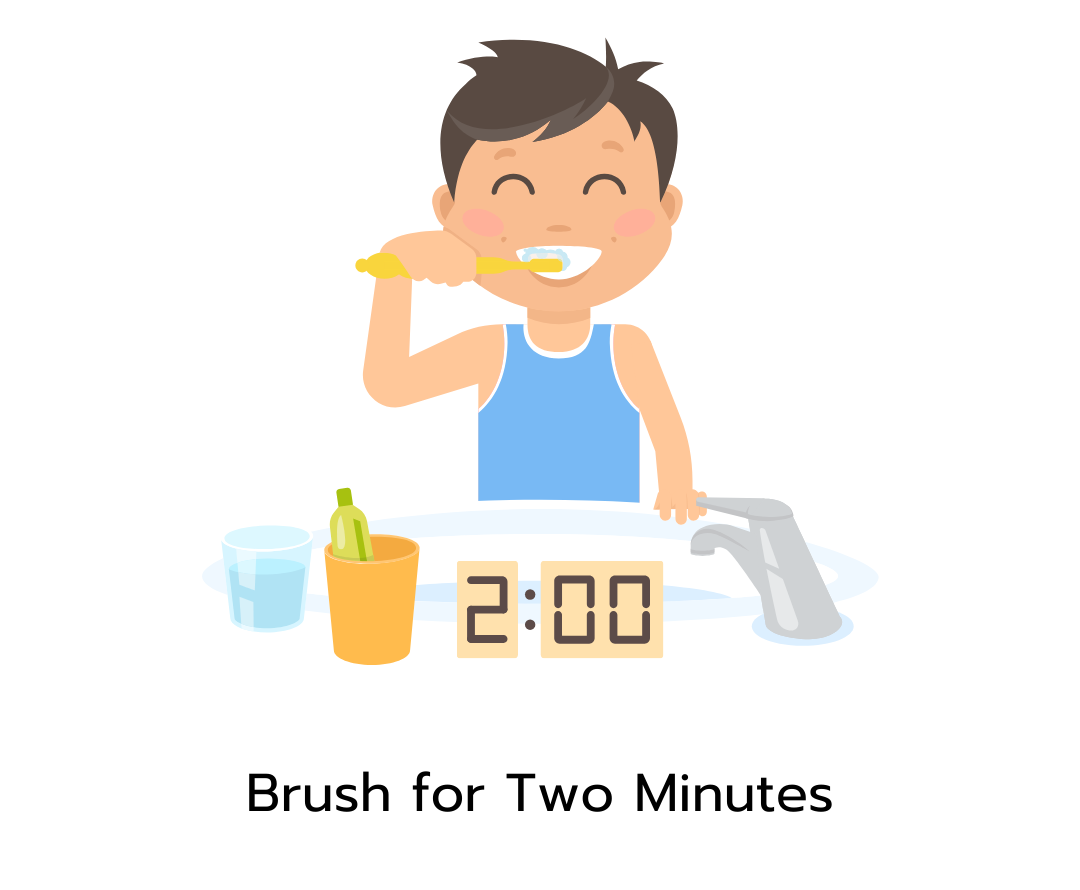
Two minutes gives you enough time to clean every surface without rushing. If you tend to stop early, use a timer, a toothbrush with a built-in timer, or play a two-minute song.
Hold the brush at about a 45-degree angle where the teeth meet the gums. This targets plaque that collects at the gumline, an area that’s often missed with straight up-and-down brushing.
Move the brush in small circles or short strokes, using light pressure. Scrubbing hard can irritate gums and wear tooth surfaces over time. Cover the outer surfaces, inner surfaces, and chewing surfaces of every tooth.
Molars and the inner surfaces of the lower front teeth collect plaque quickly. Take your time in these areas and tilt the brush as needed for better contact.
Bacteria and debris on the tongue can contribute to bad breath. Brush gently from back to front or use a tongue scraper.
Spit out the toothpaste. If you rinse, use water or an alcohol-free mouthwash. Rinse the toothbrush well, shake off excess water, and store it upright so it can air-dry.
Brush twice a day—once in the morning and once before bed. The nighttime brush matters most because it removes the day’s buildup of plaque and food particles. If you snack frequently, rinsing with water after eating can help until you’re able to brush.
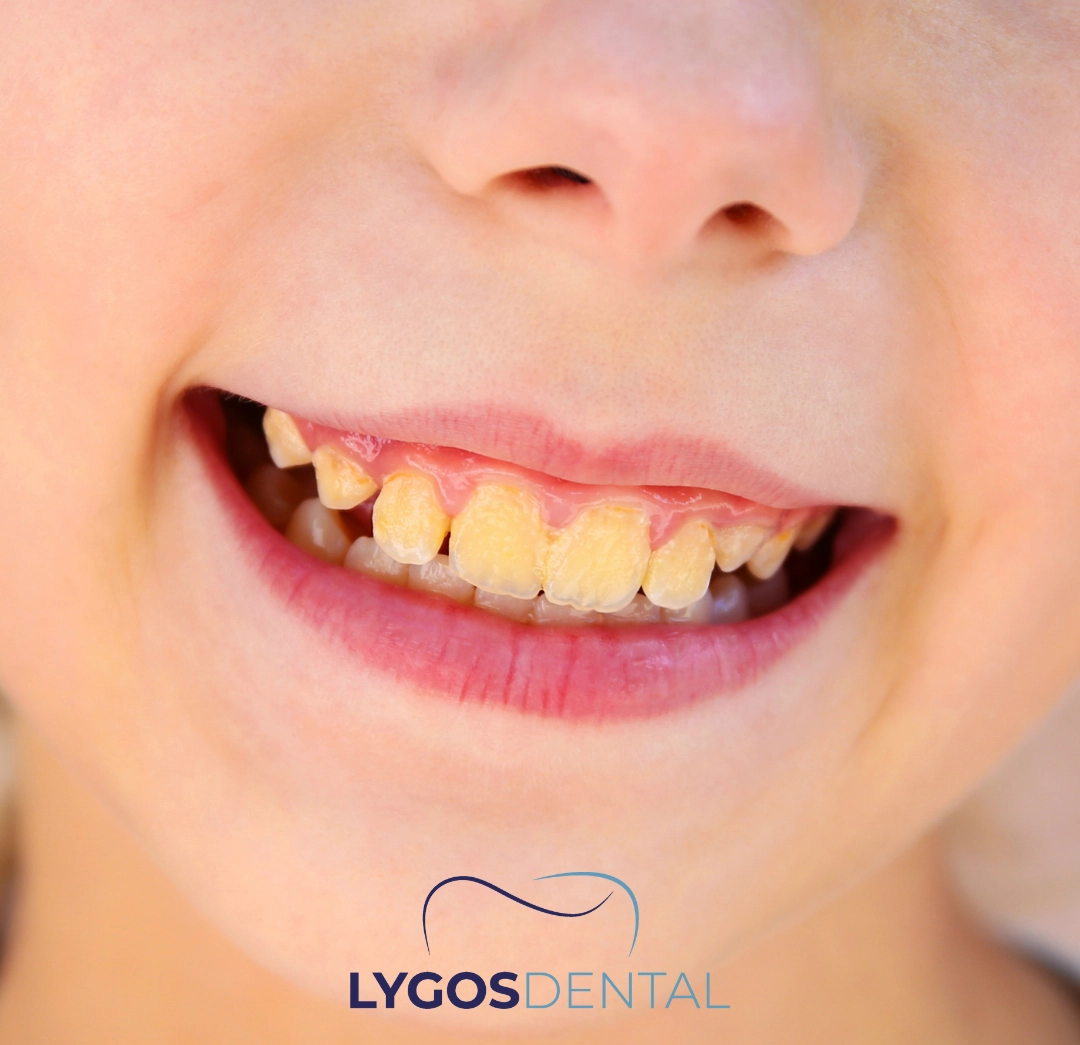
Plaque is a sticky film of bacteria and food debris that forms on teeth every day. Brushing and flossing disrupt plaque before it hardens into tartar. Focus on the gumline and the spaces between teeth, where plaque tends to collect.
Floss once a day, or use interdental brushes if they’re easier for you. An antibacterial mouthwash can support your routine, especially if you’re prone to gum inflammation. Cutting back on frequent sugary snacks also helps because bacteria feed on sugar and produce acids.
Baking soda (sodium bicarbonate) can help lift surface stains because it’s mildly abrasive. Used too often or with heavy pressure, it can increase sensitivity and wear enamel.
If you have crowns, veneers, or significant sensitivity, check with your dentist before using baking soda. Professional whitening options may be a better fit for deeper discoloration.
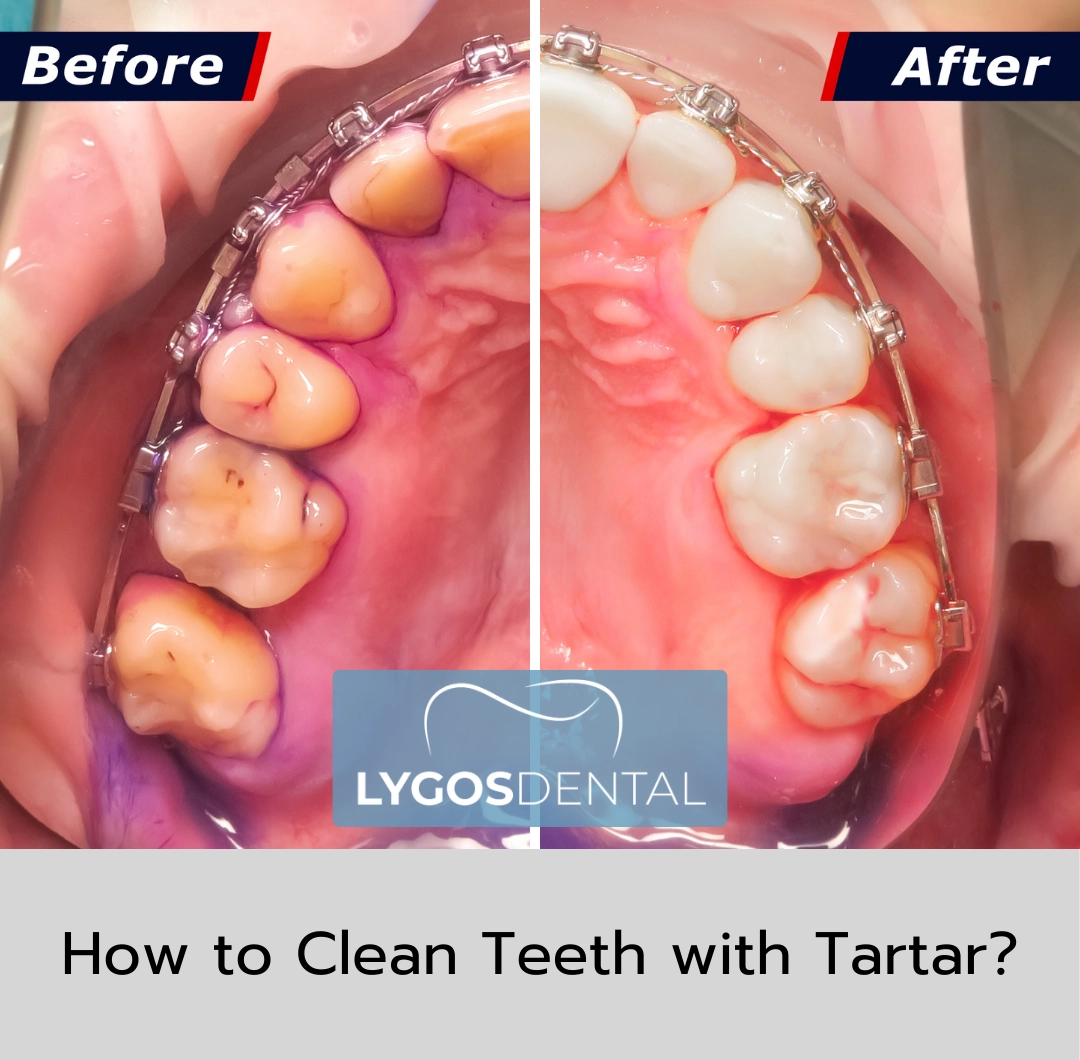
Tartar (calculus) forms when plaque hardens on the teeth and along the gumline. Once tartar forms, it can’t be brushed off at home and usually needs professional cleaning.
To slow tartar buildup, brush twice daily, floss every day, and consider a tartar-control toothpaste if your dentist recommends it. Electric toothbrushes can make it easier to remove plaque consistently, which reduces how much tartar can form over time.
Braces create extra surfaces where plaque and food can get trapped. Brushing after meals is ideal, especially if you eat sticky or crunchy foods.
After brushing, look in the mirror for any remaining debris around brackets and between teeth. That quick check prevents missed spots from turning into stains or cavities.

Cleaning fees vary by country, city, clinic, and the type of cleaning you need. A routine cleaning (often called prophylaxis) is usually less expensive than a deep cleaning used for gum disease. Insurance or dental plans may cover routine cleanings, often on a set schedule each year.
If you’re comparing clinics, ask whether the quote includes an exam, X-rays, polishing, and fluoride treatment. Sticking to daily brushing and flossing helps keep cleanings simpler and reduces the chance you’ll need more complex periodontal care.
See a dentist if you have persistent bleeding gums, tooth pain, sensitivity that doesn’t settle, or bad breath that returns quickly after brushing. These can be signs that you need a professional evaluation or a tailored home-care plan.
Brush twice a day—once in the morning and once before bed. If you snack often or drink sugary or acidic drinks, rinsing with water afterward can help between brushes.
Aim for two minutes each time. A timer, electric toothbrush timer, or a two-minute song can make it easier to stay consistent.
Both can work well when used correctly. Many people find electric brushes easier for maintaining gentle pressure and steady technique, especially if you tend to rush.
Choose a fluoride toothpaste unless your dentist recommends otherwise. If you have sensitivity, look for a toothpaste labeled for sensitive teeth and give it a few weeks of regular use to judge results.
Yes—gently brushing your tongue (or using a tongue scraper) can reduce odor-causing bacteria. Keep it light to avoid irritation.
