
Mar 27, 2025
Gappy Teeth
A beautiful smile can boost confidence, but dental gaps, also known as diastema, may sometimes be…
Clean dentures every day by rinsing after meals, brushing with a soft denture brush and non‑abrasive cleanser, and soaking as directed. Handle them over a towel or water-filled sink to prevent breakage. Remove dentures at night unless your dentist advises otherwise, and keep your gums, tongue, and any natural teeth clean too.
Dentures can restore chewing, speech, and smile confidence after tooth loss. They also need routine care because plaque and food debris can build up on the surface just like on natural teeth. A few consistent habits make dentures more comfortable, reduce odour, and help them last longer.
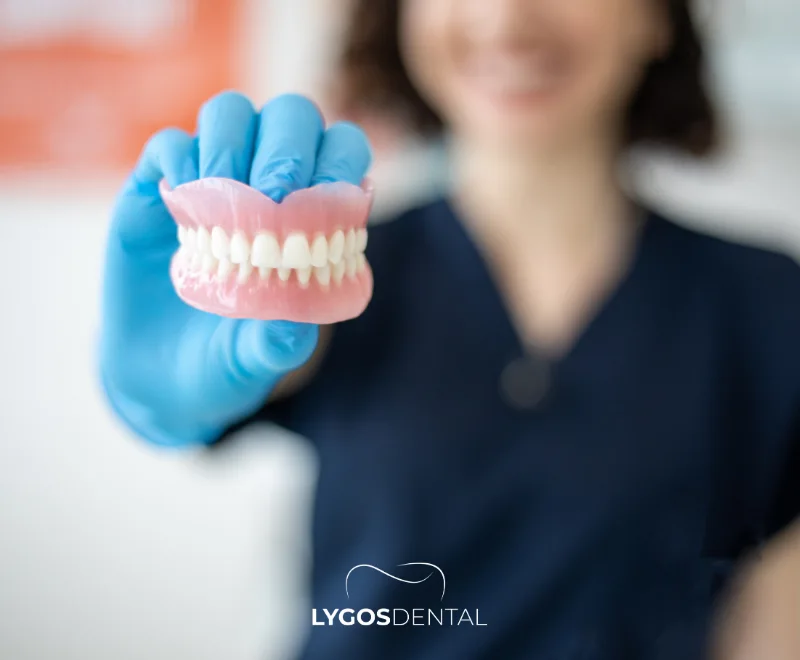
Dentures are removable dental appliances that replace missing teeth. Full dentures replace all teeth in the upper or lower jaw, while partial dentures fill gaps and clip to remaining natural teeth. Some dentures are supported by implants, which can improve stability but may require extra attention around attachments.
Poor denture hygiene can lead to bad breath, gum irritation, and infections such as denture-related stomatitis (often linked to yeast). It can also cause staining, unpleasant taste, and faster wear of the denture material. Regular cleaning and correct storage help maintain fit and reduce the risk of sores.
Aim to clean dentures at least morning and night, and rinse after meals to remove loose food. Night-time cleaning is especially useful because plaque and bacteria can build up during the day. If you use denture adhesive, clean off leftover adhesive daily so it doesn’t harden and trap bacteria.
Remove them carefully. Take dentures out gently. Clean them over a folded towel or a sink partly filled with water to protect them if they slip.
Rinse first. Rinse under running water to remove food particles. Use cool to lukewarm water—very hot water can warp some materials.
Brush all surfaces. Use a soft denture brush and a non‑abrasive denture cleanser (or mild soap if recommended). Brush the teeth surfaces, the gum-coloured base, and the grooves that sit against your gums.
Rinse thoroughly. Rinse well before putting dentures back in your mouth. Never use denture cleansers while dentures are in the mouth.
Soak when needed. Soak dentures in water or a denture-soaking solution as directed by the product and your dentist. Many dentures need to stay moist to keep their shape.
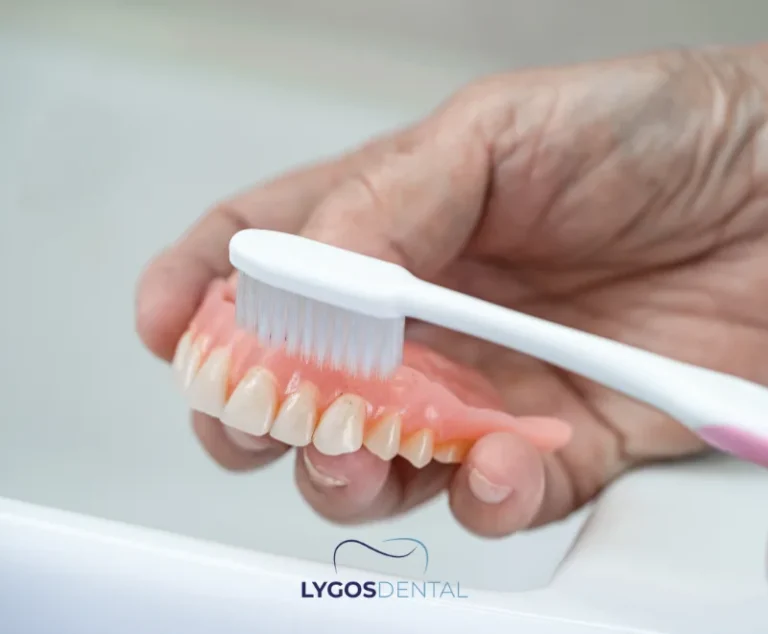
Choose products designed for denture materials, and follow the manufacturer’s instructions for soaking time and use.
Most people should remove dentures at night to give the gums time to rest, unless their dentist recommends otherwise. After cleaning, store dentures in water or the recommended soaking solution so they don’t dry out. If your dentures have metal parts, ask your dentist which solutions are safe to avoid tarnishing.

Even with full dentures, your mouth still needs daily care. Gently brush your gums, tongue, and the roof of your mouth with a soft toothbrush to remove plaque and stimulate circulation. If you have natural teeth, clean them with fluoride toothpaste and floss daily.
Book a dental visit if dentures feel loose, rub, or cause sores, or if you notice persistent bad breath despite cleaning. Also seek advice if you develop red, inflamed tissue under the denture or a burning sensation—these can be signs of infection or an allergy. Regular reviews help ensure fit, comfort, and safe cleaning habits.
Yes. Daily brushing and rinsing reduces plaque, odour, and infection risk. Combine mechanical brushing with soaking as directed for the best results.
Usually no. Many toothpastes are abrasive and can scratch denture surfaces. Use a denture-specific cleanser or a mild soap recommended by your dental professional.
Many dentists advise removing dentures overnight to reduce irritation and infection risk. Follow your dentist’s guidance if you’ve been told to wear them for a specific reason.
With good care, many dentures last about 5 to 10 years, but they may need relining, adjustments, or replacement as your mouth changes over time.

A beautiful smile can boost confidence, but dental gaps, also known as diastema, may sometimes be…
Therefore, understanding how to remove tartar is essential. So, how does tartar form, and how to…
 Blog
Blog
An electric toothbrush is an efficient tool for maintaining excellent oral hygiene. With its advanced technology…