
Aug 11, 2025
How to Prevent Gum Recession in Smokers
So, how can gum recession in smokers be prevented? In this article, we will examine in…
Choose a dental clinic by checking the dentist’s credentials, the clinic’s sterilization standards, and the range of treatments offered. Confirm pricing is transparent, modern diagnostic tools are available, and the location is practical for follow‑up visits. A short visit or consultation helps you assess cleanliness, communication, and whether the team can handle your needs in one place.
Oral health affects comfort, confidence, and long‑term wellbeing—so picking the right clinic matters. While cleanliness and location are part of the decision, they’re rarely enough on their own.
Use the checks below to compare clinics in a practical, patient-first way and avoid surprises once treatment starts.
Dentistry includes several sub‑specialties, and the right expertise can change both the outcome and the experience. Look for a clinic that can provide the services you may need—such as orthodontics, periodontics (gum care), pediatric dentistry, endodontics (root canals), oral surgery, and cosmetic dentistry—without constantly referring you elsewhere.
When a clinic has multiple dentists with clear focus areas, complex cases can be planned together. That team approach often means faster diagnosis, smoother treatment planning, and better continuity of care.

Because dental care involves close contact and instruments used in the mouth, infection control should be visible and consistent. A trustworthy clinic will be open about how instruments are cleaned, packaged, and sterilized between patients.
Pay attention to practical signals: single‑use items where appropriate, sealed sterilization pouches, staff wearing gloves and masks, and a tidy clinical area. Clean restrooms, an organized waiting area, and a well‑maintained reception space usually reflect the same standards in treatment rooms.
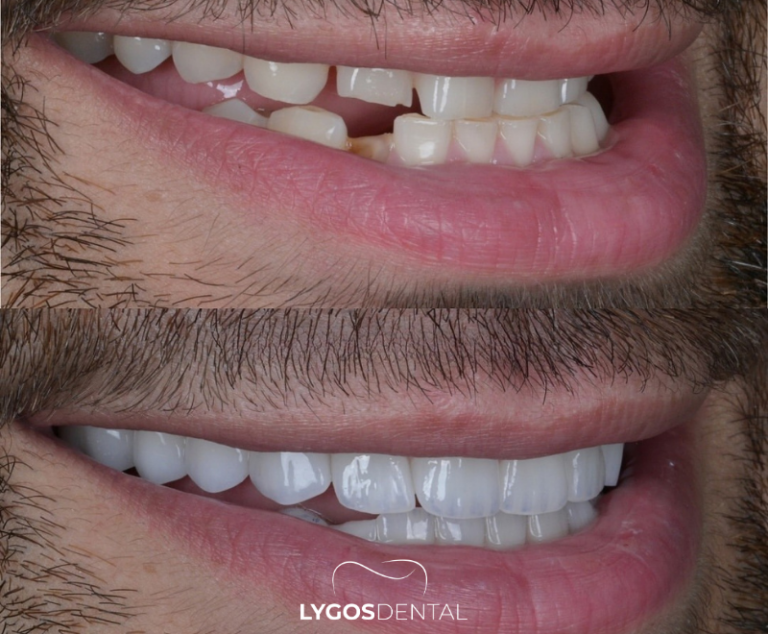
A good way to gauge a clinic’s scope is to review the treatments it provides and how it handles referrals. Some clinics focus on routine care, while others also offer implants, orthodontics, pediatric care, laser dentistry, and smile-design services.
If you expect longer-term treatment (for example, orthodontics or implant planning), ask whether everything can be done in-house. When referrals are needed, the clinic should explain why, share options, and coordinate your records so you’re not starting from scratch elsewhere.
Many dental treatments require more than one appointment. A clinic that is easy to reach can make follow‑ups far less stressful—especially when you have a tight schedule or you’re dealing with discomfort.
Check public transport access, parking options, and how quickly you could get there in an urgent situation. Also consider appointment availability, evening or weekend hours, and how the clinic handles unexpected problems after a procedure.
Price matters, but the lowest quote isn’t always the best value. Fees can reflect the dentist’s experience, materials used, the lab work involved, and the technology required for accurate planning.
Look for clear, written estimates before treatment begins and ask what is included. A reputable clinic explains potential add‑on costs, warranty terms (where relevant), and payment options such as insurance coverage or installments.
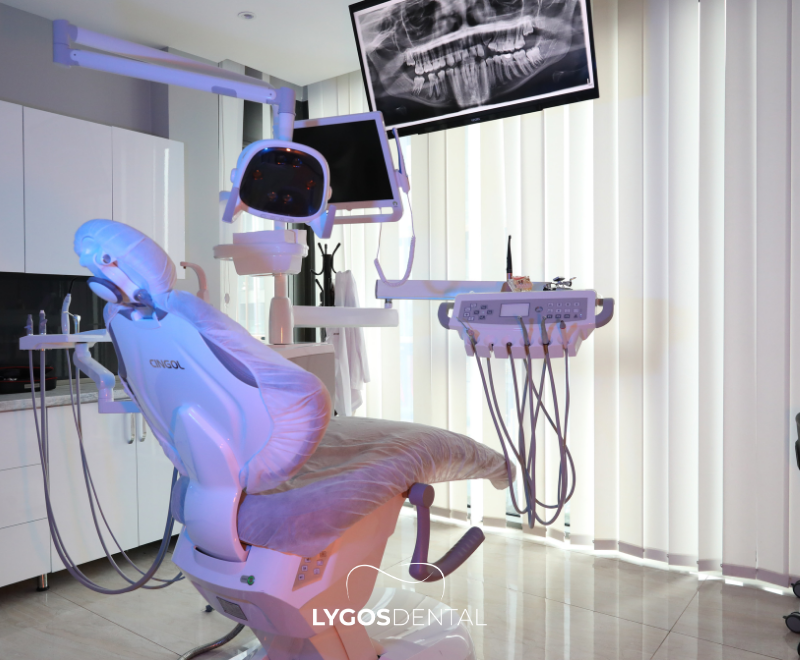
Modern equipment can improve comfort and accuracy. Digital X‑rays, panoramic imaging, 3D scans, and digital impressions can speed up diagnostics and reduce guesswork in treatment planning.
Technology alone isn’t the goal—the goal is safer, more predictable care. Ask how imaging is used in your case, whether the clinic follows up-to-date protocols, and what brands or material standards are used for restorations like crowns or implants.
If you’re considering cosmetic dentistry, dental crowns, dental implants, or general dentistry, reach out to the clinic to ask about suitability, timelines, and fees. A short consultation is often the quickest way to confirm whether the team and facilities match your expectations.
Start with the dentist’s qualifications and experience in the treatment you need. Strong infection control, clear communication, and reliable diagnostics should support that expertise.
Visit the clinic if you can. Look for clean, organized treatment areas, properly packaged instruments, and staff using protective equipment. A clinic should be comfortable explaining its sterilization process.
Technology can make diagnosis more accurate and treatment more comfortable. Digital imaging and modern impression systems can improve planning for procedures such as orthodontics, crowns, and implants.
Not always. High fees don’t guarantee quality, and very low fees can lead to compromises or extra costs later. What matters is transparent pricing that matches the materials, skill, and scope of care provided.
Many clinics can manage routine care and advanced treatments under one roof, especially when they have multiple specialists. If something must be referred out, you should expect clear explanations and good coordination.

So, how can gum recession in smokers be prevented? In this article, we will examine in…
 Blog
Blog
Are Dental Implants or Dentures Better? Dental implants are usually the better long-term choice if you…
Therefore, understanding how to remove tartar is essential. So, how does tartar form, and how to…