
Dec 6, 2024
Dental Work in Turkey | LYGOS DENTAL
Dental Work In Turkey Dental work in Turkey is popular with international patients looking for modern…
Choosing the right dentist for a root canal comes down to clinical experience, modern imaging and cleaning tools, and clear communication about your options. Ask how many similar cases they treat, whether they use digital X‑rays and precise canal measurement, and when they refer to an endodontist. A calm, comfort-focused approach matters as much as technique.
For many people, the idea of a root canal feels stressful long before they sit in the dental chair. Much of that fear comes from old stories and outdated experiences.
Today, root canal treatment is usually controlled and far more comfortable than expected. The biggest factor that shapes the outcome is the dentist you choose.
At Lygos Dental, patients often ask how to tell whether they’re in the right hands. The answer isn’t just about titles—it’s about experience, planning, and how clearly the dentist guides you through the process.
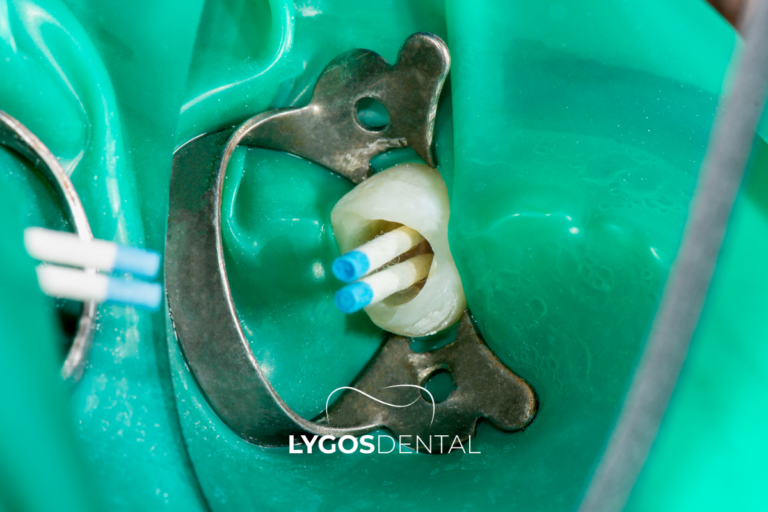
A root canal is recommended when the inner part of a tooth becomes infected or inflamed. This space contains nerves and blood vessels, which is why pain can become intense if the problem is left untreated.
During treatment, the dentist removes the infected tissue, cleans the canals inside the tooth, and seals them to prevent bacteria from returning. When the canals are fully cleaned and sealed, the infection-related pain typically settles and the natural tooth can be preserved.
Precision matters. Missing even a small area can raise the risk of lingering symptoms or reinfection.
Root canals aren’t one-size-fits-all. Some teeth have one straight canal, while others have multiple canals that curve, branch, or narrow.
A dentist with strong root canal experience is more likely to locate every canal, manage unexpected anatomy, and reduce the chance of reinfection. Experience often matters more than speed or price.
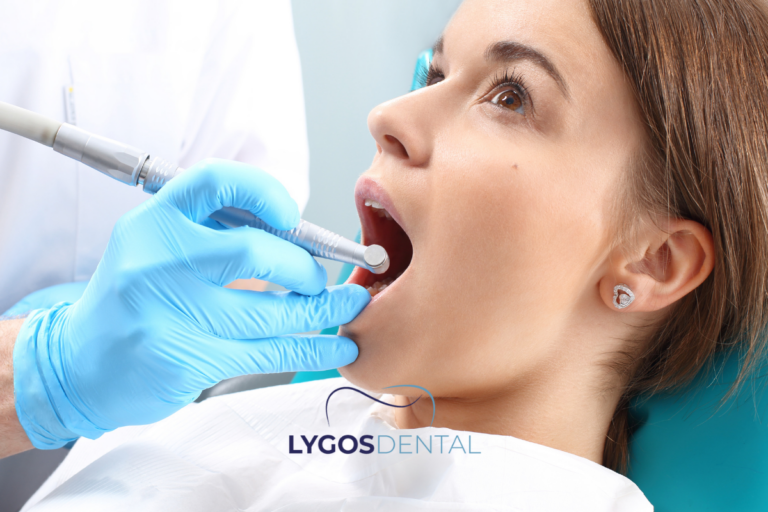
Many general dentists perform root canal treatment regularly and achieve excellent results—especially for straightforward cases. In more complex situations, an endodontist (a root canal specialist) may be the safer choice.
A referral is commonly recommended when the tooth is a molar with multiple canals, the roots are unusually curved, a previous root canal has failed, or there’s a significant infection at the root tip.
This isn’t about passing responsibility. It’s about choosing the level of expertise that best protects the tooth.
Modern root canal treatment relies on accurate diagnosis and controlled cleaning. A well-equipped clinic should use clear imaging and precise measurement so the canals can be treated to the correct depth.
Helpful tools may include digital X‑rays, electronic measuring devices for canal length, and modern irrigation/cleaning systems. Better tools don’t replace skill, but they support consistency and can make the appointment more comfortable.
A good dentist doesn’t rush the explanation. Before treatment, you should understand why the root canal is needed, how many visits are expected, what you’ll feel during and after the appointment, and what restoration (often a filling or crown) is planned afterward.
If you feel pressured or leave the consultation confused, pause and ask questions. Comfort starts with clarity.
One of the biggest fears around root canals is pain. With modern anesthesia, most patients are comfortable during treatment.
What matters is how carefully numbness is achieved and how closely the dentist checks in during the procedure. You shouldn’t be expected to “tolerate” pain—tell your dentist right away if you feel anything sharp or uncomfortable.
If you’d like to discuss root canal treatment, contact our team to review your symptoms, imaging, and treatment options. We can also advise whether your case is best treated by a general dentist or an endodontist.
An endodontist is best for root canal treatment.
Brush twice daily for two minutes, and see your dentist twice yearly.
It’s the Pareto principle: 80% results come from 20% causes or patients.
It’s an informal pain mnemonic: ibuprofen three times daily for three days, if safe.
Yes, if experienced; complex cases are better handled by an endodontist.
Varies by country; typically $700–$1,700 per tooth without insurance, plus crown.
