
Nov 19, 2025
Aesthetic Advantages of Zirconium Crowns | LYGOS DENTAL
So, how does tooth loss affect speech? In this article, we will examine in detail the…
Clean lingual braces by brushing carefully around the brackets after meals, using a soft orthodontic toothbrush and a small interdental brush for tight spots. Floss daily with super floss or a floss threader, finish with a fluoride rinse, and keep regular orthodontic and hygiene visits to prevent plaque build-up behind the teeth.
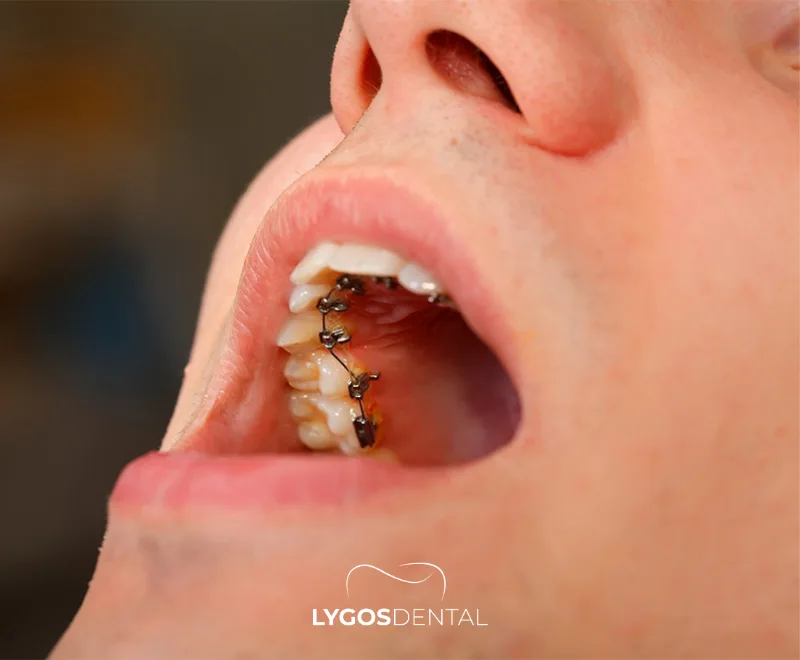
Lingual braces use brackets and wires attached to the back (tongue-side) surface of the teeth. Because they sit behind your smile, they’re a popular option for people who want a discreet orthodontic treatment.
The trade-off is access. Food and plaque can collect around the hardware in areas that are harder to see and reach, so cleaning needs a more precise routine than front-facing braces.
When plaque stays trapped around lingual brackets, it can irritate the gums and increase the risk of decay. Since these areas are out of sight, build-up can go unnoticed until you feel sensitivity, swelling, or persistent bad breath.
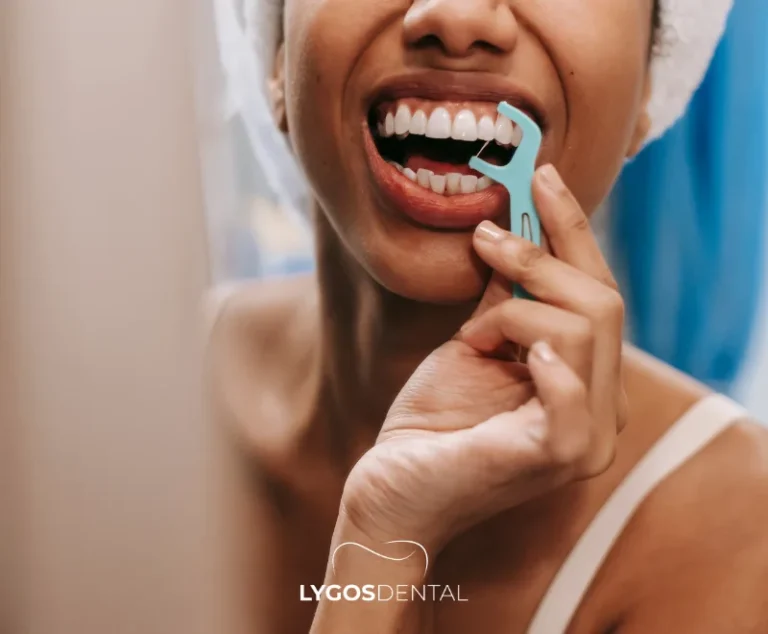
Aim to clean after main meals and before bed. If you can’t brush straight away, rinse with water and brush as soon as you can.
Use a soft-bristled orthodontic toothbrush or a small-headed brush that can reach behind the teeth. Angle the bristles toward the gumline and the brackets, then use short, controlled strokes. Spend extra time on the back surfaces where the brackets sit.
Interdental brushes help remove food particles and plaque between brackets and around the wire where a standard brush struggles. Choose a size that slides in gently without forcing it.
Flossing is still essential with lingual braces. Super floss (with a stiff end) or a floss threader helps you guide floss under the wire. Work gently between teeth, hugging each tooth in a “C” shape to clean along the sides.
Fluoride toothpaste is your main protection against enamel weakening around brackets. A fluoride mouth rinse can help reach areas you miss, but it should support brushing and flossing—not replace them.
A water flosser can be a helpful add-on for flushing out debris, especially after meals. It’s most effective when used alongside brushing and regular flossing.
Some foods cling to the back of the teeth and the brackets, making plaque control harder. If you do have these foods, rinse with water right after eating and clean as soon as possible.
Consistency matters more than force. Gentle, thorough cleaning done every day protects your gums and helps treatment stay on track.

Home care can’t remove hardened tartar, and lingual braces create extra places for build-up. Regular orthodontic appointments allow your provider to check hygiene, monitor gum health, and make adjustments safely.
Many orthodontic plans include reviews every few weeks, and professional cleanings with a dental hygienist are often recommended during treatment. Your dentist or orthodontist can suggest the right interval for you based on your plaque levels and gum response.
Get advice sooner rather than later if you notice any of the following:
If you want personalised cleaning tips or a professional hygiene visit during lingual brace treatment, contact our clinic to schedule an appointment. We can also help with cosmetic dentistry, crowns, implants, and general dental care.
Brush after meals with an orthodontic brush, use interdental brushes, and floss-threaders daily.
The final stage is finishing and detailing, followed by debonding and retention.
Plaque trapped around brackets causes white-spot lesions or staining after removal.
Avoid hard, sticky, and chewy foods like nuts, caramel, gum, and crusty bread.
Clean braces after every meal and snack, plus before bedtime.
