
May 3, 2025
How Does Wearing Braces Affect Social Life?
In this article, we will provide a detailed and multi-faceted answer to the question: How does…
Clean teeth by brushing twice daily for two minutes with a soft brush, cleaning between teeth with floss or interdental brushes, and removing bacteria from the tongue. Use fluoride toothpaste, limit frequent sugary snacks, and see a dentist for regular professional cleanings to remove tartar you can’t brush away.
Teeth cleaning protects more than your smile. Daily plaque control lowers the risk of cavities, gum inflammation, and persistent bad breath. Healthy gums also matter for general health, since untreated gum disease can contribute to wider health problems.
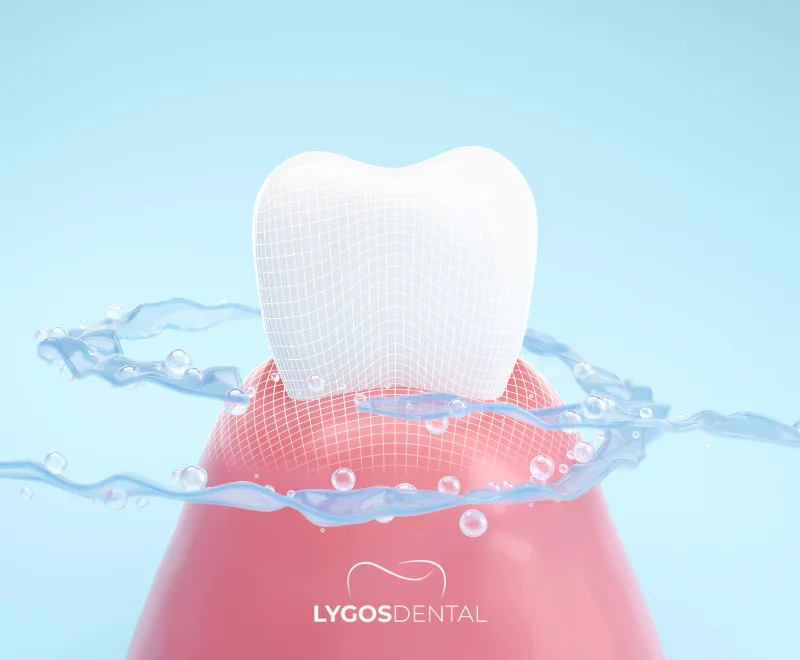
A consistent routine beats intense, occasional cleaning. Focus on technique, timing, and the areas people miss most.
Brush in the morning and before bed for about two minutes each time. Angle the bristles toward the gumline and use small, gentle circles. Cover the outer, inner, and chewing surfaces of every tooth. Heavy pressure can irritate gums and wear enamel over time.
A toothbrush can’t reach tight contacts between teeth. Floss or interdental brushes remove plaque where cavities and gum problems often start. If your gums bleed at first, keep going gently; bleeding usually improves as the area becomes healthier. If bleeding persists, book a dental check.
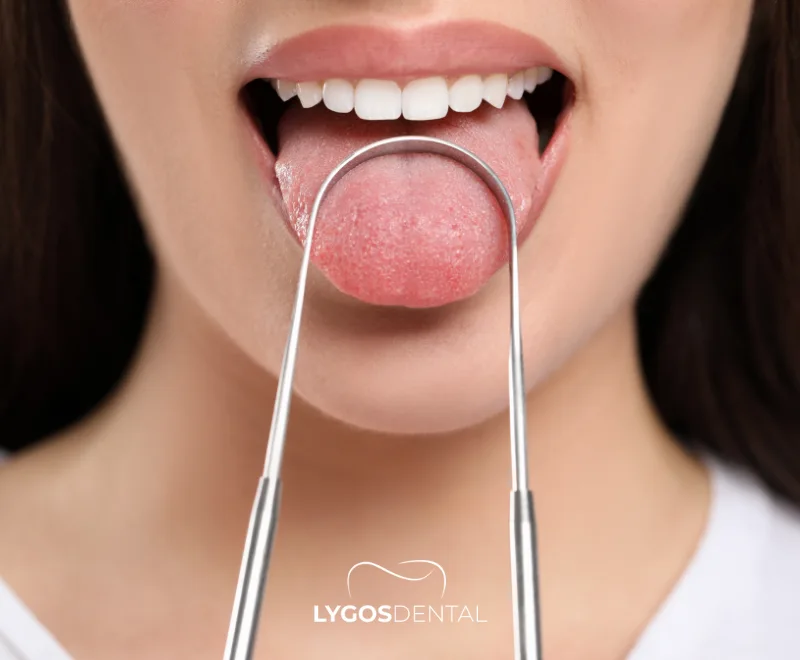
A coated tongue holds bacteria that can cause bad breath and affect taste. Use a tongue scraper or brush the tongue lightly from back to front. Do this once a day, especially before bed.
Mouthwash can help with breath and bacterial control, but it doesn’t replace brushing and flossing. Choose an alcohol-free option if you get dryness or sensitivity. If you use a fluoride mouthwash, try it at a different time from brushing so you don’t wash away toothpaste fluoride.
What you snack on—and how often—matters. Sugary or acidic foods feed plaque bacteria and soften enamel. Water is your best everyday drink for the mouth, and crunchy fruits and vegetables can help gently clean tooth surfaces between meals.
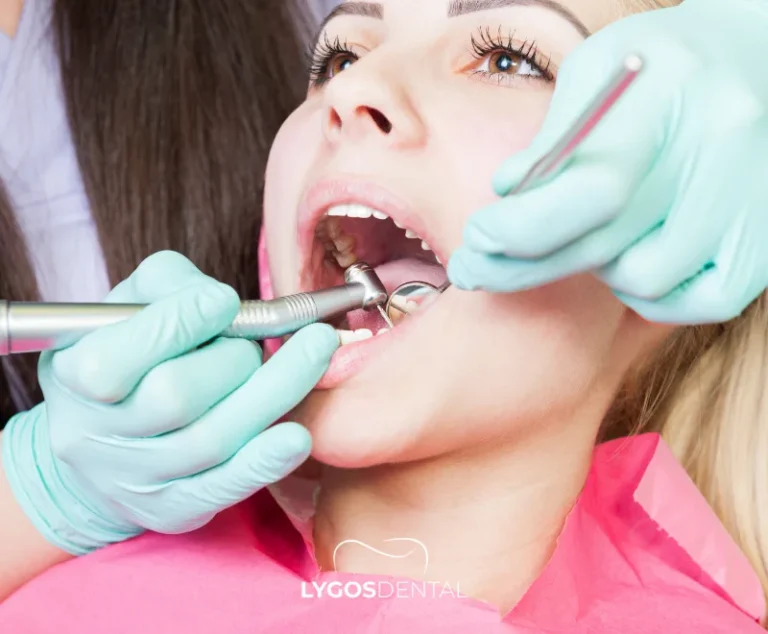
Even with a solid routine, tartar can build up in places you can’t reach. Professional cleaning removes hardened deposits and gives your dentist a chance to spot early gum or tooth problems.
Early habits make a big difference. Start cleaning as soon as the first tooth appears, and build routines that fit your child’s age and coordination.
0–12 months: Wipe gums and new teeth gently with a clean, damp gauze or soft cloth after feeds.
1–3 years: Use a small, soft brush. A smear of fluoride toothpaste is usually enough.
4–6 years: Use a pea-sized amount of toothpaste. Supervise brushing and help with hard-to-reach areas.
7+ years: Keep supervision as needed and introduce daily flossing when teeth touch.
Limit frequent sugary snacks and drinks, and keep routine dental visits so kids learn that checkups are normal.
The “best” product is the one you can use correctly every day. Choose tools that match your mouth, your dexterity, and any dental work you have.
Toothbrush: Soft bristles are safest for most people. Electric brushes can make timing and coverage easier.
Toothpaste: Fluoride toothpaste helps strengthen enamel and reduce cavity risk. For sensitivity, look for desensitizing formulas.
Interdental cleaning: Floss for tight spaces; interdental brushes for wider gaps; water flossers can be useful for braces and implants.
Mouthwash: Antibacterial or fluoride mouthwash can help, depending on your needs. Alcohol-free options suit dry mouths.
Tongue cleaner: A scraper is simple and effective for reducing tongue coating and odor.
Book a visit if you notice bleeding that doesn’t improve, persistent bad breath, tooth sensitivity, pain when chewing, or loose teeth. These can be early signs of decay, gum disease, or bite problems that need treatment. Professional advice also helps if you have crowns, implants, orthodontics, or a history of gum issues.
Brush twice daily 2 minutes with fluoride toothpaste, soft brush, and floss daily.
Brush and floss; schedule a dental cleaning to remove plaque and tartar safely.
Professional cleaning and whitening work best; brush with fluoride and limit staining foods.
Fluoride toothpaste and saliva naturally clean teeth; chew sugar-free gum after meals.
Plain water helps rinse teeth; unsweetened tea offers mild stain-fighting polyphenols.
Brush twice daily, floss nightly, use fluoride toothpaste, and rinse after sugary foods.
