Forgot your toothbrush—start by rinsing with water to loosen food debris, then gently wipe teeth and gumline with a clean finger wrapped in tissue or cloth. Sugar-free gum boosts saliva, and saltwater or mouthwash can cut bacteria and odor. Crunchy produce may help remove bits. Brush with fluoride toothpaste as soon as you can.
Most people have been caught without a toothbrush at least once—during travel, an overnight stay, or a busy day that ran longer than planned. Missing one brushing session isn’t a disaster, but letting plaque and food debris sit for too long can quickly lead to bad breath and irritated gums.
A toothbrush and fluoride toothpaste are still the best tools for daily oral care. Until you can replace them, the methods below can help you stay comfortable and keep your mouth cleaner in the short term.
Can You Clean Your Teeth Without A Brush?
Yes—well enough to get by for a short period. The goal isn’t a perfect deep clean. It’s to remove obvious debris, lower acidity after eating, and reduce the bacterial film that contributes to odor and gum inflammation.
Quick Ways To Clean Your Teeth Without A Toothbrush
1. Rinse With Water
If nothing else is available, a thorough rinse is your best starting point. Swish plain water around your mouth for 20–30 seconds, spit, and repeat once or twice.
Dislodges food particles
Dilutes acids after meals
Helps keep gums calmer
Reduces the “dry mouth” feeling that makes breath worse
2. Use A Clean Finger As A Mini Brush
It’s not elegant, but it can work surprisingly well—especially along the gumline—if your hands are clean.
Wash your hands with soap and water.
Wrap your index finger with tissue, a clean cloth, or a handkerchief.
If you have toothpaste, use a pea-sized amount (or less).
Rub teeth gently in small circles, focusing on the gumline and chewing surfaces.
Rinse with water.
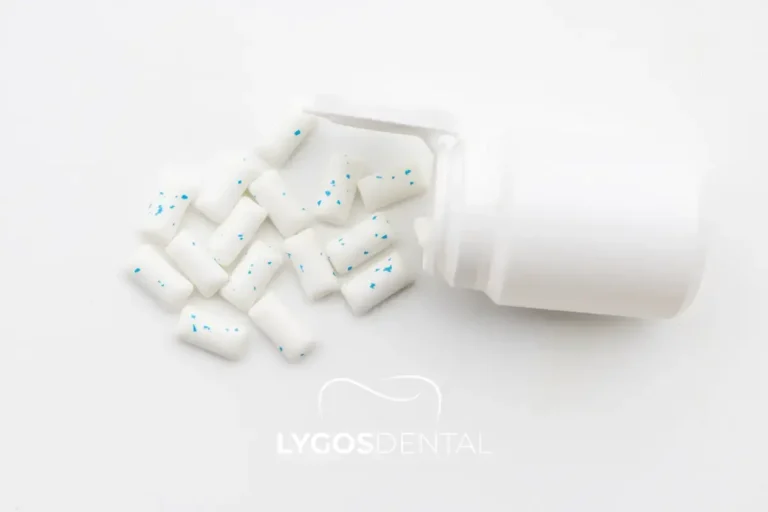
3. Chew Sugar Free Gum
Table of Contents
Sugar-free gum can help when you’re away from a sink. Chewing increases saliva, which is your mouth’s natural way of washing away debris.
Helps rinse away leftover food
Neutralizes acids
Freshens breath
Supports a moist mouth environment
If you have a choice, gum sweetened with xylitol is a popular option because it isn’t fermentable like sugar.
4. Eat Crunchy Fruits And Vegetables
You may have heard apples called “nature’s toothbrush.” That’s an overstatement, but crisp produce can lightly scrub tooth surfaces and help remove stuck-on bits of food.
Apples
Carrots
Celery
Cucumber
This doesn’t replace brushing, and it won’t remove plaque from between teeth, but it can make your mouth feel noticeably fresher.
5. Rinse With Mouthwash Or Saltwater
If you have mouthwash available, follow the label instructions and avoid swallowing it. If you don’t, saltwater is a simple alternative.
To make a salt rinse, dissolve a small pinch of salt in a glass of warm water, swish for 20–30 seconds, and spit. Many people find it
soothing for tender gums.
6. Wipe With A Clean Cloth
Before modern toothbrushes, cleaning with cloth was common. It’s still a practical emergency option.
Wrap a clean cloth or paper towel around your finger.
Dampen it with water (a tiny amount of toothpaste is fine if you have it).
Gently wipe the front, back, and chewing surfaces of each tooth.
Rinse afterward.
How People Cleaned Their Teeth Before Modern Toothbrushes
Humans have tried to keep teeth clean for thousands of years. Different cultures used simple tools and natural materials to scrape or wipe away debris.
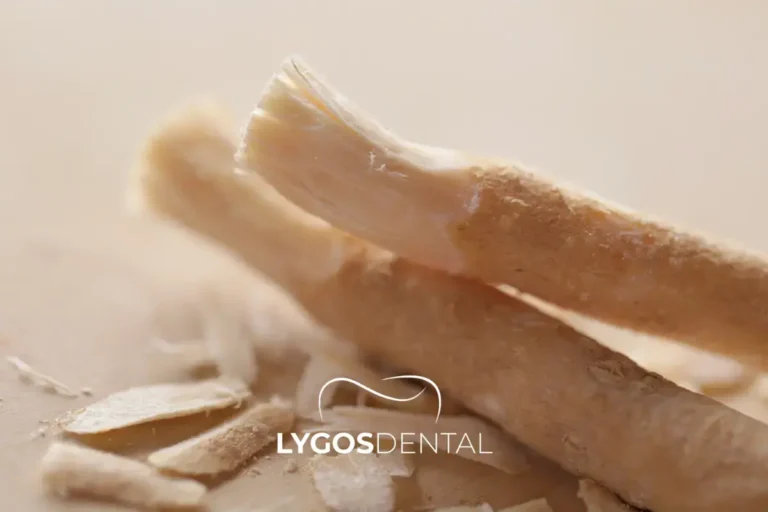
Miswak or other chewing sticks
Cloth strips
Toothpicks made from plant twigs
Herbal powders and pastes
Salt and ash mixtures
Some traditional tools, like miswak, are still used today. If you try natural powders, avoid anything overly abrasive that could wear enamel over time.
Why You Still Need A Real Toothbrush
These methods can help you get through a day or two, but they’re not a long-term substitute. Plaque can harden into tartar within roughly 48–72 hours, and tartar usually needs professional removal.
Brushing twice daily with fluoride toothpaste remains the most reliable routine because it removes plaque, strengthens enamel, and lowers the risk of cavities and gum disease.
When To Get Dental Advice
If you’re without a toothbrush for more than a couple of days, try to replace it as soon as possible. See a dentist sooner if you have persistent gum bleeding, swelling, severe bad breath that doesn’t improve, or tooth pain.
Frequently Asked Questions
How to clean teeth at home without a toothbrush?
Floss well, rinse with fluoridated mouthwash, and wipe teeth with clean gauze or cloth.
Can you clean teeth without brushing?
Yes, partially; floss and fluoride rinses help, but brushing removes plaque best.
What cleans teeth naturally?
Saliva and crunchy vegetables help, but fluoride and mechanical cleaning protect teeth best.
Should I brush my tongue?
Yes; gently brush or scrape to reduce bacteria and bad breath without injury.
Can I use my finger to brush?
Yes, in emergencies; use clean finger with fluoride toothpaste, but it’s less effective.


 These methods can help you get through a day or two, but they’re not a long-term substitute. Plaque can harden into
  Blog
Blog