
Nov 20, 2025
How Does Pacifier Use Affect Dental Development? | LYGOS DENTAL
So, how does tooth loss affect speech? In this article, we will examine in detail the…
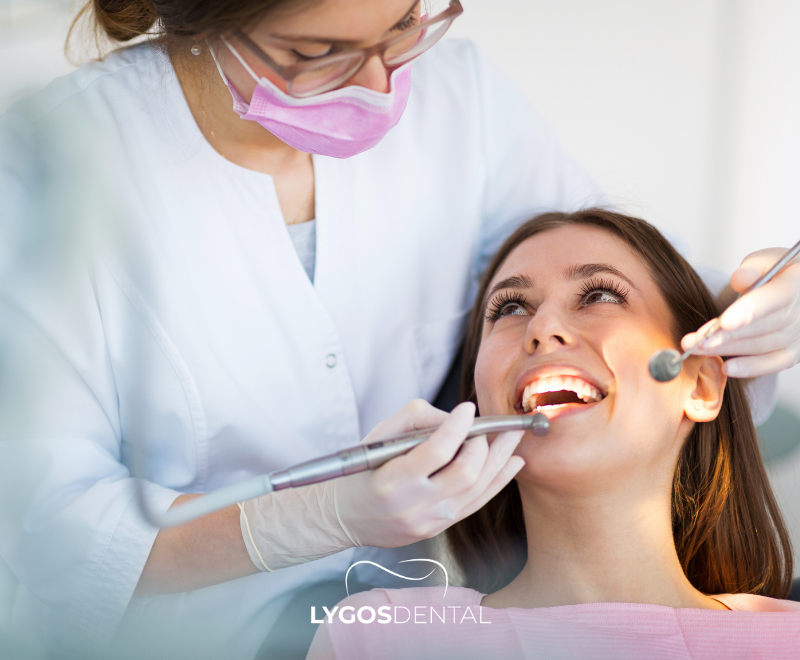
Dentist phobia (dental anxiety) is an intense fear of dental visits that can cause symptoms like a racing heart, nausea, or panic. The most effective approach is a mix of preparation, clear communication with a supportive dentist, calming techniques, and—when needed—professional help such as CBT or sedation dentistry.
Dentist phobia goes beyond ordinary nerves. It’s a strong, persistent fear that can make you delay or avoid treatment, even when you know your teeth need care.
People often notice physical symptoms—sweating, a fast heartbeat, shaky hands, dizziness, or stomach upset—either in the waiting room or even while thinking about an appointment.
Dental anxiety usually has a clear trigger. Common causes include:
Look for a dentist who regularly treats anxious patients and is willing to slow down, explain options, and agree on a comfort plan. If you can, call ahead and briefly say you have dental anxiety so the team can schedule extra time.
If you’ve been avoiding care, begin with a consultation or a simple exam rather than jumping straight into treatment. A few low-pressure visits can rebuild trust and reduce the “unknown” factor.
Bring headphones, a playlist, or a podcast. If mornings increase your stress, book a later slot. Eat a light meal beforehand (unless you’re told to fast for sedation) and arrive early so you’re not rushing.
Ask for a clear signal—often raising a hand—so you can pause the procedure at any time. Knowing you can stop instantly helps many people feel back in control.
Some patients prefer a step-by-step explanation; others feel better with minimal details. Tell your dentist what helps you, and don’t hesitate to ask for short breaks.
If fear of pain is your main trigger, ask about local anesthetic, topical numbing gel, and techniques that reduce injection discomfort. For more severe anxiety, some clinics offer nitrous oxide (laughing gas), oral sedation, or IV sedation, depending on your needs and medical history.
These options can make the appointment feel more manageable, especially when you practice them before you’re in the chair:
Some people find gentle supports—like chamomile tea or lavender scent—helpful for settling nerves. If you use herbal products or supplements, check with a clinician first, especially if you take medication, are pregnant, or are having sedation. Natural doesn’t always mean risk-free.
If your anxiety is intense or causes you to avoid care for months or years, structured treatment can make a major difference.
CBT helps you identify fear patterns and replace them with practical coping strategies. Many people notice improvement within a focused course of sessions.
Exposure therapy reduces fear by building tolerance in small steps—starting with a clinic visit, then a simple cleaning, and progressing only when you feel ready.
Sedation can be appropriate for certain procedures or severe anxiety. Your dentist (and sometimes your physician) will review your health history and explain benefits, risks, and recovery time.
Some clinics use VR as a calming distraction during treatment. Availability varies, but it can be a helpful add-on for patients who respond well to immersive relaxation.
Try to keep appointments regular once you’ve found a supportive dentist. Each successful visit reduces fear and makes the next one easier.
After an appointment, note what worked (music, breaks, numbing, a calmer explanation style) and share it at your next visit so your care plan stays consistent.
Treat dental phobia with CBT, gradual exposure, and dentist-supported sedation options.
Use relaxation, short appointments, a stop signal, and a supportive companion.
About 3% have severe dental phobia; dental anxiety affects about 15% of adults.
Past painful experiences, loss of control, and generalized anxiety can maintain dental fear.
Dentists use clear communication, tell-show-do, breaks, topical anesthesia, and sedation when needed.

So, how does tooth loss affect speech? In this article, we will examine in detail the…
 Blog
Blog
Michael B. Jordan, a name synonymous with talent, charisma, and undeniable charm, has not only captured…
So, how does tooth loss affect speech? In this article, we will examine in detail the…