
Dec 20, 2025
How to Choose the Right Dentist for Root Canal Treatment
So, how does tooth loss affect speech? In this article, we will examine in detail the…
Crooked teeth are usually corrected with orthodontic treatment such as braces or clear aligners. An orthodontist checks crowding, bite, and jaw position, then creates a plan that gently moves teeth into alignment. Afterward, wearing a retainer as directed helps keep the result stable, along with good oral hygiene and regular check-ups.
Crooked teeth can affect confidence, but they can also make daily cleaning harder and put extra stress on the bite. The right fix depends on the cause, the amount of crowding or spacing, and whether the bite or jaw needs correction.
Teeth can become misaligned for several reasons, including genetics, crowding as adult teeth erupt, and jaw growth patterns. Childhood habits such as thumb sucking or prolonged pacifier use may push teeth out of position. Early or late loss of baby teeth, missing teeth, and mouth breathing related to airway issues can also contribute.

Yes. Misaligned teeth are not only a cosmetic concern; they can also affect oral health and comfort.
Addressing alignment early can reduce these risks and make long-term maintenance easier.
Orthodontic treatment moves teeth gradually into a healthier position. Your orthodontist may recommend one of the following options based on your bite, aesthetics, and lifestyle:
An orthodontic exam and X-rays help confirm which approach fits your needs.
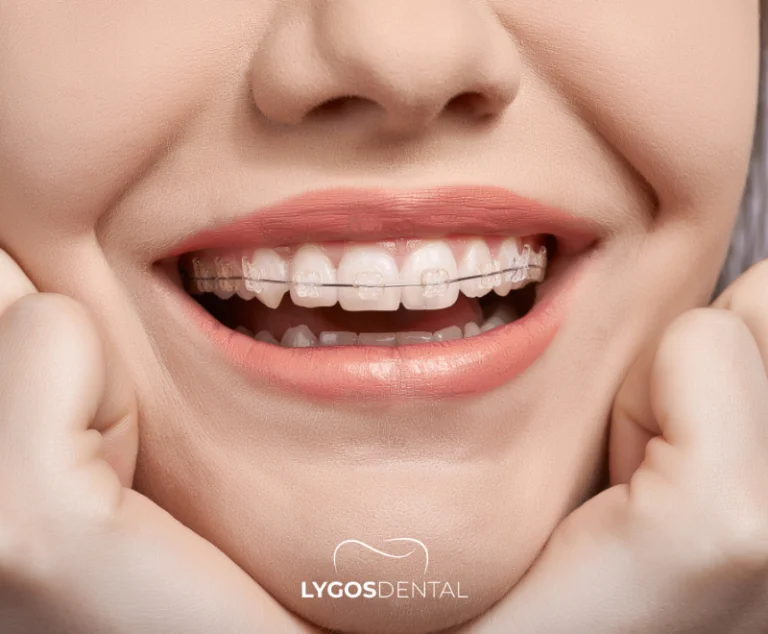
Clear aligners are a popular, comfortable alternative for many people because they are nearly invisible and removable. They can work well for mild to moderate crowding or spacing, as long as they are worn for the recommended hours each day. Some complex bite problems may still require braces or a combined approach, so suitability should be confirmed by an orthodontist.
Retention is what protects your result. Teeth naturally try to shift over time, especially in the first months after treatment. Following your provider’s retainer plan and keeping up with hygiene and check-ups makes relapse much less likely.
Key points to keep in mind:
Healthy gums and stable retention are the foundation of long-lasting straight teeth.

Treatment cost varies with the severity of misalignment, how long treatment is expected to take, and the method used. In many clinics, metal braces tend to be the lower-cost option, while clear aligners and less visible brace types may cost more.
Location, the orthodontist’s experience, and whether you need additional procedures can also affect pricing. For an accurate estimate, book a consultation so the provider can assess your bite and outline a full treatment plan.
Never, if your gums and bone are healthy enough for orthodontic treatment.
You can’t reliably fix crooked teeth naturally; braces or aligners are needed to move teeth.
Yes, orthodontics like braces or clear aligners can straighten most crooked teeth.
Yes, straightening can improve bite, cleaning, wear, and confidence for many people.
Sometimes, but many people focus more on health, hygiene, and confidence.
