How to Follow Up with Patients After Dental Tourism | LYGOS DENTAL
admin·November 7, 2025·14 min read
How to Follow Up with Patients After Dental Tourism
Dental tourism follow-up works best when you plan it before the patient travels, document every step, and keep structured check-ins after they return home. Use clear discharge instructions, a remote triage pathway for pain or swelling, and a long-term recall schedule (6 and 12 months) shared with the patient and their local dentist.
Table of Contents
What Dental Tourism Is And Why Patients Choose It
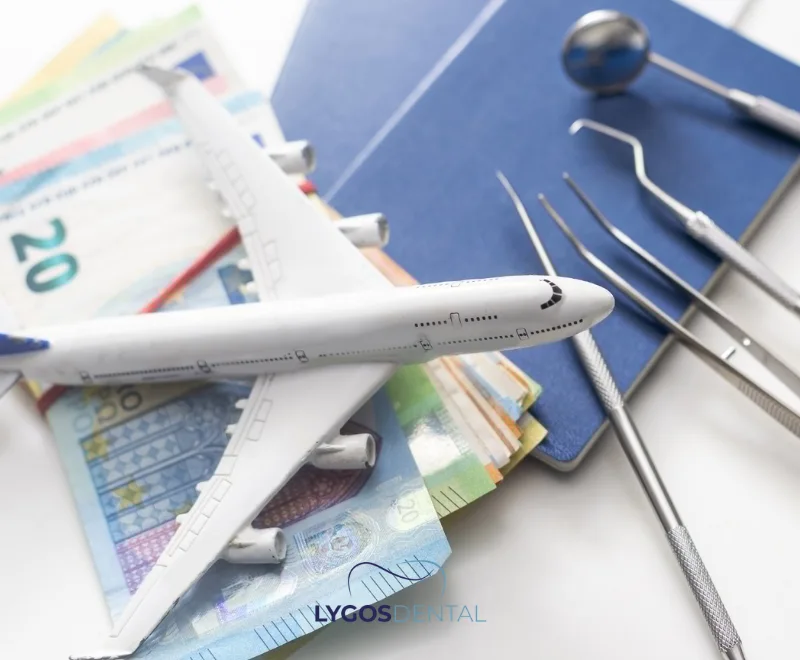
Dental tourism means travelling to another country for dental care, often combining treatment with a short trip. Patients usually choose it for lower costs, faster appointment availability, and access to cosmetic dentistry services.
Turkey, Hungary, Poland, and Thailand are popular destinations because many clinics offer modern equipment, experienced teams, and packaged treatment planning for international patients.
Why Post-Treatment Follow-Up Matters
A successful procedure is only part of the outcome. Implants, crowns, veneers, and complex restorative work need monitoring so small issues don’t become expensive failures.
Catch complications early (infection, swelling, bite problems, loose restorations).
Protect treatment longevity with timely adjustments and hygiene support.
Improve patient satisfaction through clear communication and fast responses.
Reduce disputes by documenting advice, symptoms, and actions taken.
A Practical Follow-Up System For International Patients
Clinics that treat dental tourism patients need a repeatable system. The steps below can be adapted to your workflow and treatment types.
Before Treatment: Set Expectations And Prepare Documentation
Start follow-up planning before the first procedure. Patients are calmer—and outcomes are better—when they know exactly what happens after they fly home.
Explain your follow-up policy in writing (what you cover, response times, emergency guidance, warranty terms).
Confirm the best communication channel for the patient (email, WhatsApp, phone, secure video call).
Collect baseline records: radiographs/CBCT where relevant, intraoral photos, shade notes, and bite records.
Prepare a take-home pack: prescriptions, aftercare instructions, material/implant system details, and invoices.
During Treatment: Discharge Planning And The First Check-In
Build follow-up into your discharge routine rather than treating it as an add-on.
Provide a clear written care plan (medications, diet, smoking guidance, cleaning instructions, red flags).
Schedule the first remote check-in within 24–72 hours after the final appointment.
If the patient is flying soon, discuss travel precautions (hydration, rest, and when to seek urgent care).
After The Patient Returns Home: Remote Triage And Local Dentist Coordination
Most follow-up happens once the patient is back in their home country. The goal is fast triage and smooth coordination, not replacing local care.
Ask the patient to send photos and a short symptom update (pain level, swelling, bleeding, bite changes).
Recommend an in-person review with a local dentist for persistent pain, fever, pus, or a loose restoration.
Share a concise treatment summary the patient can forward to their local dentist (materials, implant brand/size, torque values if available).
Plan a first local check-up around 1–2 weeks after treatment, especially after implants, extensive crown work, or surgeries.
Long-Term Monitoring: Recall Schedule And Maintenance
Long-term success relies on maintenance, especially for implants and full-arch restorations.
Set reminders for 6-month and annual reviews (clinic-side and patient-side).
Encourage professional cleanings and periodontal maintenance based on individual risk.
For implants, recommend periodic radiographic monitoring through the patient’s local dentist.
Keep remote check-ins simple: a short questionnaire plus photos when needed.
Common Post-Treatment Issues And How To Handle Them
Complications can happen even with good planning. A clear escalation pathway protects both patient safety and your clinic’s reputation.
Typical Issues
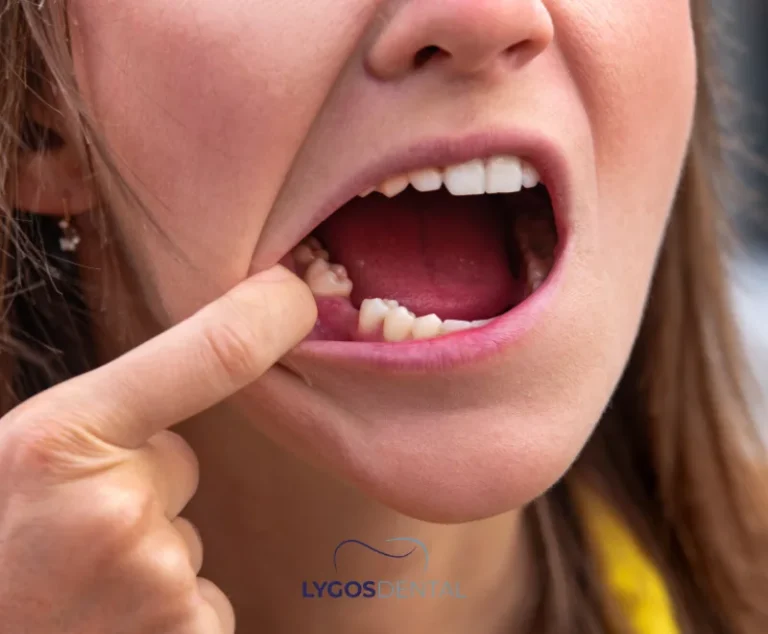
Pain, swelling, or infection signs around a surgical site or implant.
Loose, chipped, or ill-fitting crowns/bridges.
Sensitivity, gum recession, or bleeding.
Occlusion (bite) changes after full-mouth work or multiple crowns.
Practical Responses
Document the patient’s symptoms and timeline, then advise the next step in writing.
Use photo/video triage to decide whether it’s routine healing or needs urgent in-person care.
If urgent signs appear (fever, spreading swelling, difficulty swallowing/breathing), direct the patient to emergency services immediately.
When local care is required, provide the treating dentist with material and procedural details to speed up treatment.
Legal And Ethical Considerations For Cross-Border Follow-Up
International care adds complexity because regulations differ by country. You can still reduce risk by standardising transparency and documentation.
Use informed consent forms that the patient understands, covering treatment scope, limitations, and possible complications.
Provide written warranty terms and what is excluded (trauma, poor hygiene, missed maintenance visits).
Record material details (manufacturer, batch where available, implant system, crown type) and keep them accessible.
Maintain secure communication and protect patient data according to applicable privacy rules.
Tools And Workflows That Make Follow-Up Easier
A few operational choices make follow-up smoother and reduce missed messages.
A dedicated follow-up inbox or CRM pipeline (so messages don’t sit in personal accounts).
Templates for common scenarios: normal healing, mild swelling, bite discomfort, emergency warnings.
A single-page discharge summary the patient can share with any local dentist.
A tracking sheet for check-in dates and outcomes (24–72 hours, 1–2 weeks, 6 months, 12 months).
Get Information Now
If you’d like help planning treatment or follow-up support, contact our team to ask about cosmetic dentistry, dental crowns, dental implants, and general dentistry.
FAQ
Dental treatment abroad
Plan carefully: verify licensing, costs, materials, aftercare, and complication coverage.