
Jul 29, 2025
The Harms of Using a Hard Toothbrush
In particular, the harms of using a hard toothbrush have become one of the issues that…
To protect your oral microbiome, keep plaque under control without over-stripping your mouth’s natural balance. Brush twice daily, clean between teeth, limit frequent sugar, stay well hydrated, and avoid unnecessary antibiotics. Choose mouthwash carefully, support saliva, and see a dentist regularly—small daily choices help beneficial bacteria stay dominant.
Oral health is closely tied to overall health, yet many people only think about teeth and gums. Your mouth also hosts a complex ecosystem of bacteria, fungi, and viruses that work together every day.
When this ecosystem stays balanced, it supports fresher breath, healthier gums, and stronger resistance to common oral problems. This guide explains what the oral microbiome is, what disrupts it, and practical ways to support it.
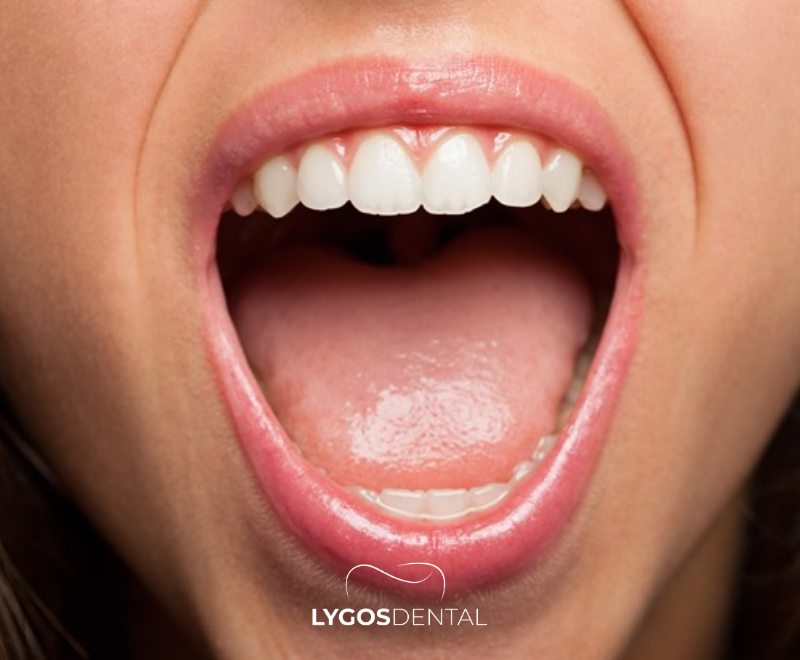
The oral microbiome is the community of microorganisms living on your teeth, tongue, gums, and saliva. It includes both helpful and potentially harmful species. A healthy microbiome is usually defined by balance: beneficial microbes are plentiful enough to keep problem-causing microbes in check.
A stable oral microbiome helps protect enamel and gum tissue by limiting acid production and inflammation. It also supports the earliest steps of digestion by helping break down food and by stimulating normal saliva flow.
Research also links poor gum health and oral dysbiosis with wider health concerns. These connections are still being studied, but keeping your mouth healthy is a sensible, low-risk step for whole-body health.
These signs can have many causes, so they’re not a diagnosis. If symptoms last more than a week or two, a dental check is worth it.
Brush twice a day for two minutes, using a soft-bristled brush and gentle pressure. Harsh scrubbing can irritate gums and wear enamel. A fluoride toothpaste is still the standard choice for cavity prevention.
Floss, interdental brushes, or a water flosser help remove plaque where a toothbrush can’t reach. This is one of the fastest ways to reduce gum inflammation and keep bacterial levels in check.
Mouthwash can be helpful, but strong antiseptic formulas aren’t always needed for daily use. If you’re using chlorhexidine or another medicated rinse, follow your dentist’s guidance and use it for the recommended duration.
Antibiotics can be essential for certain infections, but unnecessary use can disrupt oral and gut bacteria. Only take them when prescribed, and follow the full course exactly as directed.
If you want one high-impact change, start with sugar frequency. Reducing how often sugar hits your teeth usually matters more than reducing sugar “per day” in a single sitting.
Food choices shape the mouth’s environment by changing acidity, saliva flow, and the fuel available to bacteria. Your goal is to support saliva and limit long stretches of low pH, which favors cavity-causing microbes.

“Natural” doesn’t always mean better, and it shouldn’t replace professional dental care. Still, a few low-risk options have some evidence behind them when used thoughtfully.
Some clinical research suggests coconut oil pulling may reduce plaque and gingivitis markers, though overall evidence quality is mixed. If you try it, swish gently for 5–10 minutes, then spit it into the trash (not the sink) and brush as usual. Stop if it irritates your jaw or gums.
Aloe vera mouthwash has shown plaque and gingivitis improvements in some studies, and it may be an option for people who dislike stronger antiseptics. Choose products intended for oral use and avoid DIY mixes if you have allergies or sensitivities.
A mild baking soda rinse can help neutralize acids after very acidic foods. Use it occasionally rather than as an everyday habit, and avoid vigorous swishing if your gums are inflamed.
Certain probiotic strains have been studied for bad breath and gum health, with some trials showing benefit and others showing limited effect. If you use an oral probiotic, pick a reputable brand, follow the label directions, and reassess after 4–8 weeks. People with immune conditions should check with a clinician first.
See a dentist if you have persistent bleeding gums, pain, swelling, sores that don’t heal, or bad breath that doesn’t improve with cleaning. Professional cleanings remove hardened plaque (tartar) that home care can’t reach.
It’s the community of microorganisms living in your mouth. When it stays balanced, it supports healthier gums, fewer cavities, and more stable breath.
Harmful species can become dominant. This can raise the risk of cavities, gingivitis, and recurring infections, especially if plaque builds up.
They may help in certain cases, especially for halitosis or gum inflammation, but results depend on the strain and the person. They work best alongside strong daily hygiene habits.
It may modestly reduce plaque and gum inflammation in some studies, but it’s not a substitute for brushing, interdental cleaning, or dental care.
