
Apr 30, 2025
Is It Possible to Treat Baby Teeth?
So, the big question is, How To Find A Pediatric Dentist Near Me? In this blog,…
If a toothache keeps you awake, start with safe, temporary relief: rinse with warm salt water, apply a cold compress to the cheek, and use an over-the-counter pain reliever as directed on the label. Sleep with your head slightly elevated and avoid sugary or very hot foods. If you have swelling, fever, or worsening pain, contact a dentist urgently.
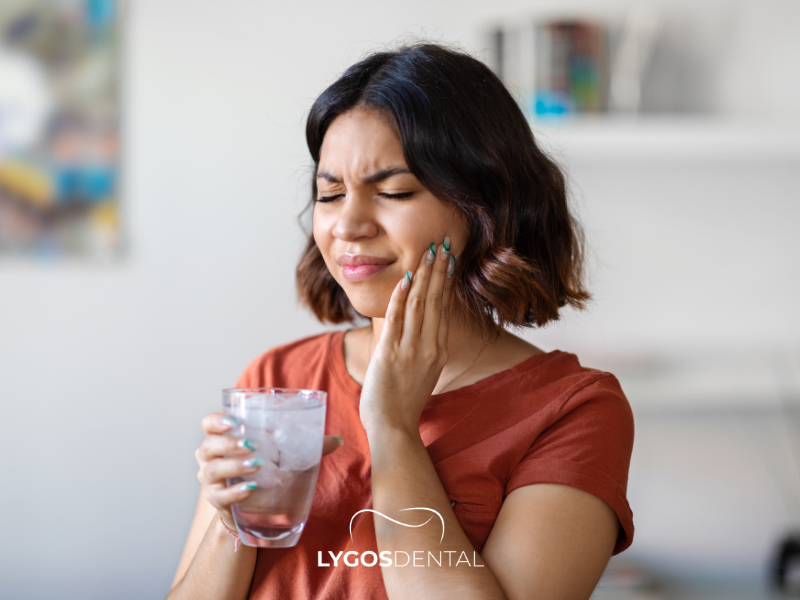
Nighttime tooth pain can feel intense because you have fewer distractions, and lying down may increase blood flow and pressure in the head. The tips below can help you get through the night, but they do not replace a dental exam. Persistent or severe pain usually means there is an underlying issue that needs treatment.

When you lie flat, blood pressure can rise in the head and jaw, which may make inflamed tissues throb. You may also notice pain more at night because the house is quiet and you are not focused on other tasks. Dry mouth during sleep can worsen gum irritation and make sensitive teeth feel sharper.
Swish warm salt water for 30 seconds, then spit it out. This can help reduce irritation and wash away debris. Avoid vigorous gargling if your gums are sore.
Hold a cold pack on the outside of the cheek for 10–15 minutes, then take a break. Cold can reduce swelling and dull pain signals. Do not place ice directly on the tooth or gum tissue.
If you can take it safely, use an over-the-counter pain reliever according to the product label or your clinician’s advice. Avoid doubling up medications that contain the same active ingredient. If you are pregnant, on blood thinners, or have stomach, kidney, or liver conditions, check with a healthcare professional first.
Prop up your head with an extra pillow to reduce throbbing. Sleeping slightly upright can decrease pressure in the painful area and make it easier to doze off.
Skip very hot, very cold, or sugary foods and drinks. If chewing hurts, eat softer foods and chew on the opposite side. If something is stuck, use floss gently—do not dig into the gum with sharp objects.
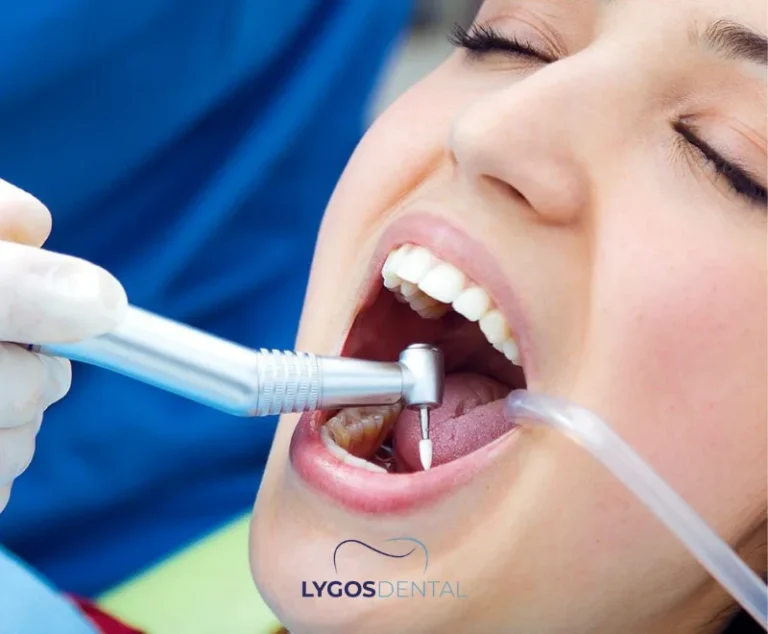
Book an urgent dental appointment if pain is severe, wakes you repeatedly, or lasts more than 24–48 hours. Seek urgent help sooner if you notice facial swelling, fever, a bad taste or pus, difficulty swallowing or breathing, or pain after a recent dental procedure that is getting worse.
Your dentist will identify the cause and recommend treatment. Fixing the underlying issue is the only reliable way to stop the pain from returning.

Some home options may offer short-term comfort while you arrange dental care. Use them cautiously and stop if they irritate your mouth.
Brush twice daily with a fluoride toothpaste and clean between teeth once a day. If you have sensitive teeth, choose a sensitivity-focused toothpaste and use a soft-bristled brush with gentle pressure. Limit frequent sipping of acidic or sugary drinks, and keep regular dental checkups so small issues do not turn into emergencies.
If you have persistent tooth pain, schedule a dental evaluation as soon as possible. A prompt exam can prevent complications and get you lasting relief.
Take ibuprofen/acetaminophen if safe, use cold compress, saltwater rinse, elevate head, call dentist.
Seek urgent dental care; take ibuprofen/acetaminophen if safe, rinse with saltwater, cold compress.
600 mg ibuprofen three times daily for three days maximum, if safe for you.
Root canal or extraction relieves tooth nerve pain; until then use ibuprofen/acetaminophen if safe.

So, the big question is, How To Find A Pediatric Dentist Near Me? In this blog,…
One of the modern solutions to this issue is Laser Teeth Whitening. It has become increasingly…
 Blog
Blog
What Causes Tooth Sensitivity? Tooth sensitivity usually happens when the protective enamel wears down or the…