
Oct 24, 2025
Infection Risks After Dental Implants | LYGOS DENTAL
One of the most common of these is the infection risks after dental implants surgery. If…
Coffee stains usually come from tannins and dark pigments that cling to enamel. Start with prevention—rinse with water after coffee, brush twice daily with fluoride toothpaste, and floss. For existing stains, try gentle whitening products and a professional cleaning. Avoid harsh DIY abrasives that can wear enamel and make staining worse.
Coffee contains tannins, a group of plant compounds that stick to the microscopic texture of enamel. Over time, those pigments become easier to see, especially if you sip coffee throughout the day.
Coffee is also acidic. Acid can soften enamel temporarily, which makes it easier for color to settle in—especially when coffee is paired with sugar, flavored syrups, or smoking.
Stains themselves are mostly cosmetic, but they can be a clue that enamel is being exposed to frequent acid. If enamel thins, teeth may feel more sensitive and become more prone to cavities. Keeping stains under control often goes hand in hand with better daily oral care and fewer acidic exposures.
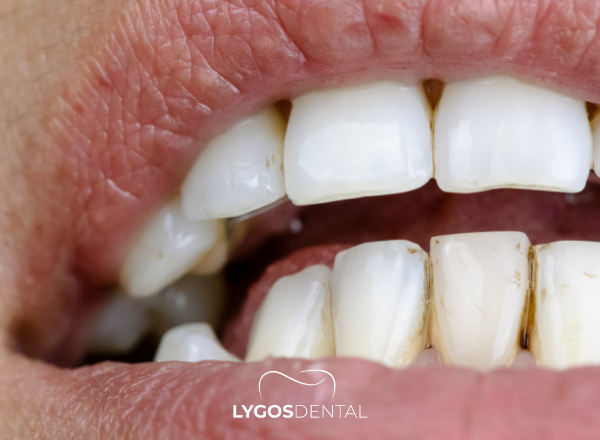
Swish water after your coffee to wash away pigments. If you want to brush, wait about 30 minutes after finishing the drink—brushing right away can scrub softened enamel.
A fluoride toothpaste is the baseline for protecting enamel. If you choose a whitening toothpaste, pick one labeled as enamel-safe and use it as directed. If you notice sensitivity, scale back and talk to your dentist about alternatives.
Coffee stains often collect where plaque builds up—along the gumline and between teeth. Flossing and interdental brushes help remove plaque so pigments have fewer places to cling.
Drink coffee in fewer, shorter sessions instead of sipping all morning. A straw can reduce contact with front teeth for iced coffee. If you add milk, it may slightly reduce staining by diluting pigments, though it won’t prevent stains completely.
At-home options work best on surface stains. If your teeth look yellow-brown or the discoloration has been there for years, professional care usually delivers the biggest change.
Whitening strips and gels typically use hydrogen peroxide or carbamide peroxide to break down stain molecules. Follow the instructions carefully and stop if you develop significant sensitivity or gum irritation.
Many people see improvement simply by brushing more effectively. Use a soft-bristled brush (manual or electric), angle it toward the gumline, and spend a full two minutes. Hard scrubbing won’t remove deep stains and can irritate gums.
Be cautious with abrasive or acidic DIY methods. Baking soda can be harsh if used too often, and activated charcoal products may be abrasive. Apple cider vinegar and lemon-based mixes are acidic and can erode enamel, which often leads to more staining over time.
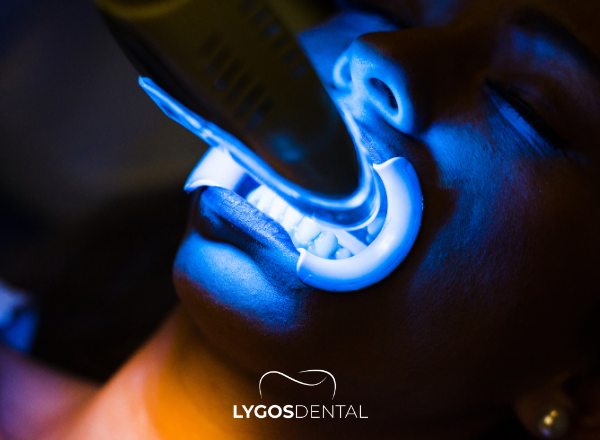
A professional cleaning removes plaque and tartar that trap stains, then polishes away many surface marks. If you haven’t had a cleaning in a while, this is usually the best first step.
Dentist-supervised whitening uses stronger whitening agents and protects your gums during treatment. It can lift deeper discoloration more predictably than most at-home products.
If stains are severe, uneven, or paired with enamel defects, cosmetic options like veneers or composite bonding may be recommended. These cover the tooth surface rather than whitening it, so they’re used when whitening alone won’t meet your goals.
Book a dental visit if stains appear suddenly, if you have tooth pain or sensitivity, or if whitening products cause burning or sores. Your dentist can confirm whether discoloration is from coffee, tartar buildup, medication, or enamel changes—and recommend the safest fix.
Often yes—professional cleaning and good brushing can fade coffee stains.
Get a dental cleaning; whitening toothpaste or dentist-approved strips can help at home.
Yes, old coffee stains are removable with scaling, polishing, or whitening treatments.
Brush twice daily with fluoride toothpaste, floss, and consider dentist-approved whitening strips.
Usually no—coffee stains are typically extrinsic and can be removed or lightened.
