
Jul 23, 2025
Symptoms of Tooth Decay
In this article, we will thoroughly examine “Symptoms of tooth decay,” the causes of decay, how…
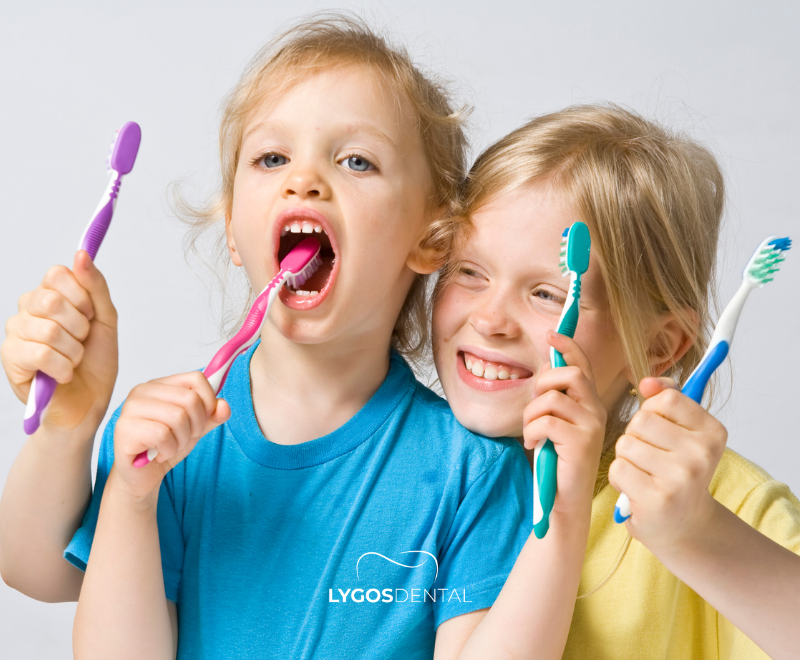
Start brushing as soon as the first tooth appears (usually around 6 months), then build a simple routine: two minutes, twice a day, with gentle circles along the gumline. Choose a small, soft-bristled brush, use the right amount of fluoride toothpaste for your child’s age, and stay hands-on until they can clean thoroughly on their own.
Healthy baby teeth help children chew comfortably, speak clearly, and hold space for permanent teeth. When plaque builds up, kids can develop cavities that cause pain, infections, trouble eating, and missed school days.
Good daily brushing also supports gum health. Over time, strong oral habits make dental visits easier and reduce the need for fillings or emergency care.
Begin oral care before teeth appear by wiping your baby’s gums with a clean, damp cloth once or twice a day.
Once the first tooth erupts—often around 6 months—switch to a soft infant toothbrush or a silicone finger brush. Brush twice daily with a tiny smear of fluoride toothpaste.
Around age 2, many children can start holding the brush and copying your motions. You’ll still need to guide their hand and finish the job, since coordination is limited at this stage.
Pick a brush with a small head and soft bristles. A chunky, non-slip handle makes it easier for little hands to grip.
If your child enjoys it, fun colors or characters can boost motivation. The best toothbrush is the one your child will use consistently.
Under age 3: use a smear about the size of a grain of rice.
Age 3 and up: use a pea-sized amount. Encourage spitting, and keep toothpaste out of reach between brushing times.
Brush together in front of a mirror. Show your child where the brush goes, then let them try while you coach. Finish by taking a turn to catch the spots they miss.
Most children need supervision and a parent “final pass” until about age 7–8, when their hand skills and attention span are more reliable.
Angle the bristles slightly toward the gumline and use gentle circles. Work in an easy pattern so nothing gets skipped:
Aim for two minutes total, twice a day. If your child’s gums bleed a little at first, keep brushing gently—bleeding often improves as gums get healthier. If it persists, ask your dentist.
A little creativity can turn brushing from a battle into a routine your child expects.
Pediatric dentists are trained to teach oral care in kid-friendly ways and can demonstrate brushing and flossing techniques that match your child’s age and development.
Regular checkups also help catch early cavities or gum irritation before they become painful problems. If brushing is consistently difficult, your dentist can recommend specific tools—like smaller brush heads, electric options, or floss aids—to make home care easier.
Model twice-daily brushing, use pea-sized fluoride toothpaste, and supervise until age 7–8.
Make brushing fun with choices, routines, rewards, and brushing together for two minutes.
Yes, many 2-year-olds resist; keep calm, consistent, and try distraction and praise.
No, don’t force; gently assist, use a safe hold if needed, and protect trust.
Use choices, a timer, favorite song, flavored toothpaste, and short calm sessions.
Cavities, pain, infections, bad breath, and costly dental treatment can result.
