
Feb 27, 2025
John Legend Teeth Veneers
John Legend is not only known for his incredible musical talent but also for his charismatic…
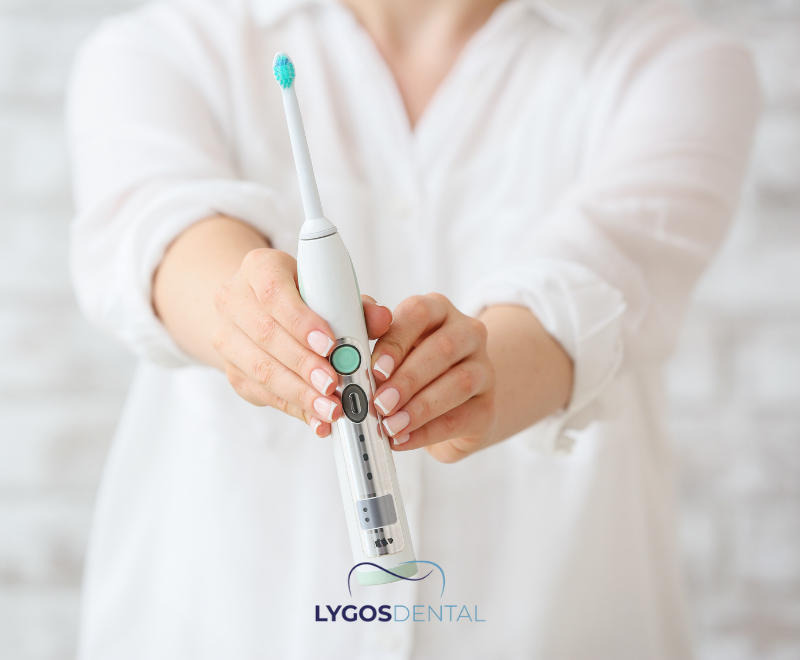
To use an electric toothbrush, place the bristles gently against your teeth and gumline at about a 45-degree angle, then let the brush do the work. Move slowly tooth by tooth, spending around 30 seconds on each quarter of your mouth for a total of 2 minutes. Avoid scrubbing or pressing hard.
Electric toothbrushes make the brushing motion for you, so it’s easier to clean consistently.
They can be especially helpful if you have braces, limited hand dexterity, or a tendency to brush too hard.
Electric toothbrushes are powered brushes that move the bristles automatically.
Depending on the model, the head may oscillate and rotate, pulse, or create high‑frequency vibrations (often called “sonic”).
Pick a head that matches your needs. Soft bristles are usually the safest choice for daily use.
If you have sensitive gums, look for a “sensitive” or “gum care” head. For braces, consider an orthodontic head.
Common modes include daily clean, sensitive, and deep clean. Start with sensitive if you’re new to powered brushing.
A built‑in 2‑minute timer and 30‑second pacer make it easier to cover every area evenly.
Pressure sensors are useful if you tend to press down while brushing.
If you travel, check the expected battery life and whether it uses a charging base or replaceable batteries.
Rinse and dry the handle area before placing it on the charger to avoid buildup.
Basic models clean well. Higher‑end brushes may add app tracking, extra modes, or more sensors.
Charge the toothbrush if it’s rechargeable.
Attach the brush head firmly, then wet the bristles and add a pea‑sized amount of toothpaste.
Place the bristles on the tooth surface and along the gumline at about a 45‑degree angle.
Keep a light grip. You should feel the bristles touch the teeth, not mash into the gums.
Turn the toothbrush on after the head is in your mouth to reduce splatter.
Guide the brush slowly—one or two teeth at a time—without scrubbing back and forth.
Spend about 30 seconds on each quadrant: upper right, upper left, lower right, and lower left.
Brush the outer surfaces, inner surfaces, and chewing surfaces of your teeth.
Use the tip of the brush head gently behind the front teeth where plaque builds up easily.
Spit out toothpaste, then rinse if you prefer. Many dentists recommend only a light rinse so fluoride can keep working.
Rinse the brush head under running water, shake off excess water, and store it upright to air‑dry.
Brush twice a day for 2 minutes each time.
If your dentist has recommended specific routines for gum disease, orthodontic treatment, or sensitivity, follow their advice.
After each use, rinse the brush head well and let it dry in the open air.
Wipe the handle occasionally with a damp cloth. Avoid soaking the handle unless the manufacturer says it’s waterproof.
Replace the brush head every 3 to 4 months, or sooner if the bristles fray.
If you’ve been sick, swapping the brush head can be a sensible hygiene step.
Hold brush at 45° to gumline, guide slowly tooth-to-tooth; let it vibrate.
Don’t scrub hard, use excessive pressure, share heads, or submerge non-waterproof handle.
Use fluoride toothpaste; a pea-sized amount is enough with an electric toothbrush.
Yes—pressing too hard or moving too fast reduces cleaning and can damage gums.
Brush twice daily for two minutes each time, plus after meals when advised.
Yes, dentists often recommend electric toothbrushes because they improve plaque removal and brushing consistency.
