
Apr 26, 2025
First Aid For Children’s Dental Emergencies
In this article, we will explore all the important details about first aid for children's dental…
In-office laser teeth whitening is a chairside procedure where a dentist applies a professional whitening gel and activates it with a light/laser system to brighten your natural tooth color. Most people see a noticeable change after one visit, with results depending on staining, enamel thickness, and aftercare habits like avoiding dark foods for 48 hours.
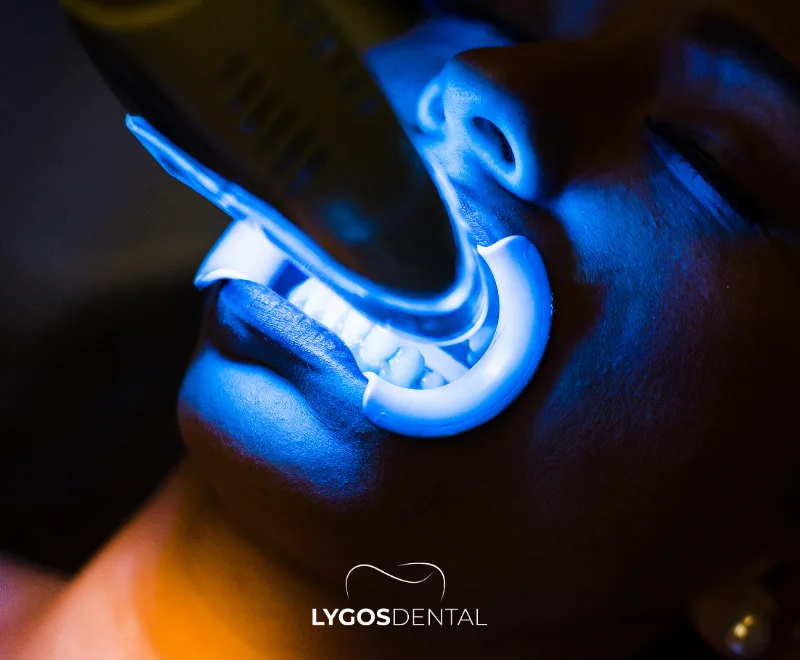
In-office laser teeth whitening is a professional whitening treatment performed in a dental clinic. A high-strength whitening gel is placed on the tooth surfaces and activated with a laser or high-intensity light to speed up the brightening effect.
Because the process is controlled by a dentist, it tends to be faster and more predictable than over-the-counter products. It targets external stains (tea, coffee, smoking) and some deeper discoloration, depending on the cause.
Exact protocols vary by clinic and brand of whitening system, but most appointments follow a similar sequence.
Your dentist checks the health of your teeth and gums and identifies issues that should be treated first, such as cavities, gum inflammation, or heavy tartar. A starting shade is recorded so you can compare the change after treatment.
A protective barrier is placed over the gums to reduce irritation. The whitening gel is then applied only to the visible tooth surfaces.
The gel is activated with a light or laser system to enhance the whitening reaction. Depending on the system, the gel may be refreshed and reactivated in short cycles during the visit.
After the last cycle, the gel is removed and the teeth are rinsed. Your dentist checks the final shade and may recommend a desensitizing product if you are prone to sensitivity.
Many patients complete in-office whitening in one session, usually lasting about 30–60 minutes. If your teeth start out very dark or you want a brighter target shade, your dentist may recommend 2–3 sessions.
Spacing sessions gives the teeth time to rehydrate and helps manage sensitivity. Your dentist can set realistic expectations based on the cause of discoloration and your enamel condition.
In-office whitening is typically suitable for healthy, natural teeth with yellow or brown staining. It may be postponed if you have untreated cavities, active gum disease, or severe enamel wear.
Fillings, crowns, and veneers do not whiten with gel. If you have visible restorations on the front teeth, plan for possible replacement after whitening so the shades match.
Have a dental exam first, and consider a professional cleaning if you have tartar buildup. Try to limit smoking and strongly colored drinks like coffee, tea, and red wine the day before your appointment.
For the first two days, choose a “white diet” where possible: water, milk, yogurt, rice, pasta, eggs, and light-colored soups. Avoid staining foods and drinks such as coffee, tea, cola, wine, tomato sauces, and dark spices.
Mild sensitivity can happen and usually settles within a few days. A toothpaste for sensitive teeth, lukewarm water, and avoiding very cold or acidic foods can help. Contact your dentist if sensitivity is strong or lasts longer than a week.
To keep results longer, brush twice daily, floss regularly, and schedule routine cleanings. Stain habits (smoking, coffee/tea) have the biggest impact on how long your shade lasts.
Advantages include speed, professional supervision, and controlled gum protection. Many patients see a noticeable change after a single visit.
Limitations include temporary sensitivity and the fact that whitening does not change the color of crowns, veneers, or fillings. Very gray discoloration (such as some tetracycline staining) may need a different cosmetic plan.
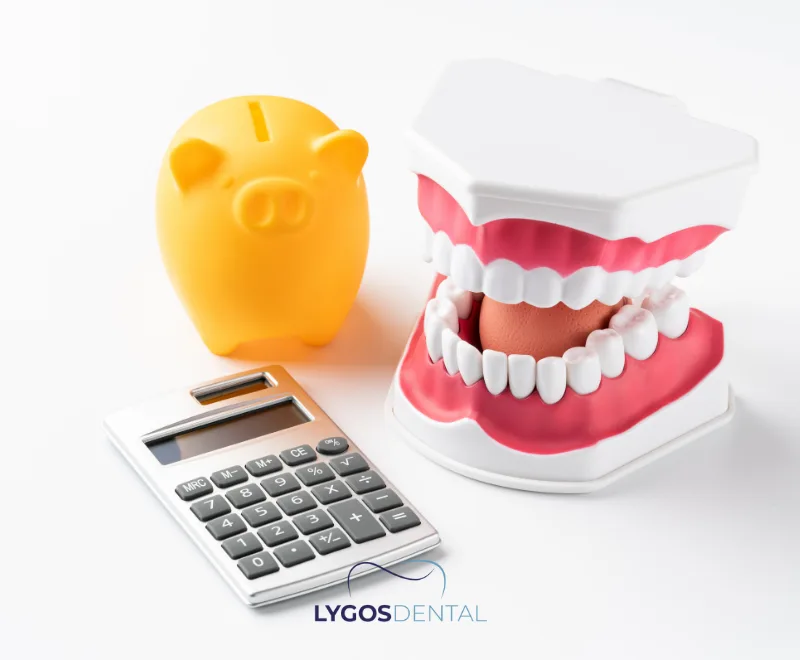
Prices vary widely by city, clinic facilities, the whitening system used, and whether you are whitening one arch (upper or lower) or both arches. A consultation is the only way to get a precise quote for your teeth.
Based on publicly listed 2025–2026 clinic ranges and current fee guides in Turkey, in-office laser/LED-assisted whitening is commonly quoted in the following bands:
| Service (Typical) | Estimated 2026 Range (TRY) |
| Single in-office session (both arches) | 9,000 – 15,000 |
| Single arch (upper or lower) | 8,000 – 13,000 |
| Two-session package | 16,000 – 26,000 |
| Three-session package | 22,000 – 35,000 |
Clinics may price whitening separately from the exam and cleaning, while others bundle these into a package. If you see a much lower quote, confirm whether it covers both arches and whether it includes gum protection and follow-up checks.
When performed by a licensed dentist with proper gum isolation, in-office whitening is considered a safe cosmetic procedure for most adults. Your dentist will screen for cavities, gum problems, and enamel issues before starting.
Most people do not feel pain during the appointment. Some experience temporary sensitivity, especially to cold air or drinks, and it typically improves within a few days.
Results vary with diet and habits. Many people maintain a brighter shade for several months, and longer with good oral hygiene and reduced staining habits.
Dentists often prefer to wait until tooth development is complete. Your dentist can advise whether whitening is appropriate for teenagers based on dental maturity and sensitivity risk.
A typical appointment takes around 30–60 minutes, depending on the whitening system and the number of gel cycles used.
No. Restorations do not change color with whitening gel. If you have visible restorations, plan shade matching with your dentist after whitening.
