
Jun 19, 2025
Does Nighttime Teeth Grinding Break Teeth?
In this article, we’ll explore in detail the answer to the question: “Does nighttime teeth grinding…
Dental X-rays are generally considered safe during pregnancy when they’re clinically necessary. The beam is focused on the mouth, fetal exposure is extremely low, and your dental team uses modern equipment and strict radiation-safety steps. If an X-ray is needed to diagnose pain, infection, or trauma, delaying it can be riskier.

Most routine dental care, including radiographs, can be done during pregnancy when it supports diagnosis and treatment. Professional guidance from the American Dental Association (ADA) and the American College of Obstetricians and Gynecologists (ACOG) recognizes that needed dental imaging and treatment should not be postponed if it could worsen the problem.
Modern dental X-ray systems use very small doses of radiation and a tightly collimated beam aimed at the teeth and jaws. Your dentist should only take images that are expected to change care, following the ‘as low as reasonably achievable’ approach.
Dentists typically order X-rays when symptoms or clinical findings suggest a problem that can’t be confirmed by sight alone. Common examples include severe toothache, suspected abscess, cracked tooth, advanced gum disease, trauma, or planning for urgent treatment such as a root canal or extraction. In these cases, the benefit of finding the source of infection or pain usually outweighs the minimal radiation exposure.
A dental X-ray targets the mouth area, so the uterus is not in the path of the beam. Research measuring fetal dose from different dental imaging types shows exposure is extremely low, typically in the microgray range even without shielding. That level is far below doses associated with fetal harm in medical imaging guidance.
If imaging is elective and can safely wait, many clinicians prefer the second trimester because nausea is often improved and lying back is more comfortable. That said, urgent dental diagnosis and treatment can be provided at any point in pregnancy when needed. The priority is treating infection and significant pain promptly rather than waiting for a “perfect” trimester.
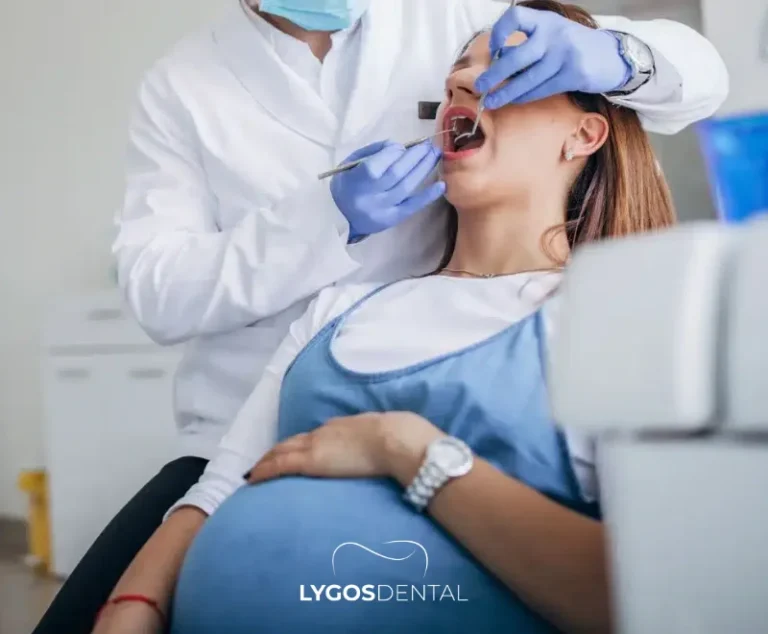
Dental teams reduce exposure by using digital sensors, fast settings, and limiting images to what’s necessary for care. They also position you carefully and focus the beam on the smallest area needed. Some clinics may offer abdominal and thyroid shielding, although the ADA has updated recommendations indicating routine lead shielding is no longer needed for dental radiography; local regulations and office policies may still require or provide it.
If you’re anxious, tell your dentist. Many practices will still use a lead apron for reassurance when it doesn’t interfere with the image, and they can explain exactly why the X-ray is being recommended.
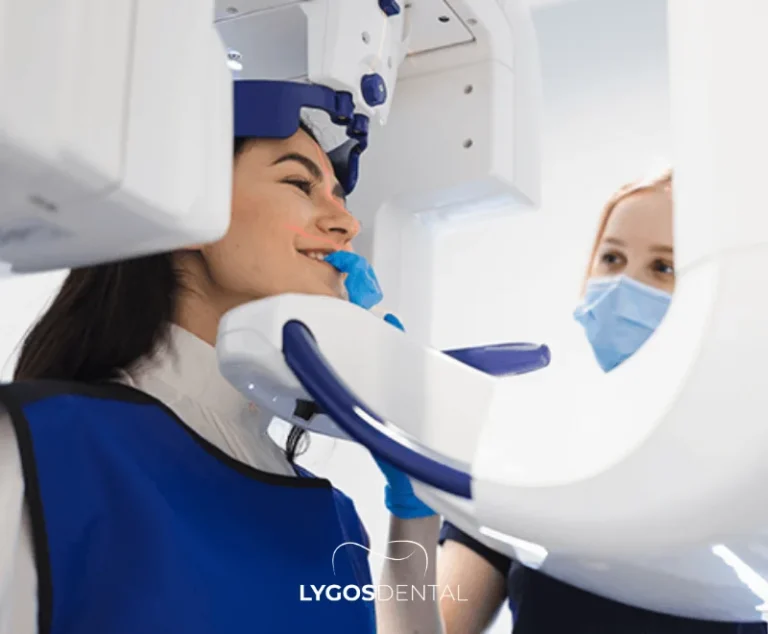
Sometimes a careful exam, periodontal measurements, bite tests, photographs, or previous radiographs are enough to make a safe plan. Still, hidden decay between teeth, root infections, cysts, and bone changes often can’t be confirmed without imaging. Skipping an X-ray when it’s needed can delay treatment and allow infection to progress.
Needed dental X-rays are safe with shielding; postpone elective films until later.
Follow ALARA: take only necessary images, use digital, lead apron, thyroid collar.
No direct side effects expected; fetal radiation from dental X-rays is extremely low.
Dental X-rays remain safe if needed; focus on shielding and comfortable positioning.
