
Apr 22, 2025
Dental Care For Kids
When it comes to children's health, one area that often gets overlooked is dental hygiene. Dental…
Fluoride toothpaste is considered safe for most people when used as directed. It strengthens enamel, helps reverse early decay, and lowers cavity risk. Problems usually come from frequent swallowing or long-term excessive fluoride exposure, which can cause mild dental fluorosis in young children. Use the right amount for age and spit after brushing.
Oral health is closely linked to overall health, and fluoride toothpaste is one of the most widely used tools for preventing tooth decay. Still, you may have seen concerns online about fluoride’s safety. The real question isn’t whether fluoride exists in toothpaste, but whether it’s used in the right way and dose.
Fluoride is a naturally occurring mineral found in water, soil, and some foods. In dentistry, it’s valued because it helps the outer layer of the tooth (enamel) resist acid attacks from plaque bacteria and sugar.
Yes. Research consistently shows that brushing with fluoride toothpaste reduces cavities. Fluoride supports remineralization (repair of early enamel damage) and makes enamel more resistant to future demineralization.
Over-the-counter toothpastes commonly contain about 1,000–1,500 ppm fluoride, a range considered effective for cavity prevention.

Fluoride integrates with enamel and helps it withstand acids produced after eating or drinking sugary foods.
By slowing demineralization and supporting repair, fluoride lowers the chance that early weak spots develop into cavities.
Early enamel changes can often be stabilized when fluoride is available regularly through brushing.
Certain fluoride toothpastes are designed to help protect exposed areas, which can reduce sensitivity for some people.
Like many helpful ingredients, fluoride can cause problems when intake is excessive. With toothpaste, the main risk is repeated swallowing by young children or very frequent use of high‑fluoride products without professional guidance.
During tooth development (typically in early childhood), swallowing too much fluoride over time can lead to dental fluorosis. Mild fluorosis often appears as faint white streaks or spots and is mainly cosmetic.
Swallowing large amounts of toothpaste at once may cause nausea, vomiting, or stomach pain. This is one reason adult supervision matters for young children.
Prescription-strength toothpastes may contain much higher fluoride levels (for example, 5,000 ppm) and are intended for people at higher cavity risk. These should be used only when recommended by a dentist.
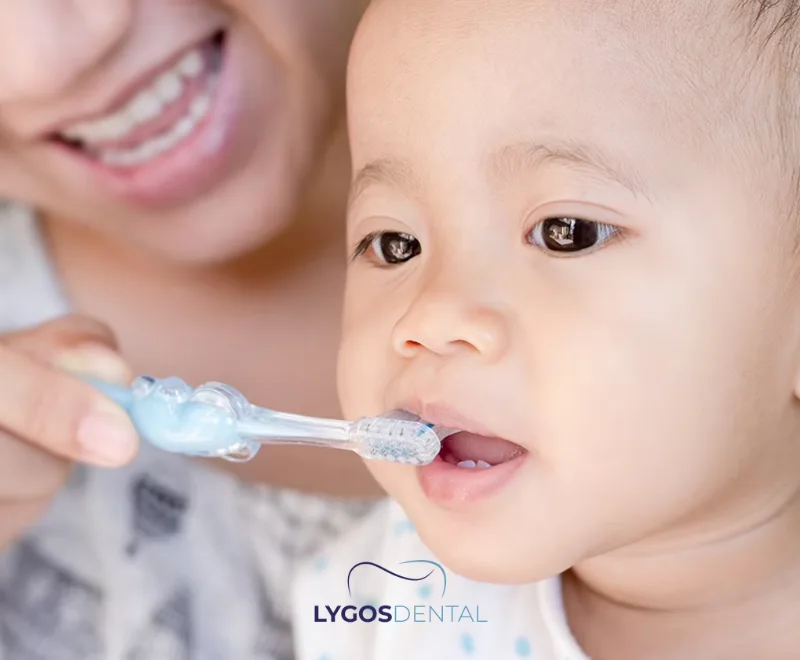
In general, yes—when the amount matches the child’s age and brushing is supervised. Many dental and public health bodies advise using fluoride toothpaste from the eruption of the first tooth, while focusing on minimizing swallowing.
Help your child brush, keep toothpaste out of reach between uses, and encourage spitting rather than rinsing and swallowing. If your child repeatedly swallows toothpaste, speak with a pediatric dentist about the best approach for your situation.
Fluoride toothpaste is not harmful for most people when used correctly. It remains one of the simplest, best-supported ways to protect enamel and reduce cavities. The key is dosage—especially for young children—and using higher-strength products only under professional guidance.
Fluoride toothpaste contains fluoride compounds that help strengthen enamel and reduce the risk of tooth decay when used regularly.
Not when used as directed. The main concerns involve swallowing toothpaste frequently (especially in young children) or using high‑fluoride products without dental advice.
Yes, with age-appropriate amounts and adult supervision. Use a rice-grain smear under age 3 and a pea-sized amount from ages 3–6.
Over time, excess swallowed fluoride in early childhood can cause dental fluorosis. Swallowing a large amount at once can also cause stomach upset.
