
Nov 19, 2025
Aesthetic Advantages of Zirconium Crowns | LYGOS DENTAL
So, how does tooth loss affect speech? In this article, we will examine in detail the…
Yes—dental implants in Turkey are generally safe when they’re placed in a licensed clinic by an experienced implant dentist, with strict sterilization and a well‑planned digital workup (such as 3D scans). Safety depends less on the country and more on the clinic you choose, the implant system used, and the aftercare plan you’ll follow.
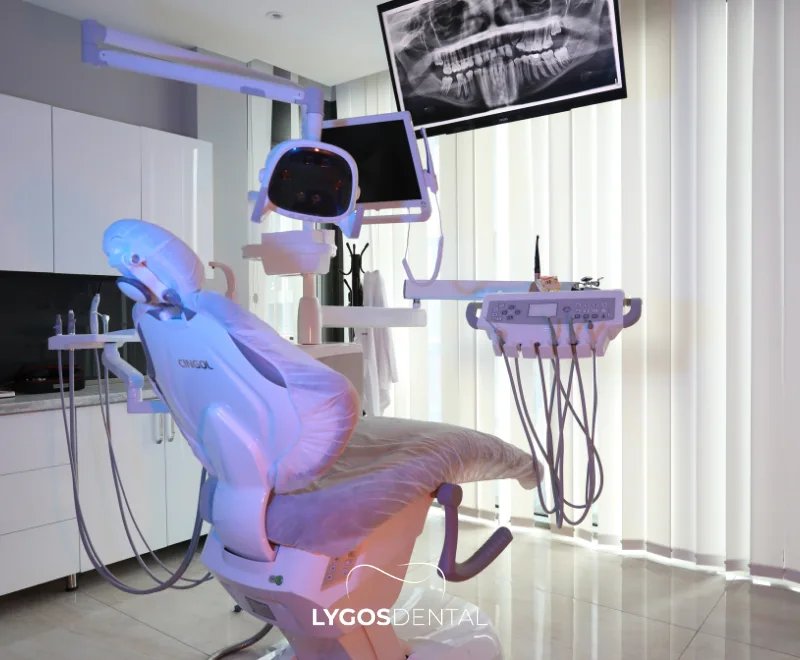
Turkey attracts dental implant patients because many clinics use modern diagnostic and surgical tools, treat high volumes of cases, and offer packages designed for international visitors. For many people, the main draw is value: treatment prices are often lower than in Western Europe or the U.S., while the clinical approach can be comparable in well-established centers.
Implant dentistry is a regulated medical service, and private dental clinics are subject to licensing and inspections. In practice, outcomes depend on clinical planning, infection control, the surgeon’s experience, and patient factors (smoking, diabetes control, gum disease, and oral hygiene). Across large studies and systematic reviews, dental implants show long-term survival rates in the mid‑90% range over ten years.
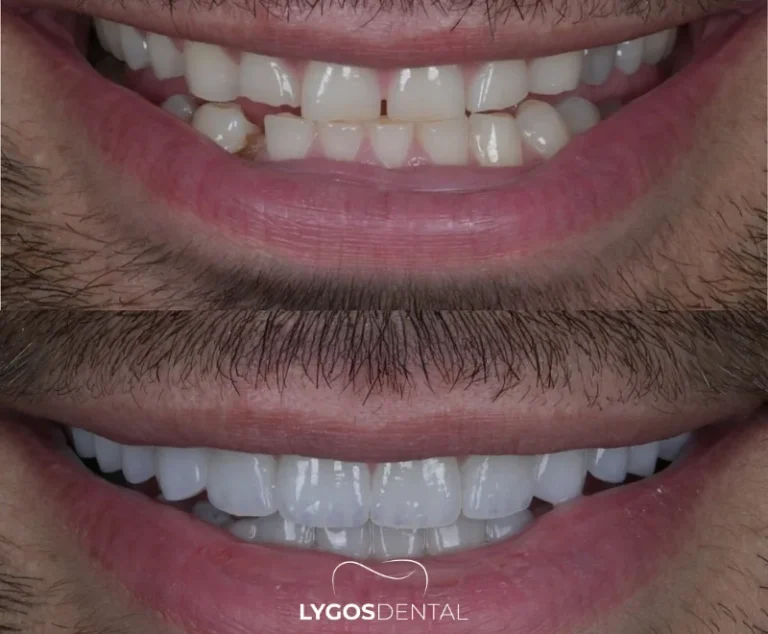
Start with basics: a legitimate clinic should be open about licensing, the treating dentist’s credentials, and who will actually place the implant (dentist, periodontist, or oral surgeon). If a clinic is reluctant to share names, qualifications, or a written treatment plan, treat that as a red flag.
Safe implant care begins before surgery. A thorough assessment typically includes a clinical exam, gum evaluation, and imaging to check bone volume and the location of nerves and sinuses. Ask for a clear plan that explains how many implants you need, where they will be placed, whether grafting is recommended, and what the timeline will look like for temporary and final teeth.
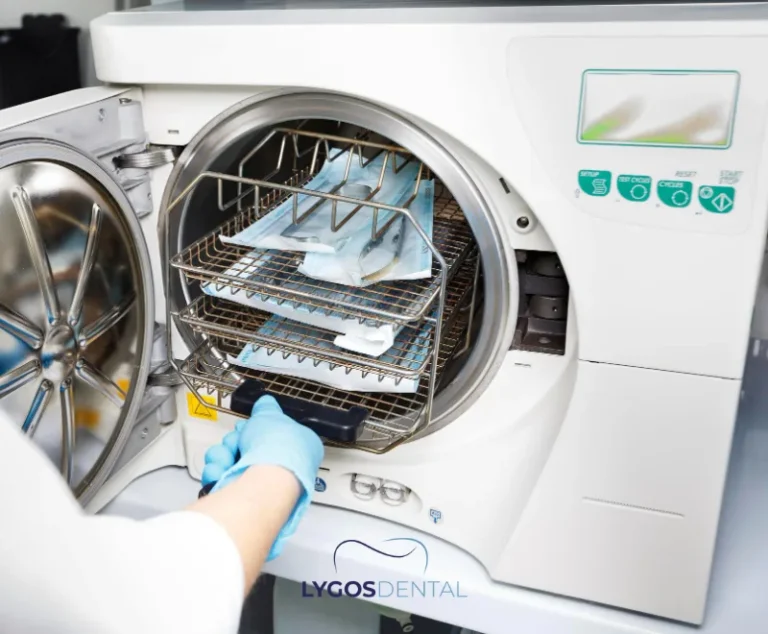
Implant surgery should be performed with hospital-grade infection control. You should see single-use items where appropriate, sealed instrument packs, and clear hygiene protocols for the surgical room. If the environment looks rushed, crowded, or improvised, it’s reasonable to walk away.
Reputable clinics use well-known implant systems and can tell you the exact brand and model being placed. Ask for documentation of your implant details (brand, size, lot/serial number) for your records and for any future maintenance. Be cautious of “no-name” implants or vague answers like “German quality” without specifics.
Good clinics plan for what happens after you fly home. You should receive clear medication instructions, a written hygiene routine, and follow-up checkpoints. If you are getting complex work (multiple implants or full‑arch bridges), ask how complications are handled and whether you have support if you need adjustments once you’re back in your home country.
Dental implants are routinely successful, but they are still surgery. Most complications are preventable with correct planning, careful surgical technique, and good patient compliance. These are the most common risks patients should understand:
Risk goes down when you choose a clinic that does comprehensive planning, uses a proven implant system, and gives you time for healing. It also helps to be honest about medical conditions and medications, and to follow the post-op instructions closely.
Prices vary by city, clinic, implant brand, and how complex your case is. As a rough guide, many clinics quote around €350–€800 per implant for the surgical component, with separate costs for the abutment and crown in some offers. Bone grafting, sinus lifts, extractions, or sedation can change the total significantly.
When comparing quotes, ask what is included:
Safety is mostly a clinic-selection issue. Before you book flights, use this checklist to screen providers and avoid “too good to be true” offers.
Some clinics advertise “same-day implants,” but not every patient is a good candidate. In many cases, a temporary tooth or bridge can be provided soon after surgery, while the final restoration is fitted after healing. If your plan involves multiple stages, make sure your travel schedule matches the clinical timeline—not the other way around.
About €8,000–€12,000 for All-on-4 both jaws; some packages reach $16,000.
Yes, if you vet credentials, sterilization, and aftercare; complications are harder to manage.
No single country; prioritize strict regulation, accredited implant teams, and reliable follow-up.
Lower prices, all-inclusive packages, and shorter waits drive Turkey’s implant tourism.
A 3:2 guideline places implant shoulder ~3mm apical and ~2mm palatal to gingival zenith.

So, how does tooth loss affect speech? In this article, we will examine in detail the…
 Blog
Blog
Teeth Breaking Dream Meaning: Understanding Its Symbolism Dreams about teeth breaking are commonly linked to stress,…
 Blog
Blog
Nicole Kidman Teeth Transformation: Everything You Need to Know Nicole Kidman’s smile has noticeably evolved from…