
Nov 20, 2025
How Does Pacifier Use Affect Dental Development? | LYGOS DENTAL
So, how does tooth loss affect speech? In this article, we will examine in detail the…
Itchy gums are usually a sign of irritation or early inflammation along the gumline—most often from plaque buildup. They can also be triggered by dry mouth, sensitivity to oral care products, allergies, or something rubbing the gums. If itching comes with bleeding, swelling, bad breath, or loose teeth, a dental check is the safest next step.
Gums can itch in a way that feels “tickly,” irritated, or slightly sore. Some people notice it after brushing, others on waking, and sometimes it’s limited to one tooth.
The goal is to identify what’s driving the irritation so you can calm the tissue and prevent it from progressing into a bigger gum problem.
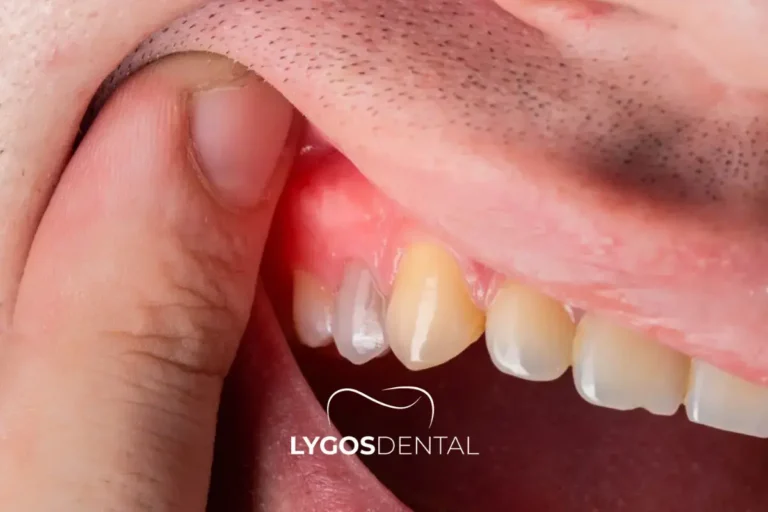
Most of the time, itching is your body’s way of flagging irritation at the gum edge. That irritation may be caused by inflammation (often from plaque), a contact reaction to a product, dryness, or mechanical rubbing. The right fix depends on the trigger, so it helps to look for patterns—when it starts, where it happens, and what makes it better or worse.
If you had to pick one main culprit, it’s plaque along the gumline. Plaque is a soft, sticky film that forms every day. When it sits near the gums, the tissue can become inflamed and may feel itchy, tender, or “tickly.” The early stage of gum inflammation is called gingivitis.
Gingivitis is often reversible with consistent daily cleaning and a professional scale and polish if tartar has built up.
If itching started soon after switching toothpaste, mouthwash, whitening products, or even flavored floss, a sensitivity is possible. Strong flavors and certain additives can irritate the soft tissue in some people. A useful clue is timing: symptoms appear shortly after use and improve when you stop.
A dry mouth can leave gum tissue feeling raw and more vulnerable. Saliva helps neutralize acids and control bacteria, so when there’s less of it, the mouth can feel uncomfortable and gum inflammation can flare more easily. Mouth breathing, some medications, dehydration, and snoring can all contribute.
Some people notice oral itching during allergy seasons. Post-nasal drip, sinus congestion, and general inflammation can make the mouth feel sensitive. If itching coincides with other allergy symptoms and settles when those do, allergies may be part of the picture.
Hormonal shifts can make gums more reactive, so they may bleed or feel irritated more easily. This is sometimes seen during puberty, pregnancy, and menopause. Good daily cleaning and regular dental checks are especially helpful during these times.
Retainers, aligners, dentures, or a rough edge on a filling or crown can rub the gumline and keep it inflamed. If the itch is in one spot—especially if it feels sore—mechanical irritation is worth checking.
If you’ve recently started cleaning between teeth again, or you’re brushing hard, the gums can feel irritated at first. Aim for gentle technique and consistency. Cleaning between teeth is one of the most effective ways to calm gum inflammation over time.
If gum disease progresses, symptoms often move beyond itching to bleeding, recession, and sometimes tooth looseness. Persistent itching shouldn’t be ignored, especially if it’s accompanied by other changes.

If itching is mild and you’re not seeing obvious swelling, severe pain, or ulcers, these steps are a sensible place to start.
Run your tongue along the area. If something feels sharp, tight, or scratchy, don’t file or cut anything yourself. If it’s an aligner or retainer, contact your dental team for advice.
Dental treatment focuses on removing the cause of irritation and supporting your daily routine so symptoms don’t keep returning.
If plaque and tartar are driving the irritation, a professional clean removes what home care can’t. For many people, this is the turning point for persistent itchy or bleeding gums.
Your dentist may measure gum pockets, check for inflammation, and suggest the right interdental tools for your spacing and gum health. Early support can help prevent progression.
If a retainer or aligner is pinching, or a restoration edge is irritating the gum, a small adjustment can make a big difference.
Book an appointment if you notice any of the following:
If itching is persistent, keeps returning, or is limited to one area that feels tender, it’s worth getting it checked. Early treatment is usually simpler and more comfortable.
Rinse with warm saltwater, brush gently, floss, avoid irritants; see a dentist.
Warm saltwater rinses and cold compresses can soothe; avoid spicy or acidic foods.
Itchy gums often indicate gingivitis, allergy, irritation, or healing; persistent symptoms need dental evaluation.
Treat the cause: improve oral hygiene, rinse with saltwater, avoid irritants; see a dentist.
Gum itching isn’t specific, but diabetes increases gum disease risk; get checked if concerned.
Itching can be an early sign of eczema, allergy, liver disease, or kidney disease.
