
Feb 10, 2025
Connor McGregor Teeth Veneers | LYGOS DENTAL
Connor McGregor, the famed MMA fighter and former UFC champion, is known for his incredible athleticism,…
Laser gum treatment uses dental lasers to clean periodontal pockets by reducing bacteria and removing inflamed tissue. It’s used for gum disease and for cosmetic reshaping, often with less bleeding and a shorter recovery than traditional surgery. The right approach depends on your diagnosis, pocket depth, and the laser system your dentist uses.
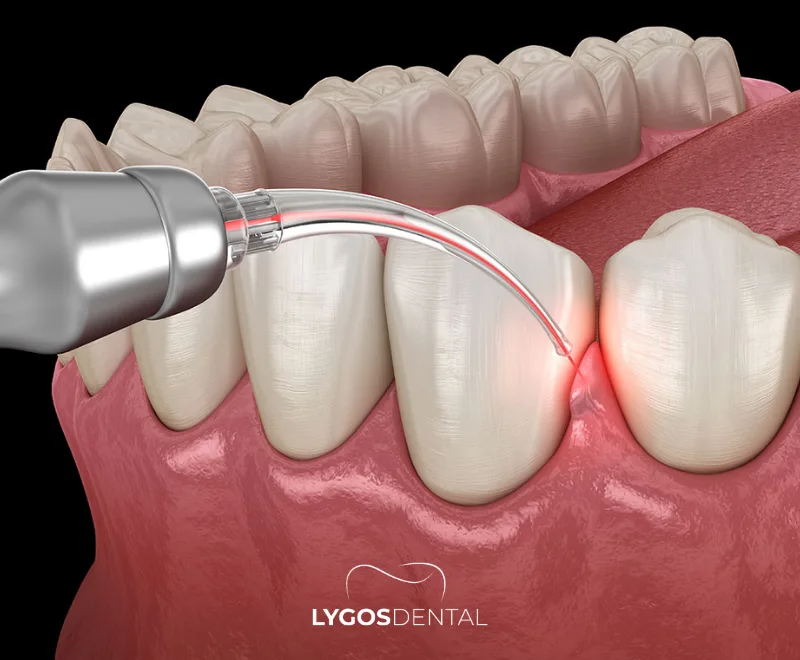
Laser gum treatment is a modern approach used to manage gum disease (periodontal disease) and certain cosmetic gum concerns. The dentist uses a dental laser to reduce bacteria and remove diseased or inflamed tissue with a high level of precision. In many cases, it’s performed as an adjunct to deep cleaning rather than as a full replacement for conventional periodontal surgery.
Different laser types are used in dentistry, and the technique matters as much as the device. Your clinician will choose a protocol based on pocket depth, the condition of the bone and gum, and whether you also need scaling and root planing (deep cleaning).
Laser-assisted periodontal therapy may be considered in several situations. Your dentist will confirm the diagnosis and decide whether laser support is appropriate for your case.
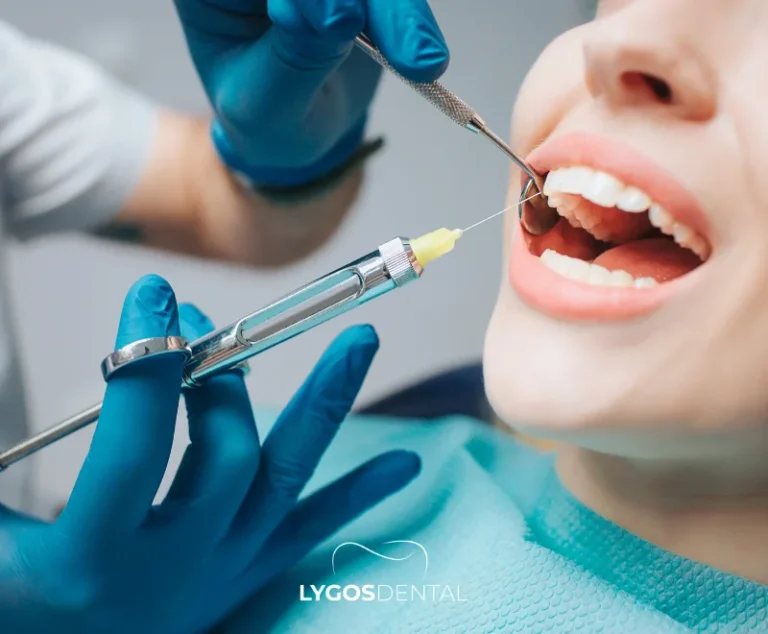
The appointment starts with a full periodontal assessment. This may include pocket measurements, X-rays, and a review of your medical history and medications. Your dentist will explain what the laser will be used for and whether deep cleaning will be done in the same visit.
Local anesthesia is commonly used, especially for deeper pockets. Some people feel only mild discomfort, but comfort varies from patient to patient. Your dentist can adjust numbing, suction, and cooling to keep the session manageable.
The laser is directed into the periodontal pocket to target bacteria and diseased tissue while preserving healthy gum as much as possible. Depending on the protocol, the dentist may also use ultrasonic and hand instruments to remove hardened deposits from the root surface. At the end of the session, the area is rinsed and checked for bleeding control.
Many patients need a review visit to reassess pocket depth and gum healing. Your dentist may schedule additional sessions, particularly if multiple areas require treatment. Long-term success depends on home care and ongoing professional maintenance visits.
Laser-assisted therapy is valued for being less invasive in many cases. That can mean a calmer experience in the chair and a smoother early recovery.
Laser treatment is not automatically the best option for every stage of gum disease. Advanced bone loss, complex pocket anatomy, or other clinical findings may still require surgical periodontal treatment. A periodontal specialist (periodontist) can advise when laser support is appropriate.
When performed by trained clinicians with proper safety measures, dental lasers are widely used. Still, there are limits and potential downsides to know about.
Tell your dentist if you are pregnant, have diabetes, take blood thinners, or have any condition that affects healing. These factors don’t always prevent treatment, but they can change how the plan is managed.

Most people return to normal activities quickly after laser-assisted gum treatment. Mild tenderness or sensitivity is common for a short period, particularly if deep cleaning was performed.
Contact your dentist if you notice worsening pain, swelling, pus, fever, or bleeding that doesn’t settle. These symptoms are uncommon, but they deserve a prompt check.
Pricing varies because clinics may charge per tooth, per quadrant, or as a package that includes deep cleaning and follow-up sessions. The laser type, the severity of disease, the city, and whether a periodontist is involved can all change the total cost.
In 2026, private clinics in Turkey commonly quote periodontal care in the low thousands of TL for limited areas, with higher totals for full-mouth, multi-session treatment or combined cosmetic procedures. The only reliable quote is the one you receive after a clinical examination and a written treatment plan.
If you have private or supplementary health insurance, ask your provider what is covered. Coverage varies, and many plans treat periodontal and cosmetic procedures differently.
Most patients are comfortable with local anesthesia. You may feel pressure or mild sensitivity during and after the visit, especially if deep cleaning is performed. Discomfort is usually short-lived and can often be managed with your dentist’s advice.
It depends on how many areas are treated. A focused session may take around 20–60 minutes, while full-mouth treatment is usually planned over multiple visits.
Results can be long-lasting when gum disease risk factors are controlled. Daily brushing and interdental cleaning, quitting smoking, and regular maintenance visits are the biggest predictors of stability over time.
People with uncontrolled diabetes, immune conditions, bleeding disorders, or complex medical histories often need additional planning. Let your dentist know about all medications and any recent medical changes so the safest approach can be chosen.
