
Jun 23, 2025
How Does Diet Affect Dental Health?
The question “How does diet affect dental health?” is one that anyone aiming to maintain a…
Baby tooth decay is preventable with early cleaning, the right amount of fluoride toothpaste, a low-sugar routine, and an age-one dental visit. Start wiping gums and brushing as soon as the first tooth erupts, brush twice daily with caregiver help, avoid bedtime bottles with anything but water, and keep regular check-ups to catch early spots before they turn into cavities.
Baby teeth are not “practice teeth.” They hold space for permanent teeth, support clear speech, and help children chew comfortably. When baby teeth decay, children can feel pain, have trouble eating, and may need dental treatment that could have been avoided.
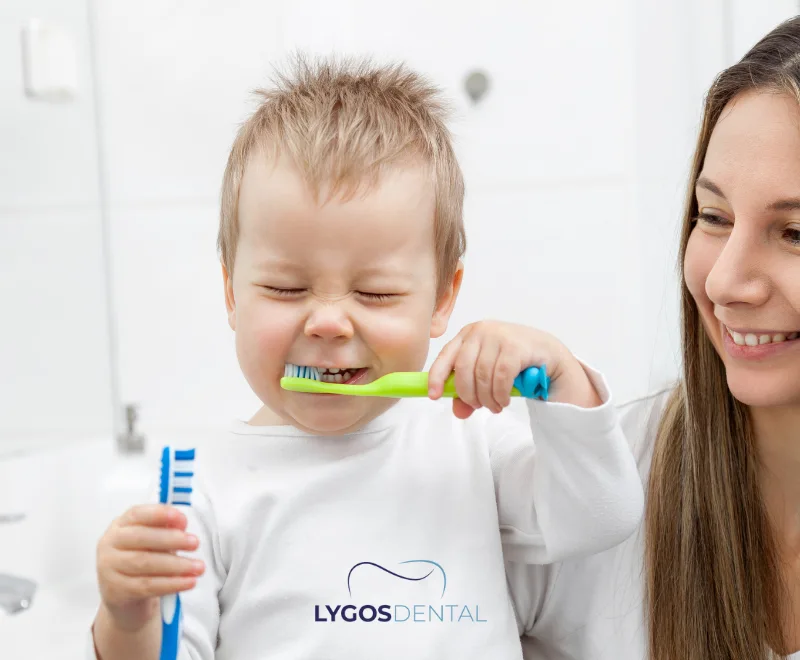
Begin oral care before your child can even brush. Wipe the gums with a clean, damp gauze or soft cloth after feedings if you like, and start cleaning as soon as the first tooth appears (often around 6–10 months). Early routines make brushing feel normal and lower cavity risk.

Brushing removes plaque, the sticky film that feeds cavity-causing bacteria. Young children need hands-on help, so plan to brush for them or with them until they can reliably spit and brush well on their own.
Use fluoride toothpaste, but keep the amount small. For children under 3, use a smear the size of a grain of rice. From 3 to 6, use no more than a pea-sized amount. Always supervise brushing and store toothpaste out of reach.
Cavities are not caused by sugar alone—it’s the frequency and timing that matter. Sipping sweet drinks over long periods or having sugary snacks right before sleep keeps acids on the teeth for hours.
Put your child to bed with water only. Milk, formula, juice, and sweetened drinks can pool around the teeth during sleep, raising the risk of early childhood cavities—especially on the upper front teeth.
Schedule the first dental visit within six months of the first tooth erupting, and no later than your child’s first birthday. These early visits focus on prevention: checking development, spotting early white marks, and helping you fine-tune brushing and diet.

Some children benefit from added protection, depending on diet, enamel strength, and cavity risk. Your dentist may suggest:
Brush erupted teeth twice daily with fluoride; avoid bedtime bottles; limit sugar.
Brush 2 minutes twice daily and see dentist twice yearly.
Frequent sugary, sticky foods like candy and cookies cause the most decay.
Frequent sugars, bedtime milk/juice, and inadequate fluoride brushing commonly drive toddler cavities.
You cannot prevent cavities 100%; minimize risk with fluoride brushing, flossing, less sugar, checkups.
