![Nutritional Recommendations During the Teething Period]()
Nutritional Recommendations During The Teething Period
During teething, many babies eat less because sore gums make chewing uncomfortable. Offer soft, nutrient-dense foods, add cool options like yogurt or chilled purées for comfort, and keep milk feeds consistent. Avoid choking hazards and sugary snacks. If your baby has a fever (38°C/100.4°F or higher) or persistent diarrhea, contact a pediatrician.
Why Nutrition Matters During Teething
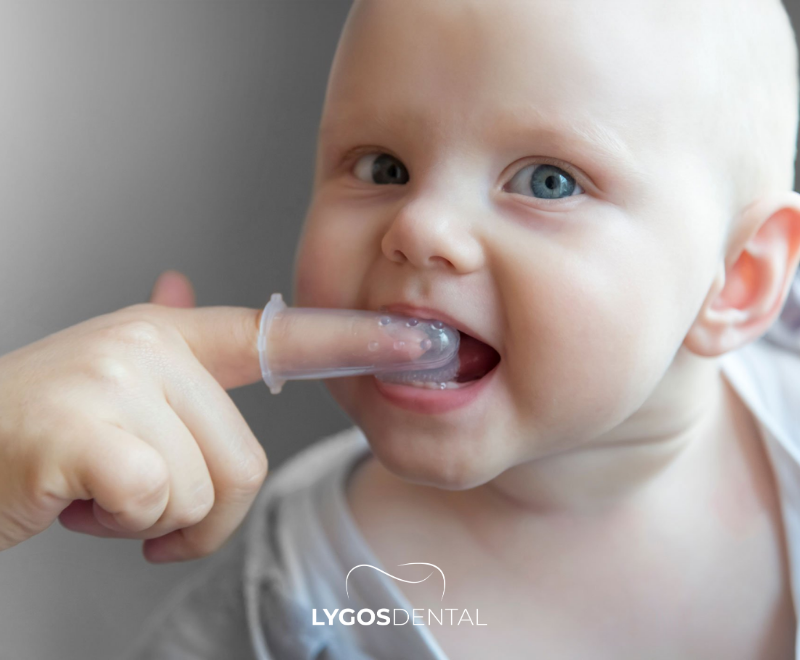
Teething can bring drooling, gum tenderness, and extra fussiness. Appetite often dips, which can worry parents. The goal is to keep your baby comfortable while still meeting daily needs for energy, protein, iron, and calcium.
When Does Teething Usually Start?
Many babies begin teething between 4 and 7 months, but earlier or later can still be normal. The first teeth are often the lower front teeth, followed by the upper front teeth. New teeth may continue to appear until around 2½ to 3 years.
Common Signs Of Teething
You may notice one or more of the following:
- More drooling than usual
- Red, tender gums where a tooth is coming through
- Chewing on hands or toys
- Irritability or disrupted sleep
- Temporary changes in feeding patterns
Some symptoms that parents often attribute to teething—such as high fever or significant diarrhea—usually point to another cause. If you are unsure, it’s safer to check with your child’s clinician.
Best Foods During Teething

Choose foods that are soft, easy to swallow, and rich in nutrients. If your baby is on solids, these options are commonly well tolerated:
- Vegetable and fruit purées (smooth texture, easy to eat)
- Plain yogurt (cool and gentle on gums)
- Mashed banana (soft, filling, and easy to digest)
- Well-cooked vegetables like zucchini, carrot, or potato (mashed or finely chopped)
- Soft cheese or cottage cheese (calcium and protein, if dairy is tolerated)
Soothing, Cool Options For Sore Gums
Cool temperatures can reduce gum discomfort. Use chilled—not rock-hard frozen—foods, and always supervise during feeding.
- Cold yogurt or chilled purée served with a spoon
- Chilled fruit purée (pear or banana are often gentle choices)
- A clean, chilled teething ring or cold washcloth to chew (not tied around the neck)
- Breast milk or formula feeds as usual; slightly cool milk may feel soothing for some babies
Foods To Avoid During Teething
During teething, avoid foods that increase choking risk, irritate sensitive gums, or add unnecessary sugar.
- Hard pieces of food (raw apple slices, raw carrot sticks, popcorn, nuts)
- Sticky foods that cling to teeth (gummy sweets)
- Sugary snacks and sweetened drinks that raise cavity risk
- Honey before 12 months (risk of infant botulism)
- Highly acidic foods if they cause obvious mouth irritation (for example, citrus)
Hydration During Teething
Drooling can be heavy during teething, so hydration matters. Breast milk or formula should remain the main source of fluids. After 6 months, small sips of water can be offered with meals, based on your pediatrician’s guidance.
Skip sugary juices and sweetened compotes. If you offer fruit, whole fruit or unsweetened purée is usually the better choice.
Practical Feeding Tips For Parents
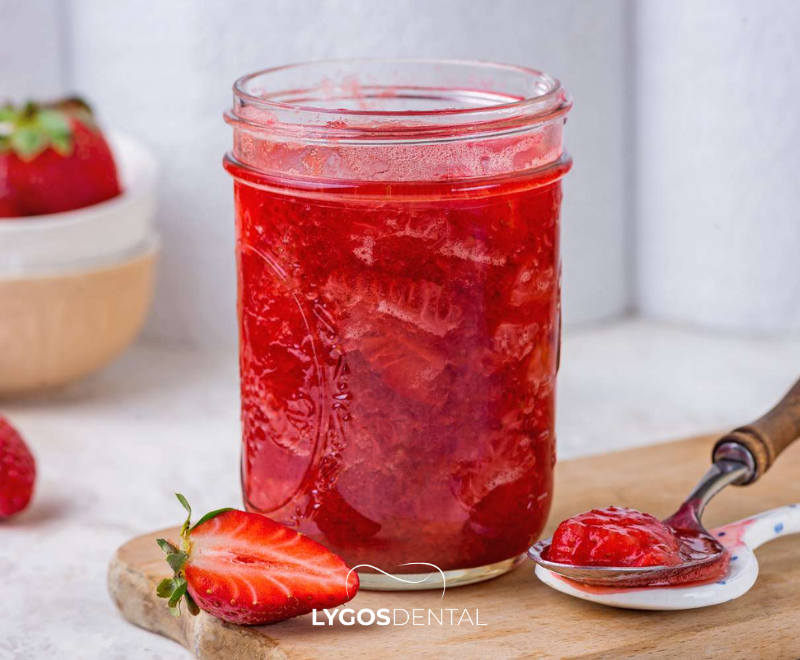
- Offer smaller, more frequent meals if appetite is low.
- Prioritize texture: smooth, mashed, or finely chopped foods are often better tolerated.
- Serve foods lukewarm or cool if warm foods seem to irritate gums.
- Stay with your baby during meals to reduce choking risk.
- Keep oral hygiene gentle: wipe gums and emerging teeth with a soft, clean cloth.
When To Call A Pediatrician
Seek medical advice if your baby has a temperature of 38°C (100.4°F) or higher, shows signs of dehydration, has ongoing diarrhea or vomiting, refuses most feeds, or seems unusually sleepy or difficult to settle. These signs should not be assumed to be “just teething.”
Nutritional Recommendations During the Teething Period Frequently Asked Questions (FAQ)
Is it normal for babies to eat less while teething?
Yes. Gum tenderness can make chewing uncomfortable. Offer soft foods, keep milk feeds consistent, and try smaller meals more often. Appetite usually returns once discomfort eases.
Which fruits are best for teething babies?
Gentle, softer fruits like banana and pear often work well. Serve them mashed or as a smooth purée. If you try apple, cook and mash it rather than offering hard slices.
How many meals should a teething baby have?
There’s no single number that fits every baby. If intake drops, aim for smaller, frequent meals and focus on nutrient-dense choices rather than pushing large portions.
Why does hydration matter so much during teething?
Babies can drool a lot, and some drink less when they are uncomfortable. Breast milk or formula remains most important, and after 6 months you can offer small sips of water with meals.
Is fever part of teething?
Teething can coincide with a slight temperature change, but a true fever—38°C (100.4°F) or higher—should be treated as a sign of illness until a clinician says otherwise.


 Blog
Blog