
Jul 17, 2025
7 Factors That Damage Your Gum Health
In this article, we will examine in detail the 7 factors that damage your gum health.…
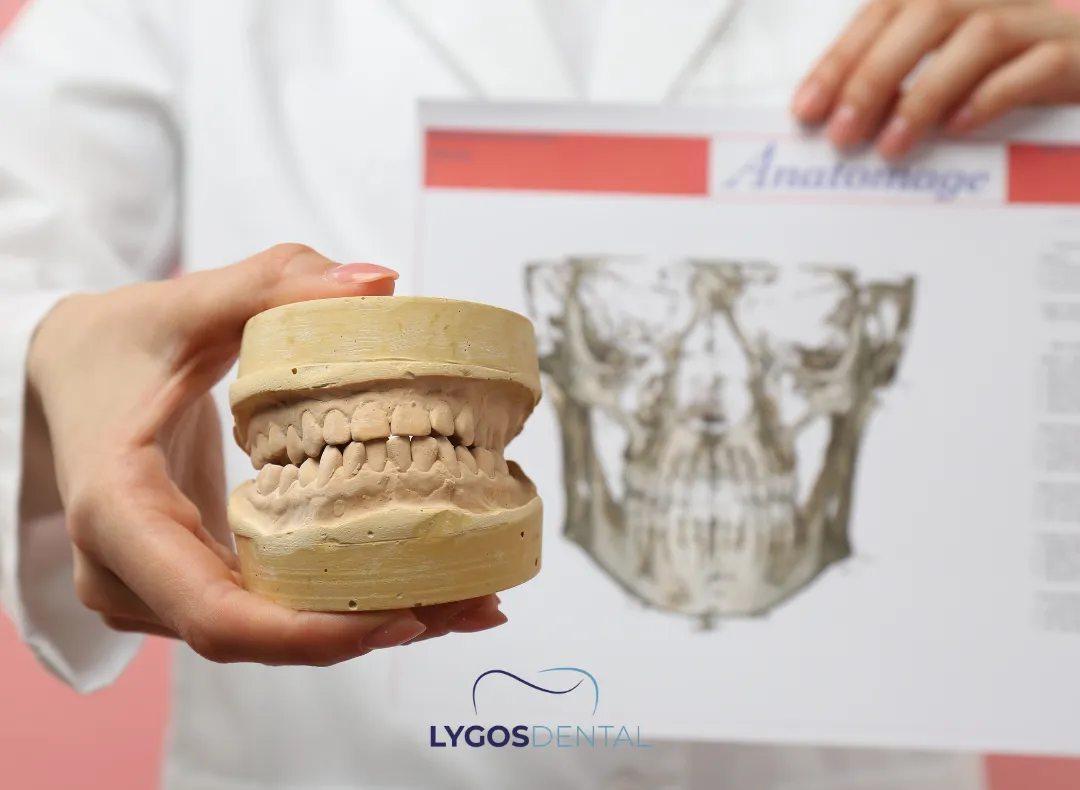
Oral and maxillofacial surgery is a fascinating and essential branch of healthcare that addresses a wide range of conditions affecting the face, jaw, mouth, and teeth. This surgical specialty combines the precision of dentistry with the expertise of medical surgery, offering solutions for everything from impacted wisdom teeth to complex facial reconstructions.
If you’ve ever wondered about procedures like jaw realignment, treatment for facial trauma, or even dental implants, oral and maxillofacial surgery is at the forefront of these advancements. In this article, we’ll delve into the details of what oral and maxillofacial surgery entails, its risks and benefits, costs, and when you might need to see a specialist.
Oral and maxillofacial surgery (often shortened to OMFS) focuses on diagnosing and surgically treating conditions of the face, jaws, mouth, teeth, and surrounding tissues. Many surgeons complete both dental training and advanced surgical training, which is why they may handle problems that are too complex for routine dental care.

Oral and maxillofacial surgeons manage both functional and medically urgent problems, as well as planned corrective care. Common reasons people are referred include:
The exact treatment plan depends on your diagnosis, imaging findings, and overall health. For major jaw surgery or trauma care, planning may include 3D imaging, virtual surgical planning, and coordination with orthodontic treatment.
Every procedure has trade-offs. A good consultation should cover why surgery is recommended, what alternatives exist, and what recovery will realistically look like for your situation.
Your surgeon will explain how these risks apply to your specific procedure, and what steps are used to reduce them (sterile technique, careful planning, medication guidance, and follow-up care).
Costs vary widely by country, clinic setting, complexity, imaging needs, and whether anesthesia or a hospital stay is required. Many insurance plans cover procedures that are medically necessary, such as trauma repair, infection management, tumor removal, and jaw surgery performed to correct function or breathing. Cosmetic-only procedures are less likely to be covered.
As a general guide, wisdom tooth removal and surgical extractions can range from a few hundred dollars to several thousand depending on complexity, location, and anesthesia fees. Dental implant treatment is usually quoted as a package that may include the implant, abutment, and crown. If you are comparing quotes, ask what is included, what imaging is needed, and whether bone grafting may be required.
Before booking surgery, request a written estimate and ask your insurer what documentation they need (diagnosis codes, pre-authorization, and proof of medical necessity where relevant).
Start with referrals from your general dentist, orthodontist, or primary care clinician. When narrowing your options, focus on experience with your specific procedure and the quality of the consultation.
In the United States, some surgeons also hold certification through the American Board of Oral and Maxillofacial Surgery (ABOMS).
Seek urgent care if you have any of the following:
For non-urgent concerns—like wisdom tooth pain, recurring jaw clicking with discomfort, or a mouth sore that does not heal—book an evaluation. Early assessment often leads to simpler treatment.
How long is recovery?
Recovery depends on the procedure. Simple extractions may improve within a few days, while jaw surgery and trauma repair can take weeks. Your surgeon will give a timeline based on your plan.
Will it hurt?
You should not feel pain during the procedure due to anesthesia or sedation. Afterward, soreness is expected, but it is usually manageable with the plan your surgeon provides.
How do I prepare?
Follow your pre-op instructions closely. They may include fasting, arranging transport home, reviewing medications, and planning soft foods and time off work or school.
Are oral and maxillofacial surgeons dentists?
Many are dentists with advanced surgical training, and some also have medical degrees. Training pathways vary by country.
Is it covered by insurance?
Coverage depends on your plan and the reason for treatment. Medically necessary procedures are more commonly covered than cosmetic-only care.
