
Oct 10, 2025
Porcelain Veneers in Turkey vs Spain | LYGOS DENTAL
Porcelain veneers are a method preferred by many for both aesthetic and functional reasons. Countries like…
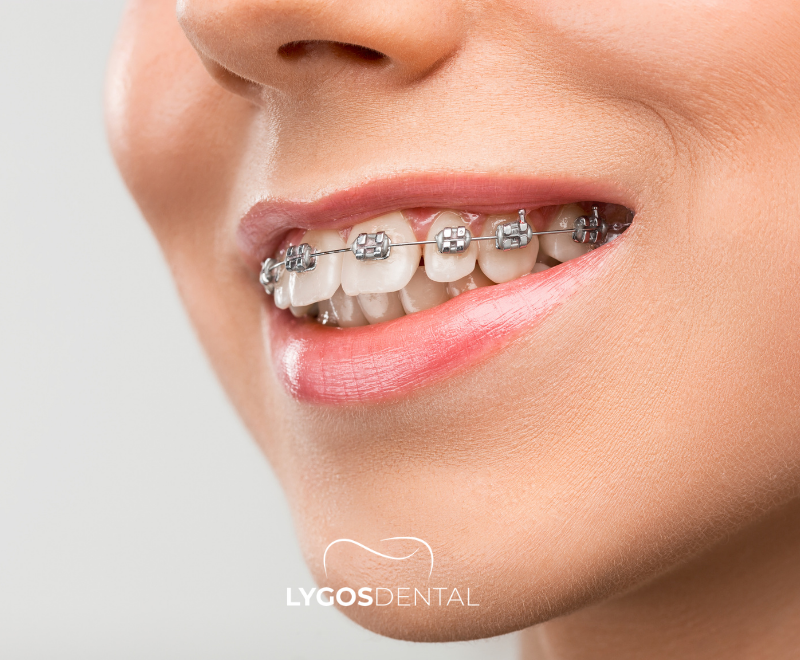
Orthodontics is the dental specialty that corrects crooked teeth and bite problems by gently moving teeth and guiding jaw growth. Treatment may use braces, clear aligners, expanders, and retainers. Beyond appearance, orthodontics can improve chewing, speech, and long‑term gum and tooth health when paired with good oral hygiene and follow‑up care.
Orthodontics is a dental specialty focused on diagnosing, preventing, and correcting misaligned teeth and jaws. A well-aligned bite can make daily tasks like chewing and speaking easier, and it can also help reduce uneven tooth wear. Modern treatment options range from traditional braces to nearly invisible aligners, with plans tailored to the person’s bite and lifestyle.
Orthodontists treat tooth and jaw alignment problems (often called malocclusions). These issues can be mild, like minor crowding, or more complex, like jaw discrepancies that affect the bite.
Common reasons people seek orthodontic care include:
Braces use brackets and wires to apply steady pressure, moving teeth into better positions over time. They’re a reliable option for many bite concerns, including more complex cases.
Common types include metal braces and tooth-colored ceramic braces.
Clear aligners are removable trays that gradually shift teeth. They can be a good fit for people who want a less noticeable option and can wear aligners consistently as directed.
Invisalign® is one well-known brand, but treatment costs and suitability depend on the case.
Lingual braces are attached to the back of the teeth, making them harder to see. They can be effective, but they often cost more and may take longer to get used to than front-facing braces.
Expanders widen the upper jaw to create space and improve the way the upper and lower teeth fit together. They’re most common in children and early teens, when the jaw is still developing.
Retainers help hold teeth in their new positions after active treatment ends. They’re a key part of preventing relapse, whether treatment used braces or aligners.
Orthodontic treatment is usually straightforward, but it works best when it’s paired with good hygiene and regular follow-ups.
An orthodontist can reduce risks by planning treatment carefully and explaining how to protect your teeth and appliances between visits.
An orthodontic expander (often called a palatal expander) is designed to widen the upper jaw and create room in the dental arch. It’s often used for crowding, narrow arches, and certain types of crossbite.
There are two common approaches: fixed expanders that are attached to teeth and adjusted over time, and removable expanders that fit more like a retainer. Your orthodontist will recommend the most appropriate type based on age, growth stage, and the bite problem being treated.
True orthodontic emergencies are uncommon, but appliance problems and injuries can make it hard to eat or sleep and can slow progress if left untreated.
Contact an emergency orthodontist near you if you notice:
If you think a piece has been inhaled, or there is heavy bleeding or facial trauma, seek urgent medical care first and then contact your orthodontist.
Orthodontic fees vary based on the type of appliance, how complex the bite correction is, where you live, and how long treatment is expected to take. Insurance coverage and payment plans can also change the final out-of-pocket cost.
Many clinics quote a total treatment fee rather than a per-visit price. In the U.S., common ranges are:
A consultation is the best way to get an accurate estimate. Ask what’s included (records, retainers, emergency visits, and refinements) and whether financing is available.
Orthodontic treatment is typically provided by orthodontists, who complete additional specialty training after dental school and focus on tooth and jaw alignment.
Some general dentists also offer certain orthodontic services, such as clear aligner therapy. For complex bite issues or jaw concerns, a dedicated orthodontist is usually the right starting point.
Orthodontics can help children, teenagers, and adults. The best time to start depends on the problem being treated, growth stage, and overall oral health.
Many children benefit from an early orthodontic evaluation, even if treatment isn’t needed right away. Early checks can identify crowding, crossbites, and jaw-growth patterns before they become harder to correct.
Teen years are a common time to begin treatment because most permanent teeth are in place while growth is still happening. Braces or aligners can correct alignment and bite issues during this stage.
Adults can also straighten teeth successfully. Clear aligners and other modern options make treatment more discreet, and many plans are designed around work and family schedules.
Look for a provider who explains your diagnosis clearly, outlines more than one treatment option when appropriate, and is transparent about costs.
Helpful things to compare:
Retention is what protects your result. Teeth can drift over time, especially in the first year after treatment ends.
Wear retainers as prescribed, keep up with brushing and flossing, and continue regular dental cleanings. If a retainer no longer fits, contact your orthodontist promptly so small shifts don’t turn into a larger relapse.
Diagnoses and corrects misaligned teeth and jaws using braces, aligners, and appliances.
Orthodontics cannot regrow gums, but tooth repositioning may reduce recession risk.
Orthodontics is the dental specialty; braces are one common orthodontic treatment.
The ideal first orthodontic evaluation is age 7; treatment timing varies by need.
Orthodontics can correct many overbites using braces, aligners, elastics, or surgery.
Pros: better bite, aesthetics, hygiene; cons: cost, discomfort, time, and temporary dietary limits.
