
Feb 28, 2025
Steve Harvey Dental Aesthetic
Steve Harvey, a household name in the world of entertainment, is not just known for his…
Orthodontic treatment during adolescence is often faster and more predictable because the jaws are still growing and most permanent teeth have erupted. Treatments like braces or clear aligners can improve bite function, support easier cleaning, and boost confidence. Many teens begin between ages 10 and 14, while an early orthodontic evaluation is commonly recommended around age 7.
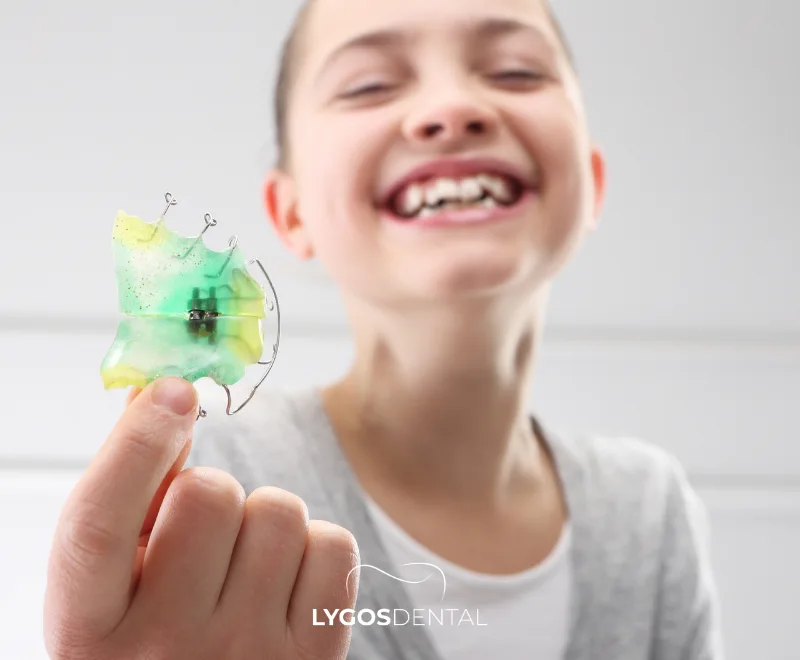
Adolescence is a high-growth period for the jaws and face. When orthodontic problems are addressed at this stage, tooth movement can be more efficient and the results are easier to stabilize.
Orthodontic care is not only about aesthetics. Correcting alignment and bite issues can also support clearer speech, more comfortable chewing, and better long-term gum and tooth health.
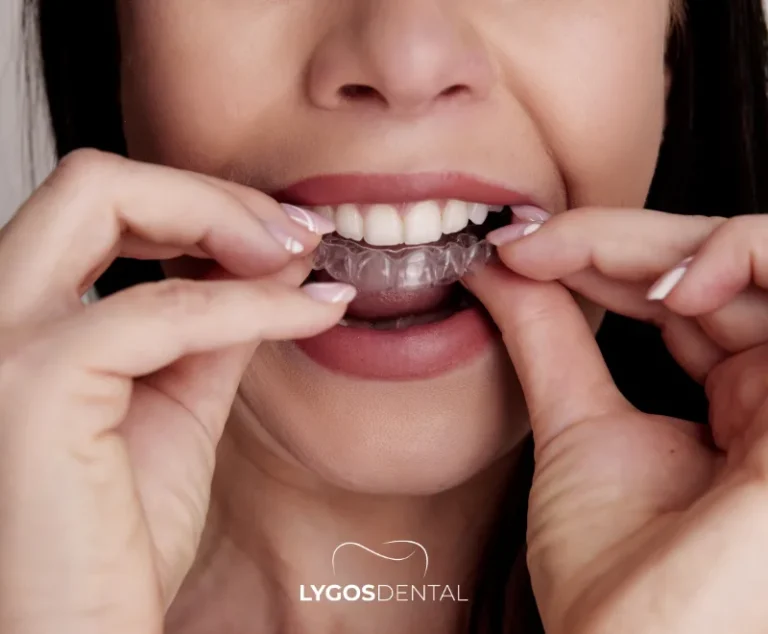
Metal braces remain one of the most effective options for a wide range of bite and alignment problems. Brackets and wires apply gentle, controlled forces that move teeth into healthier positions over time.
Ceramic braces work like metal braces, but use tooth-colored brackets that are less noticeable. They can be a good choice for teens who want a subtler look while still needing the control braces provide.
Lingual braces sit behind the teeth, so they are not visible from the front. They may suit select cases, though they often require a specialist with specific training and can take some time to get used to.
Clear aligners use a series of custom trays to gradually guide teeth into position. They are removable, which can make eating and brushing easier, and many teens like the low-visibility design.
Success depends heavily on daily wear time. Some teen systems include wear indicators that help the orthodontic team and parents track whether the aligners are being used as prescribed.
For many adolescents, comprehensive orthodontic treatment begins between ages 10 and 14, when most permanent teeth are present and jaw growth is still active. That said, timing is not identical for every child.
Many orthodontic associations advise an initial orthodontic evaluation around age 7. This does not mean treatment must start immediately, but it helps identify developing concerns early and plan the best window for intervention.
Treatment length depends on the complexity of the bite and alignment, the type of appliance used, and how consistently the teen follows instructions. Many plans fall in the 12–30 month range, though shorter or longer timelines are possible.

Retention is a critical part of orthodontic care. Teeth naturally try to drift back toward their old positions, especially in the first year after active treatment.
Good brushing and flossing habits should continue after treatment. If teeth grinding (bruxism) is an issue, a dentist or orthodontist may suggest a night guard to protect teeth and retainers.
It’s normal to feel pressure or mild soreness after braces are placed or adjusted, or when switching to a new aligner tray. The discomfort usually settles within a few days. Soft foods, good hygiene, and orthodontist-approved pain relief can help if needed.
Not always. Some orthodontic plans begin earlier, especially when jaw growth guidance is helpful. Many comprehensive teen treatments start once most permanent teeth have erupted, but your orthodontist will decide based on development and the specific problem.
In many mild to moderate cases, clear aligners are an option. For more complex crowding or bite correction, braces may offer better control. A consultation is the best way to match the method to the case.
Most teens adapt quickly. Mouthguards can protect braces during contact sports, and orthodontic wax can reduce irritation. If a teen plays a wind instrument, there may be a short adjustment period while the lips and cheeks get used to the brackets.
Braces do not cause decay on their own, but they can trap food and plaque if cleaning is inconsistent. Careful brushing, interdental cleaning, and regular dental visits reduce the risk.
Orthodontic treatment can work at any age, but teen treatment may be faster because growth can be used to guide development. Adults may need longer treatment times, and certain jaw issues may be harder to correct without more complex options.

Steve Harvey, a household name in the world of entertainment, is not just known for his…
 Blog
Blog
What Should Your Daily Oral Hygiene Routine Look Like? Brush for two minutes twice daily with…
One of the most remarkable developments is Dental Treatments with CAD/CAM Technology. Thanks to advanced computer-aided…