
Mar 13, 2025
What is Surgical Tooth Extraction
Oral health has a significant impact on overall health, and if dental issues are not addressed…
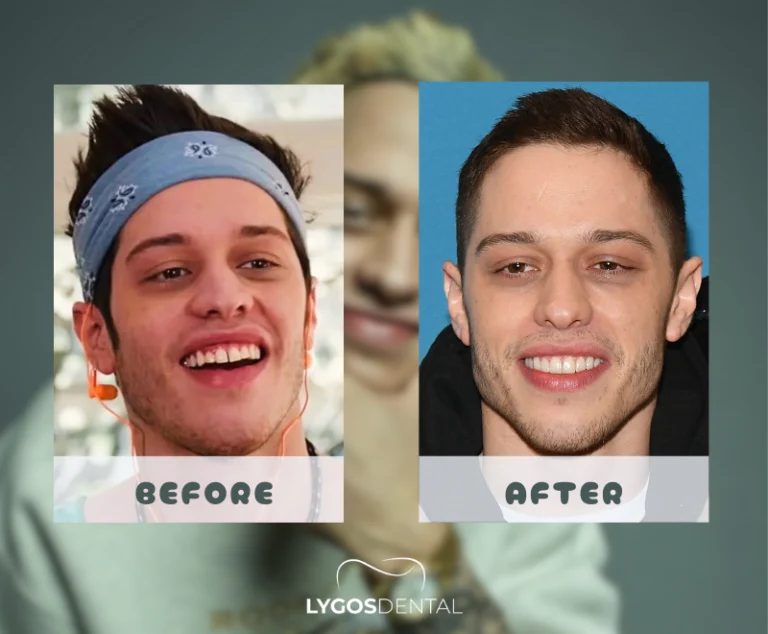
Pete Davidson’s teeth look noticeably brighter and more even in recent public appearances than they did early in his career. While he hasn’t publicly confirmed veneers, the change matches what cosmetic dentists often achieve with whitening, bonding, alignment, or porcelain veneers. If you’re considering a similar smile upgrade, understanding the options, costs, and risks matters more than copying a celebrity look.
Pete Davidson is an American comedian and actor best known for his years on Saturday Night Live and for stand-up specials, films, and TV roles. He’s also been a regular topic in entertainment media because of his high-profile relationships and very candid style in interviews. Over time, fans have also noticed changes in his appearance, including his smile.
Pete Davidson has not released a detailed public statement confirming veneers. That said, entertainment coverage and dental commentary online point to a visible shift: his teeth appear straighter, more uniform, and whiter in more recent photos. A change like that can come from veneers, but it can also be achieved with orthodontics, professional whitening, or a mix of cosmetic treatments.

In earlier appearances, his teeth looked natural with slight unevenness, small spacing, and a softer shade. Nothing about that is unusual—most natural smiles have small imperfections that show up under bright studio lighting.
More recent images show a brighter color, smoother edges, and a more consistent shape across the front teeth. Those are common goals of cosmetic dentistry, especially when someone spends a lot of time on camera.
A celebrity-style smile makeover is rarely a single treatment. Dentists often combine a few options depending on tooth shape, bite, and enamel health.
Veneers are thin shells bonded to the front surface of teeth to improve color, shape, and minor alignment. They’re typically used on the most visible teeth (often the upper front teeth) and are custom-designed to suit the face and lip line. Because tooth preparation is sometimes required, veneers are a long-term commitment that should be planned carefully.
Whitening can dramatically brighten natural teeth, especially when discoloration comes from coffee, tea, smoking, or age-related staining. Whitening is less invasive than veneers, but it won’t change tooth shape or correct spacing.
Composite bonding uses tooth-colored resin to repair small chips, close minor gaps, or refine edges. Contouring reshapes enamel in small amounts to smooth or balance tooth edges. These options can look very natural, although bonding typically stains and wears faster than porcelain.
If alignment is a main issue, clear aligners or braces can be the healthiest way to straighten teeth before any cosmetic finishing. Many smile makeovers start with alignment so less tooth structure needs to be altered later.
If veneers are part of the look you want, material choice matters for durability, translucency, and how natural the result appears.
Porcelain veneers are popular because they can mimic natural enamel’s translucency and resist staining. Lithium disilicate ceramics (often marketed as E.max) are widely used for highly aesthetic cases, especially for front teeth.
Composite veneers and bonding are applied with resin that is shaped directly on the tooth or fabricated indirectly. They’re usually more affordable and easier to repair, but they tend to stain and chip more easily over time than porcelain.
Zirconia is very strong and can be useful in cases where extra durability is needed. Because it is more opaque than other ceramics, it’s typically selected carefully to avoid a flat, overly bright look.
Lighting, cameras, and professional grooming can exaggerate changes in a smile. Even so, the most discussed differences in Pete Davidson’s smile are the shade (brighter), the edges (more even), and the overall symmetry. Those are exactly the areas cosmetic dentistry targets, whether through veneers or more conservative treatments.
Turkey is a popular destination for cosmetic dentistry because prices can be lower than in the US or UK and many clinics offer bundled travel-style packages. Costs vary by city, clinic, and material, and quotes often depend on how many teeth are included in the treatment plan.
Publicly advertised prices commonly fall in the low hundreds per tooth for composite, with porcelain and ceramic options higher. Always treat online price lists as starting points—your plan should be based on a clinical exam, X-rays, and bite analysis.
Ask what preparation is planned (minimal-prep veneers vs crowns), what material is used, and whether you will receive a trial smile or temporary veneers. Confirm who will do the treatment, what the warranty terms are, and how follow-up care is handled if you develop sensitivity, gum inflammation, or bite problems after travel.
Any veneer or crown work changes your teeth permanently. The biggest long-term issues usually come from aggressive tooth reduction, rushed planning, or a bite that isn’t balanced. Choose clinics that document your case carefully, explain alternatives, and build in time for adjustments.
Yes; he said he bought veneers in a 2020 Vanity Fair interview.
Yes; he publicly said he has veneers.
Yes; he said he bought veneers.
No; he said he bought veneers.
Yes; he posted his wisdom teeth were out in July 2018.
