
Jun 11, 2025
What Is an Ectopic Tooth?
So, what is an ectopic tooth and why does it occur? This abnormality in tooth positioning…
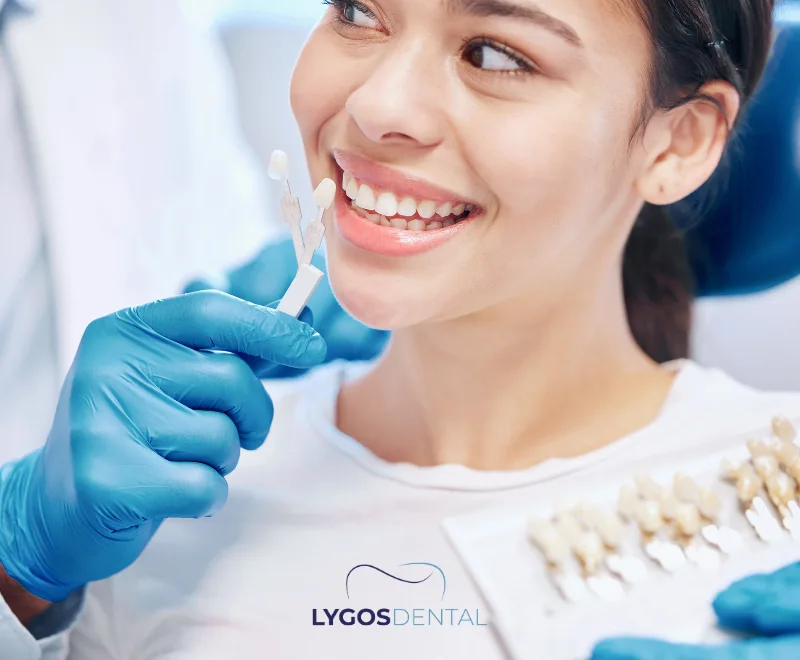
Turkey and Germany can both deliver natural-looking porcelain veneers when the case is planned well and high-quality labs are used. The difference is usually cost and logistics: Turkey often offers lower prices and faster scheduling, while Germany is known for tightly regulated workflows and local follow‑up. Your best choice depends on your budget, timeline, and aftercare plan.
Porcelain veneers are a popular option for smile makeovers because they can improve color, shape, and symmetry without orthodontics in mild cases. Still, veneers are a medical procedure, not a quick cosmetic purchase. A careful assessment (bite, gum health, enamel thickness, and habits like grinding) matters as much as the country you choose.
Porcelain veneers are thin ceramic shells bonded to the front surface of teeth. They are typically custom-made by a dental laboratory and require precise planning so the final result looks natural and feels comfortable.
Veneers are not always the right first choice. If you have active gum disease, untreated decay, severe bite issues, or significant teeth grinding, you may need other treatments before veneers are considered.
Turkey is a well-known destination for dental tourism, especially in Istanbul, Izmir, and Antalya. Many clinics are experienced in treating international patients and often package dentistry with accommodation and transfers.
Germany is known for structured clinical protocols and strong dental laboratory networks. For many patients, the biggest advantage is convenience for follow-up appointments and long-term maintenance close to home.
Because veneers are usually classed as elective aesthetics, patients often pay out of pocket. Some supplementary dental insurance plans may reimburse part of the cost, depending on the policy.
Exact fees vary by city, dentist experience, laboratory choice, and the complexity of your case. As a practical range:
A quote should itemize what’s included (consultation, imaging, temporary veneers, lab fees, adjustments, and follow-up). Cheapest is rarely best in cosmetic dentistry—fit, bite, and edge design matter more than a headline price.
In both Turkey and Germany, many reputable clinics use internationally recognized ceramic systems and modern digital workflows. The bigger variables are the planning standards, the quality control of the laboratory work, and the time spent on aesthetics and bite adjustments.
Both countries can deliver excellent outcomes when the provider is experienced and the case is planned conservatively. Use these decision points to narrow your choice:
If you travel for veneers, allow enough time for try-ins and adjustments, and avoid rushing the final cementation. Ask for pre‑ and post‑treatment photos, written material details, and a copy of your treatment plan for your dentist at home.
If you’re exploring porcelain veneers, a short consultation and a clear treatment plan are the best starting point. You can also ask about related treatments such as dental crowns, implants, or general dentistry services.
€800–€2,000 per porcelain veneer in Germany.
₺7,000–₺26,400 per porcelain veneer in Turkey.
No single country; quality depends on dentist skill, lab, materials, and regulation.
Typically 10–15 years; many last 15–20 with excellent care.
Usually mild with local anesthesia; temporary sensitivity and soreness are common.
