
Feb 7, 2025
Candice Swanepoel Teeth Veneers | LYGOS DENTAL
Candice Swanepoel is known for her stunning beauty, including her flawless smile. To enhance her appearance,…
Post-dental implant care is about protecting the surgical site while the implant bonds with your jawbone. For the first 24 hours, control bleeding with gentle gauze pressure, use cold compresses, and avoid rinsing, spitting, straws, and smoking. Over the following weeks, keep the area clean, choose soft foods, take prescribed medication, and attend follow-ups.
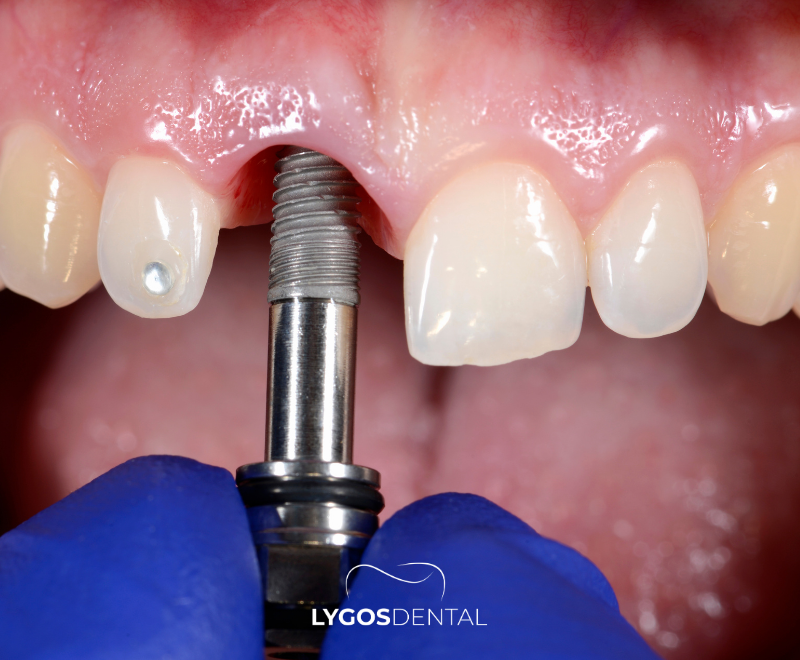
A dental implant is a titanium post placed in the jawbone to replace a missing tooth root. After it heals and becomes stable, a crown (or another restoration) is attached on top to restore chewing function and appearance.
Implants can be a long-lasting solution, but the result depends heavily on how well the area heals in the weeks and months after surgery.
Swelling, mild bleeding, and soreness are common early on. The goal in this phase is simple: protect the blood clot, keep the area calm, and follow your clinic’s instructions.
Light bleeding or oozing can happen during the first day. Bite down gently on gauze as instructed and replace it if needed. If bleeding becomes heavy or won’t settle, contact your dentist or surgeon.
Swelling often peaks within the first couple of days. Cold packs on the outside of the face can help during the early period, especially on day one. Keep sessions short and give your skin breaks.
Take pain relief exactly as advised. If you were prescribed antibiotics or an antiseptic rinse, use them on schedule. If pain worsens rather than improves after a few days, get checked.
Take it easy for the first couple of days. Avoid strenuous exercise, heavy lifting, and anything that raises your heart rate too much, since this can increase bleeding and swelling.
For the first 24 hours, many clinics advise avoiding anything that can disturb healing, such as vigorous rinsing, spitting, drinking through a straw, and smoking. Skip very hot drinks and alcohol during early recovery, especially if you’re taking medication.
After placement, the implant needs time to fuse with the jawbone (osseointegration). A typical healing window is around 3 to 6 months, though timing can vary based on bone quality, implant location, and personal health factors.
During this period, your dentist may schedule follow-ups to monitor healing and plan the next step (such as fitting the crown). Keep those appointments even if you feel fine.
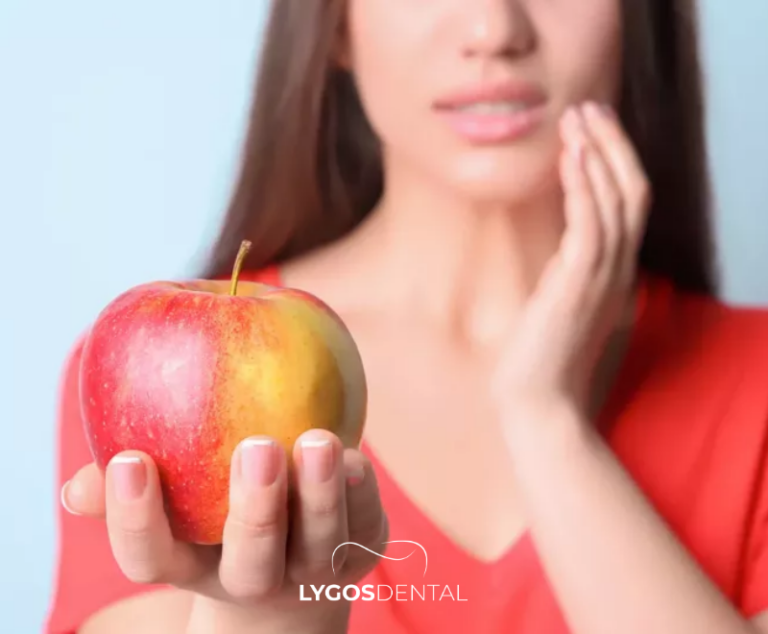
Food choices can either protect the site or irritate it. Aim for soft, nourishing meals and avoid chewing directly on the surgical side until your dentist says it’s safe.
Stick with liquids and very soft foods. Many post-op instructions recommend a soft or liquid diet at first, then a gradual return as comfort improves.
Good options:
Choose soft foods and avoid anything hard, crunchy, sticky, or spicy. Some guidance suggests keeping meals soft for at least a week while tissues settle.
Drink plenty of water. Avoid alcohol early on, especially with pain medication.
Cleanliness matters, but early on you need a gentle approach. Your dentist may give instructions that differ based on stitches, bone grafts, or how the implant is positioned.
Continue brushing the rest of your teeth carefully. For the implant area itself, some hospitals advise not brushing directly over the surgical site for about a week, using an antiseptic (chlorhexidine) mouthwash instead if recommended.
Use a soft toothbrush and avoid aggressive scrubbing near stitches. Once your dentist gives the green light, clean around the implant daily using gentle brushing and interdental cleaning.
Many post-op instructions recommend avoiding rinsing for the first 24 hours, then starting gentle rinses after that. This may be warm salt water or a recommended mouthwash, depending on your dentist’s plan.
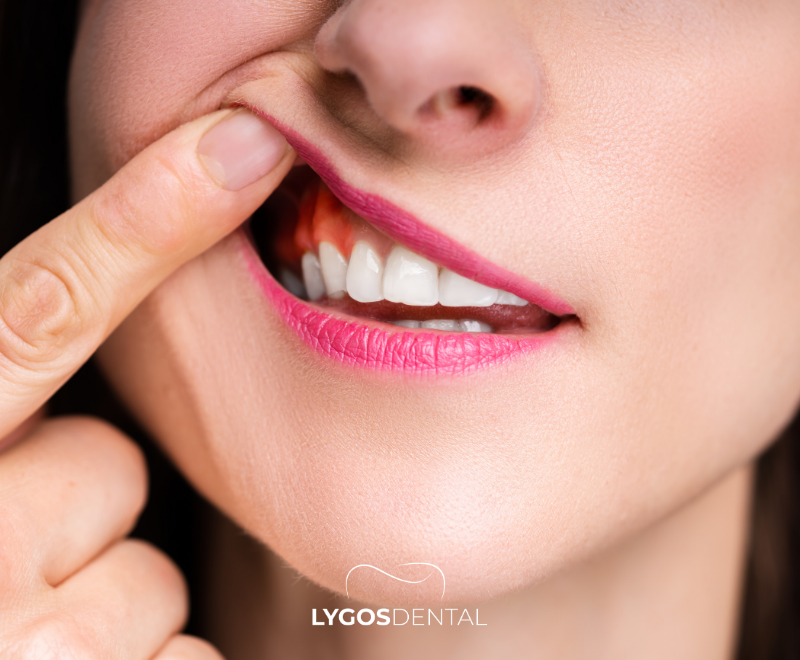
Smoking is strongly linked with slower healing and higher complication risk. If you smoke, the best move for healing is to stop completely, or at least avoid smoking throughout the critical early healing window.
Alcohol can interfere with healing and is often discouraged in the early days, especially if you’re taking post-op medication.
Some discomfort is normal. These signs deserve a call:
When in doubt, check in. Early treatment prevents small issues from becoming bigger ones.
Daily care starts immediately and continues for life, like caring for natural teeth. The main surgical healing and bone bonding phase often takes about 3 to 6 months.
Most people start with soft foods and progress gradually. Many providers suggest staying on softer foods for at least the first week and avoiding chewing directly on the implant site until advised.
Soreness usually improves over several days. If pain is severe, worsening, or not improving, contact your dentist for an assessment.
It’s best not to. Smoking can slow healing and raise the risk of complications and implant failure.
Brush twice daily, clean between teeth, and attend regular professional check-ups. Your dentist may recommend specific tools (interdental brushes, implant-safe floss) based on the type of restoration.
