
Jul 11, 2025
Emax Veneers Durability
In this article, we will explore the emax veneers durability in detail and explain why they…
Tooth sensitivity after tartar cleaning is usually temporary. Once tartar is removed, cold air, drinks, and brushing can reach areas that were previously covered, especially near the gum line. Most people feel improvement within 24–72 hours, and symptoms typically settle within a week with gentle care.
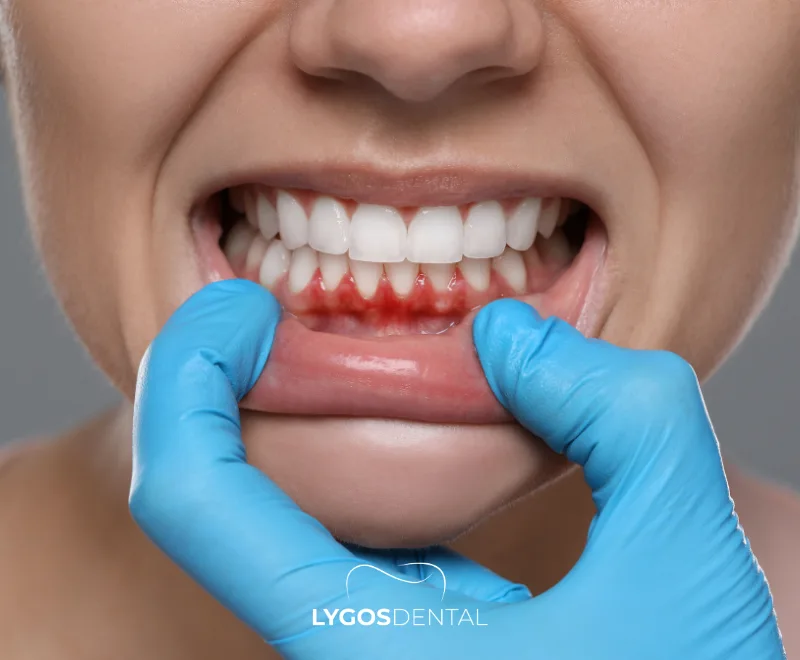
A professional tartar clean (often called scaling and polishing) removes hardened plaque from the tooth surface and around the gum line. When that buildup is gone, teeth and gums can feel “exposed” for a short time. Sensitivity is more noticeable if there was heavy tartar, bleeding gums, or existing recession.
Yes. Mild gum tenderness, a tingling feeling, or slight bleeding when you brush can happen after a thorough clean. Your gums may have been inflamed before the appointment, and they can feel tender as they settle down. Most people notice improvement within the first couple of days.
For most patients, sensitivity fades within 24–72 hours. It can last up to a week if there was heavy tartar, significant inflammation, or a deep clean below the gum line. If discomfort is getting worse, or you still have sharp pain after a week, it’s worth contacting your dentist.

The first day or two are when teeth are most reactive. A few small adjustments can make a big difference.
If your symptoms are mild, home care is usually enough. The goal is to protect the tooth surface, keep gums calm, and avoid triggers while your mouth recovers.
Ask About Fluoride Or Desensitizing Treatments: If sensitivity is frequent, your dentist can apply fluoride varnish or a desensitizing agent for extra protection.
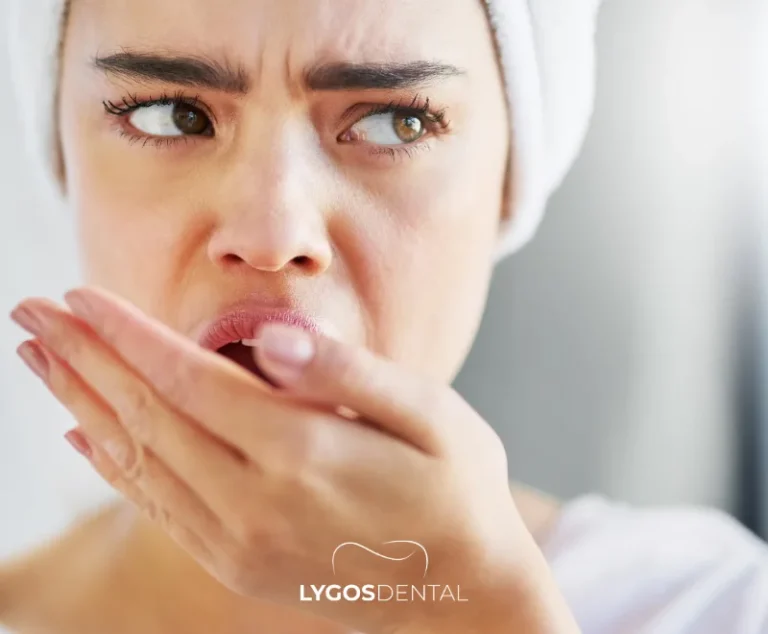
Contact your clinic if you notice any of the following, as they may point to something beyond normal post-cleaning sensitivity:
No. When scaling is performed correctly, it removes tartar and plaque without harming enamel. The tools are designed to target calculus deposits, and enamel is far harder than the buildup being removed. Feeling sensitive after your appointment usually reflects temporary exposure and gum healing, not tooth damage.
If you have ongoing sensitivity, gum bleeding, or you simply want a check-up, it helps to speak with a dentist. You can reach out to learn more about cosmetic dentistry, dental crowns, dental implants, and general dentistry services.
Typically 1–3 days; deep cleanings can cause sensitivity up to two weeks.
Yes; tartar can inflame gums and expose roots, triggering sensitivity.
It’s from exposed tooth surfaces, gum inflammation reduction, and altered bite sensation.
Yes; mild, temporary sensitivity after cleaning is common, especially with gum recession.
