
May 22, 2025
Is Whitening Teeth with Baking Soda Safe?
The question "Is whitening teeth with baking soda safe?" is on the minds of everyone who…
Mild hot/cold or bite sensitivity after a zirconia crown is common for a few days up to two weeks while the tooth and gums settle. It should steadily improve. Sharp pain when chewing, lingering temperature pain, swelling, or symptoms that worsen after 2–3 weeks need a dental check for bite adjustment, leakage, or nerve irritation.
Zirconia crowns (often called “zirconium crowns”) are a popular way to restore damaged or heavily filled teeth with a natural look and strong bite support.
Some sensitivity right after treatment is expected, but ongoing or worsening discomfort can signal a fit, bite, or nerve problem that needs attention.
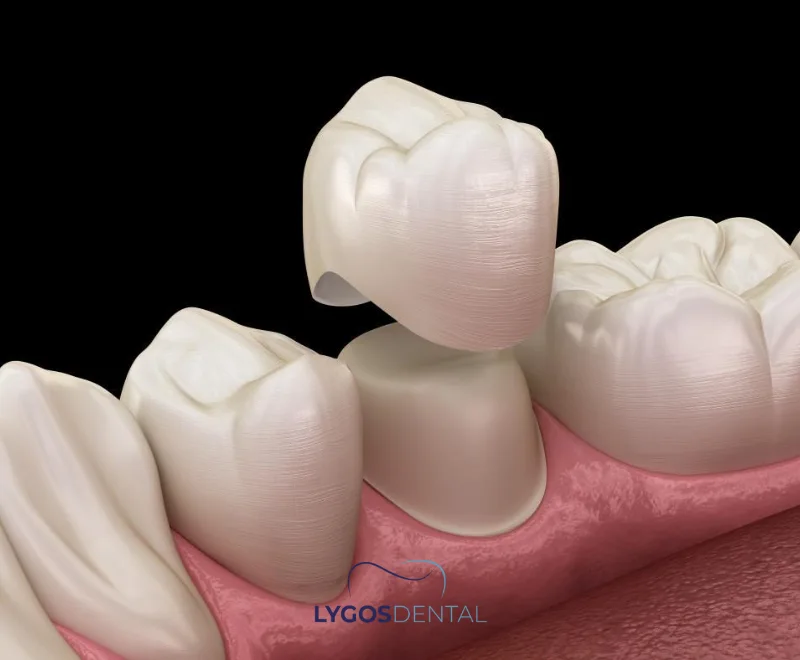
A zirconia crown is a tooth-shaped restoration made from zirconium dioxide, a high‑strength ceramic. It covers the visible part of a tooth to improve appearance, protect weakened structure, and restore chewing function.
Compared with metal‑supported crowns, zirconia can look more like natural enamel and is generally well tolerated by gum tissues. It can be used on front teeth for aesthetics and on back teeth for durability, depending on your bite and the amount of tooth remaining.
Sensitivity usually starts in the first few days after the crown is fitted. The most common causes are related to how the tooth was prepared and how the crown sits on the tooth and gums.
Before a crown is placed, the tooth is reshaped. If the preparation gets close to the nerve or exposes sensitive dentin, the tooth can react to cold, heat, sweet foods, or air.
The cement used to fix the crown may temporarily irritate the tooth. This tends to settle as the tooth calms down and the gums heal around the margins.
The gums can feel tender after a crown appointment, especially if the edge of the crown sits close to the gumline. Inflammation, plaque buildup, or mild recession can make the area feel more sensitive.
If the crown is slightly high, it can take extra force when you bite down. This often feels like sharp pain on chewing or a sore tooth that improves quickly after a simple bite adjustment.
Sometimes the nerve becomes inflamed after crown work, especially on teeth with deep decay, large old fillings, or cracks. Sensitivity that lingers after hot or cold, or pain that starts spontaneously, should be checked promptly.
Mild sensitivity or a bruised feeling is common right after crown preparation and cementation. Many people notice it most with cold drinks, sweet foods, or when chewing on that side.
Pain that gets worse each day, throbs, or wakes you at night is not typical. If that happens, contact your dentist so the bite, fit, and health of the tooth can be evaluated.
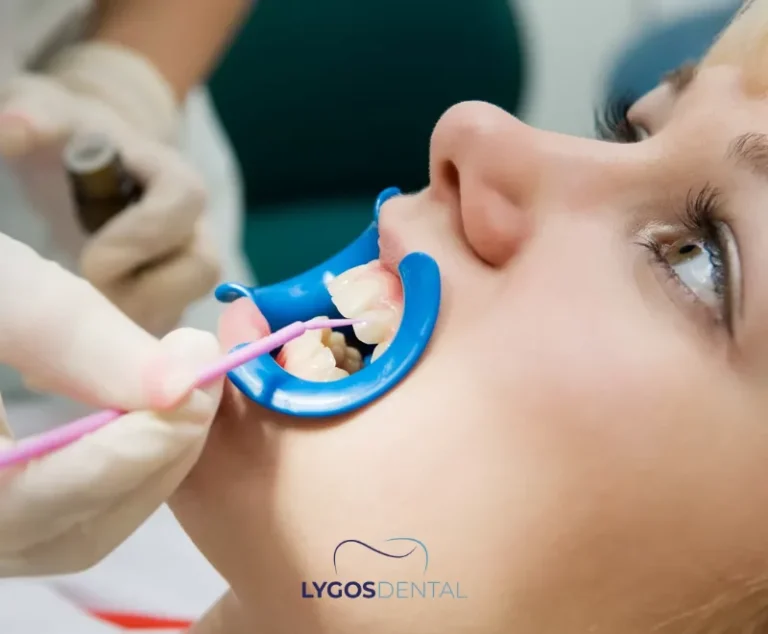
Most post‑crown sensitivity improves within a few days and continues to settle over 1–2 weeks. Teeth that were already heavily restored, or prepared close to the nerve, can take longer to calm down.
If sensitivity lasts longer than 2–3 weeks, lingers after hot or cold, or you have sharp pain when biting, it’s worth booking a review. A quick bite adjustment or a check for leakage can prevent bigger problems.

If you notice any of these, contact your dentist as soon as possible. Early assessment can often solve the problem with a simple adjustment or targeted treatment.
Usually 1–2 weeks; persistent sensitivity beyond that needs dental evaluation.
Problems include high bite, gum irritation, debonding, leakage, fracture, or opposing-tooth wear.
Sudden sensitivity usually means a high bite, leakage/decay, or pulpal inflammation.
The nerve typically settles within days to a few weeks; worsening pain needs evaluation.
No; sensitivity depends on tooth preparation, bite, and nerve health, not zirconia.
