
Dec 5, 2025
What Is the 2-2-2 Rule for Brushing Teeth?
So, how does tooth loss affect speech? In this article, we will examine in detail the…
Teeth whitening can brighten stains, but it can also trigger short-term tooth sensitivity and gum irritation—especially if trays or strips touch the gums or the product is overused. Less common issues include uneven color around fillings or crowns, dry mouth, and enamel wear from repeated treatments. Using the right strength and timing helps reduce these risks.
Teeth whitening is one of the most popular cosmetic dental treatments because it’s quick and usually affordable. Most products work by using peroxide-based ingredients to break down stain compounds in the enamel and dentin. The trade-off is that whitening can temporarily irritate teeth and soft tissues, particularly if you already have sensitivity or gum inflammation.
Teeth whitening products are designed to lighten tooth color and reduce surface or deeper stains from foods, drinks, smoking, or age. Common active ingredients include hydrogen peroxide and carbamide peroxide (which releases hydrogen peroxide). You’ll see them in whitening toothpaste, strips, paint-on gels, tray-based kits, and in-office treatments performed by a dentist.
Whitening changes tooth color, but it does not change the color of existing dental work such as fillings, crowns, veneers, or bonding. That difference matters when you’re aiming for an even shade across your smile.
Most people can whiten safely when they follow instructions and avoid overusing products. Still, these side effects show up often enough that it’s worth planning for them—especially if you have recession, thin enamel, or a history of sensitivity.
Tooth sensitivity
Sensitivity is the most common complaint. Whitening can temporarily open pathways in the tooth structure, making nerves react more strongly to cold, heat, air, and sugary foods. It typically peaks during treatment and settles within a few days after you stop.
Gum irritation
If gel touches the gums, it can cause redness, soreness, or a brief burning sensation. This is more likely with ill-fitting trays or when too much gel is applied. Mild irritation usually improves quickly once the product is removed.
Uneven whitening
Natural teeth can lighten, but restorations won’t. If you have visible fillings, crowns, or bonding, the surrounding teeth may brighten while the restoration stays the same shade, creating a patchy look.
Enamel wear from misuse
Whitening products don’t “melt” enamel, but frequent or prolonged use—especially with high-strength gels—can roughen the surface and worsen sensitivity. Aggressive brushing with abrasive whitening toothpaste can add to enamel wear over time.
Dry mouth and irritation
Some people notice a dry mouth or mild throat irritation, particularly with strips or trays worn for long periods. Less saliva can raise the risk of bad breath and cavities if it becomes a habit.
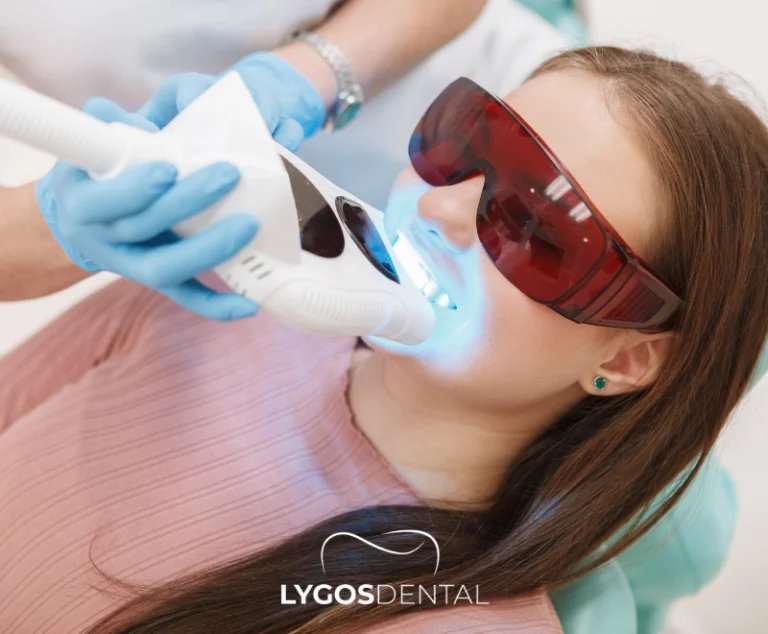
Gums are more sensitive than tooth enamel, so even small amounts of peroxide gel can sting. When exposure is prolonged, you may see a white patch on the gumline (a chemical irritation) that later turns red as it heals. This is usually temporary, but it’s a sign that the product is contacting soft tissue too often.
Practical ways to reduce gum irritation:
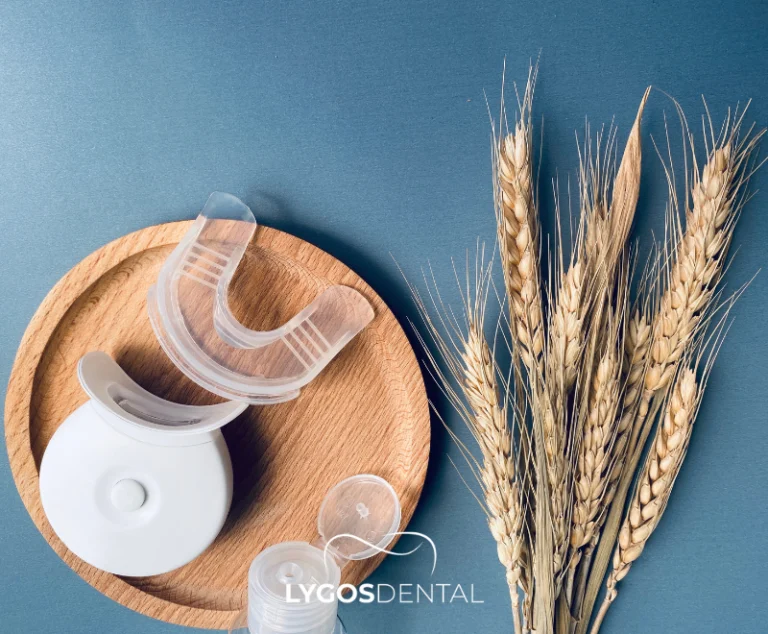
Both at-home and in-office whitening can work. The best choice depends on how quickly you want results, how sensitive your teeth are, and whether you have restorations that may affect the final shade.
Over-the-counter strips, gels, and whitening toothpaste are convenient and cost-friendly. Because application is self-directed, side effects often come from longer wear times than recommended, repeated rounds back-to-back, or trays that don’t fit well. If you feel increasing sensitivity, take a break for a few days rather than pushing through.
In-office whitening uses higher-strength products under professional supervision, often with soft-tissue protection and controlled timing. Dentists can also check for cavities, cracks, recession, or gum inflammation that may make whitening uncomfortable. This route tends to be faster and more predictable, especially when you want a specific shade match.
Whitening is cosmetic, but it interacts with real dental issues. If you have untreated decay, leaky fillings, exposed roots, or cracks, whitening agents can penetrate deeper and increase pain. Overusing whitening can also encourage habits that wear enamel—like frequent acidic drinks, hard brushing, or constant “touch-ups.”
A quick dental check is especially helpful if you have crowns or bonding in your smile line, since you may need to plan for replacement after whitening to keep color consistent.
Temporary sensitivity and gum irritation often settle within hours to a few days. During that window, keep things gentle and let the tooth surface rehydrate.
If you’re not sure which whitening option fits your teeth—or you’ve had sensitivity in the past—ask a dentist before starting. Professional guidance can prevent unnecessary discomfort and help you choose a plan that won’t clash with fillings or crowns.
Yes: temporary tooth sensitivity and gum irritation are the most common side effects.
Most last 1–4 days; see a dentist if symptoms persist beyond a week.
No: used correctly, whitening doesn’t permanently weaken enamel, but may cause temporary sensitivity.
Pregnant or breastfeeding people, children, and anyone with untreated cavities, gum disease, or extensive restorations.
Dentist-supervised whitening with ADA-accepted products, used as directed, after a dental exam.
Yes: dentists recommend it for suitable patients after evaluating causes of discoloration and oral health.

So, how does tooth loss affect speech? In this article, we will examine in detail the…
 Blog
Blog
Teething In Babies: Symptoms, Timeline, And Safe Relief For Parents Teething is when your baby’s first…
Paying attention to certain factors before and after tooth extraction is crucial to ensure the process…