
Smile Design: Procedures, Cost, And What To Expect
Smile design is a personalized cosmetic dentistry plan that improves how your teeth and gums look in relation to your face. After an assessment and a digital preview, your dentist combines treatments like whitening, bonding, veneers, or gum contouring to create a natural-looking, balanced smile that still feels like you.
What Smile Design Is
Smile design is a cosmetic dentistry approach that coordinates tooth shape, color, and alignment with your facial features. Rather than choosing a single treatment, the dentist builds a plan around your proportions—such as lip line, facial symmetry, gum display, and bite—so the final result looks intentional and realistic.
Most clinics use digital photography, scans, and 3D or “digital smile design” software. This lets you see a preview before any irreversible work starts, and it helps the dentist plan details like tooth length, midline, and gum contours.
Benefits Of Smile Design
Smile design focuses on aesthetics, but it often supports function and oral health when planned properly.
Boosts self-confidence in photos and daily interactions.
Creates a more even, youthful appearance by correcting wear, chips, and discoloration.
Can improve bite balance and speech clarity when alignment or spacing is addressed.
Delivers a natural look because tooth shapes and shades are selected for your face and skin tone.
Who Smile Design Is For
Smile design can help if you have:
Discoloration that does not respond well to whitening.
Chipped, worn, short, or uneven teeth.
Gaps, mild crowding, or asymmetry.
An uneven gum line or a “gummy” smile.
There is no strict age limit. The key requirement is healthy gums and stable teeth. If you have cavities, gum disease, or active infection, those issues are typically treated first.
Common Treatments Used In Smile Design
Teeth whitening
Whitening can brighten natural teeth and set the shade for any restorations that may follow. Because restorations do not whiten, dentists often start with whitening when appropriate.
Composite bonding
Bonding uses tooth-colored resin to reshape edges, close small gaps, and repair chips. It is less invasive than veneers, but it may stain or wear faster over time.
Veneers and crowns
Veneers cover the front surface of teeth to adjust shape and color, while crowns wrap the entire tooth when more strength or coverage is needed. Material choice (porcelain, zirconia, etc.) and preparation level affect durability and cost.
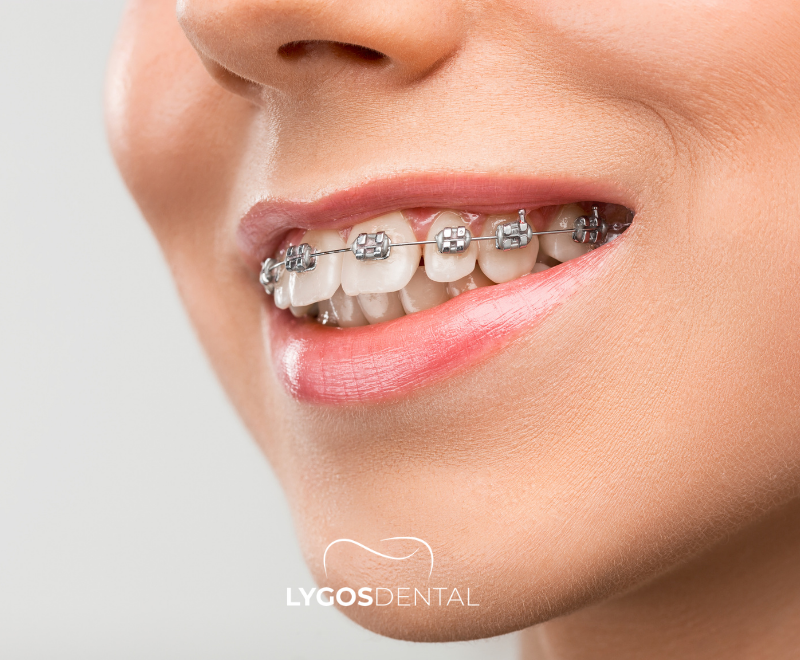
Orthodontic aligners or braces
When spacing or alignment is the main issue, orthodontics may be recommended before cosmetic work. Aligners can reduce the amount of tooth reduction needed for veneers or crowns.
Gum contouring and periodontal care
Gum reshaping can level an uneven gum line, reduce a gummy smile, or create more consistent tooth proportions. Any underlying gum inflammation should be treated first for predictable healing.
Implants or bridges
Missing teeth change bite balance and facial support. Implants or bridges may be part of the plan to restore function before final cosmetic refinements.
What To Expect Step By Step
1) Consultation and assessment
Your dentist reviews your goals, examines your teeth and gums, and checks your bite. Photos, X-rays, and digital scans may be taken to plan safely.
2) Digital preview and treatment plan
You may see a mock-up or digital simulation showing proposed tooth shapes and proportions. This is where you confirm the direction—natural, bright, or more dramatic—before proceeding.
3) Preparation and trial smile
If veneers or crowns are planned, the dentist may do a conservative preparation and provide temporary restorations. Some clinics offer a short-term “trial smile” so you can test comfort and appearance.
4) Final placement and bite check
Restorations are fitted, adjusted, and bonded. The bite is checked carefully so chewing feels balanced and edges do not chip easily.
5) Follow-up
A short review visit helps confirm gum health, fit, and comfort. Minor refinements are common and are part of good cosmetic dentistry.
What To Consider Before And After Smile Design
Before treatment
Plan for any necessary dental health work first, such as fillings or gum treatment. If you grind your teeth, discuss a protective night guard early, because it can influence material choice and design.
If you smoke or consume frequent staining drinks (coffee, tea, red wine), reducing them can improve whitening results and keep restorations brighter longer.
After treatment
Brush twice daily with a non-abrasive toothpaste and floss carefully along restoration edges. Regular check-ups and professional cleanings help protect the gums and catch small issues early.
Avoid biting hard objects (ice, pens, very hard nuts) and consider a night guard if you clench or grind. These habits are common causes of chips and premature wear.
Smile Design Cost And Pricing Factors
Smile design pricing varies widely because it depends on the number of teeth involved, the treatments chosen, materials, and the clinic’s location and equipment.
As a broad guide, per-tooth cosmetic restorations (such as veneers or crowns) are often quoted in the four-figure range, and full smile makeovers can reach five figures or more. Some clinics may quote around $1,000–$5,000 per tooth, and comprehensive cases can exceed $20,000 depending on complexity and region.
The most reliable way to budget is to request a written treatment plan with itemized fees, timelines, and any possible alternatives.
Is Smile Design Permanent?
Smile design results are long-lasting, but not “forever.” Longevity depends on the procedure and aftercare.
Veneers and crowns commonly last 10–15 years, sometimes longer with excellent care.
Whitening usually needs touch-ups, often every 6–12 months depending on lifestyle.
Gum contouring is typically stable unless gum disease develops or recession occurs.
Routine dental visits, good home care, and avoiding heavy biting forces are the biggest factors in keeping results looking great.
Smile Design FAQ
How much is smile design in Turkey?
About $2,000–$8,000 total; veneers often $200–$350 per tooth.
What are the procedures for smile design?
Consultation, digital planning, mock-up, whitening, bonding/veneers/crowns, and optional gum contouring.
How long does smile design last?
Usually 3–15+ years, depending on materials, bite habits, and maintenance.
Is smile design worth the investment?
Often yes, if it improves function/appearance and you maintain long-term oral care.
What are the disadvantages of smile design?
Risks include enamel reduction, sensitivity, chipping, gum irritation, and future replacements.
What is the difference between smile design and Invisalign?
Smile design changes shape/color with restorations; Invisalign moves teeth with clear aligners.


 Blog
Blog