
Dec 1, 2025
Why Black Lines Form on Teeth and How to Treat Them | LYGOS DENTAL
So, how does tooth loss affect speech? In this article, we will examine in detail the…
Facial swelling after wisdom tooth extraction is usually normal. It often starts within the first day, peaks around days 2–3, and improves over the next week. Using cold compresses early, keeping your head elevated, and following your dentist’s instructions can help. Seek care if swelling worsens after day 3, lasts beyond a week, or comes with fever or pus.
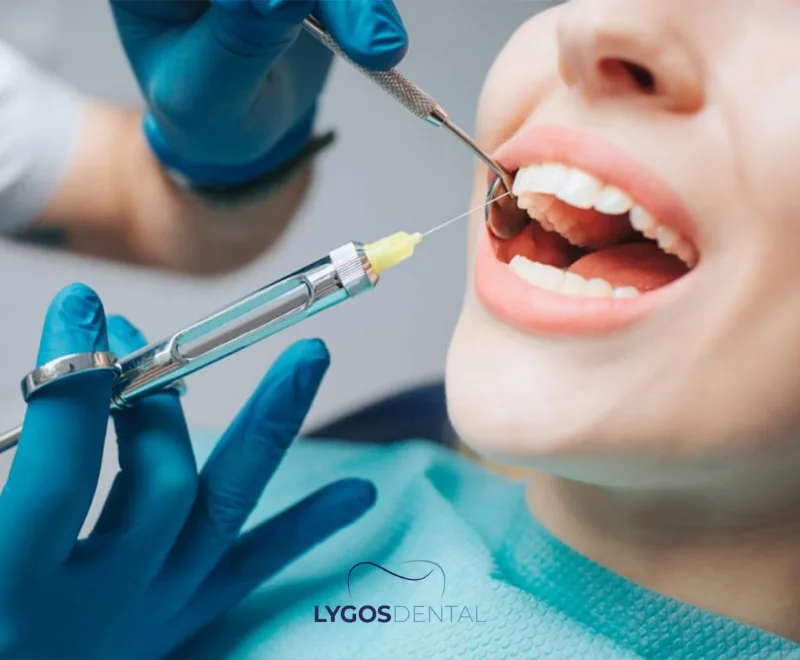
Swelling is part of the body’s inflammatory response to surgery. During extraction, the gum tissue and, in many cases, the bone around the tooth are disturbed. Your immune system increases blood flow and sends repair cells to the area, which can cause temporary fluid buildup in the cheek and jaw.
The severity of the swelling generally depends on:
Swelling varies from person to person. Common factors include:
Most people notice swelling within the first 24 hours. It typically reaches its maximum around 48–72 hours after surgery and then gradually improves.
A simple timeline can help set expectations:
If swelling is still getting worse after the first few days, or it does not start to improve by about a week, contact your dentist or oral surgeon.

Focus on cold therapy and rest. Cold helps limit fluid buildup in the tissues.
Once the first day has passed, gentle warmth and good oral hygiene can support comfort and healing.
These habits can increase swelling, disrupt the clot, or slow healing:
Swelling by itself is expected after wisdom tooth removal. What matters is the pattern. Normal swelling tends to peak around days 2–3 and then improves. A sudden increase in swelling, worsening pain, or new symptoms can point to a problem such as infection or a dry socket.
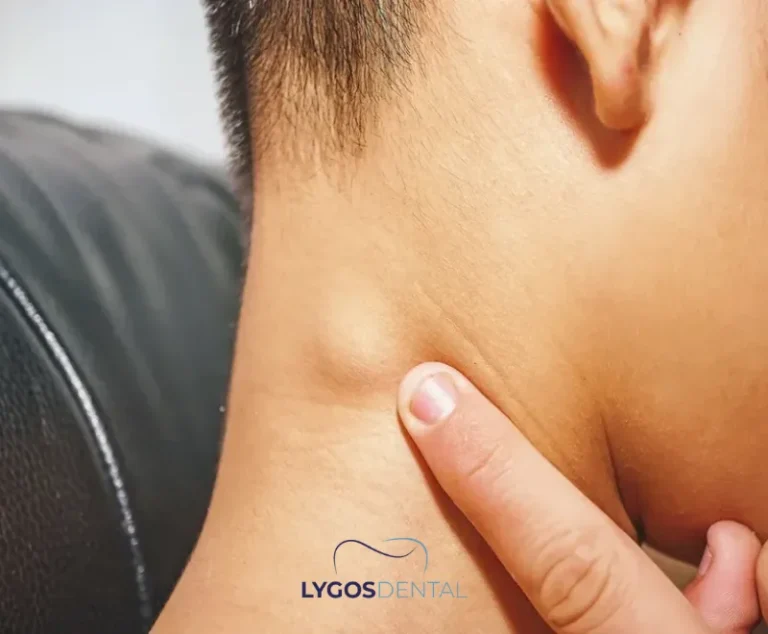
Call your dentist or oral surgeon promptly if you notice any of the following:
Swelling peaks day 2–3 and improves within 3–5 days.
Inflammation and tissue fluid peak around day three, making pain and swelling strongest.
Watch for uncontrolled bleeding, worsening pain, fever, pus, foul taste, severe swelling, breathing trouble.
Yes; severe throbbing pain, bad odor/taste, and visible socket bone suggest dry socket.
Infection signs include fever, worsening swelling, pus, increasing pain, and foul discharge.
