
Sep 10, 2025
How to Clean Lingual Braces? | LYGOS DENTAL
In this article, we will answer the question “How to clean lingual braces?” in detail, covering…
Gum inflammation (gingivitis) is an early stage of gum disease caused mainly by plaque buildup at the gumline. Common signs include red or swollen gums, bleeding when brushing or flossing, persistent bad breath, tenderness, and gum recession. With early dental care and consistent home hygiene, gingivitis is usually reversible.
Oral health plays a major role in overall wellbeing, and gum disease often starts quietly. Gingivitis can look minor at first, but it’s a clear signal that the gumline is under attack from bacteria. Spotting the signs early can help you avoid deeper infections that affect the bone and support around the teeth.
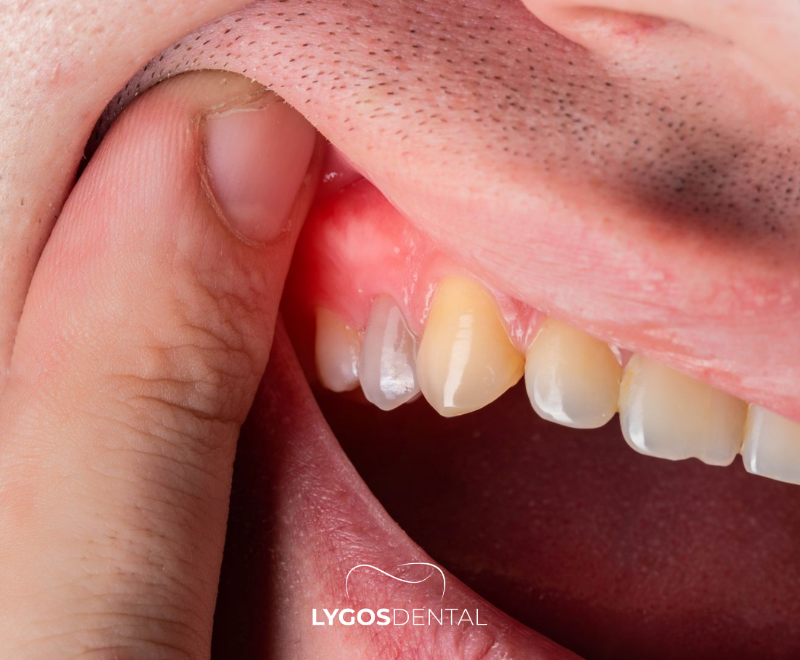
Gum inflammation is the irritation and swelling of the gum tissue. The medical term is gingivitis, and it most often develops when bacterial plaque isn’t removed effectively from the teeth and gumline. Over time, the gums react by becoming red, puffy, and prone to bleeding.
The good news is that gingivitis is typically reversible when addressed early with professional cleaning and improved daily care. When it’s ignored, it can progress to periodontitis, a more serious form of gum disease that may lead to bone loss and loose teeth.
Plaque buildup is the main trigger, but several factors can raise the risk or make symptoms worse. Some are lifestyle-related, while others are linked to hormonal changes or health conditions. If you’re seeing symptoms repeatedly, it’s worth looking at both your routine and your medical background.
Gingivitis can vary from person to person, but the core signs are fairly consistent. Many people notice bleeding first, especially when brushing or flossing. If you have several of the symptoms below, a dental exam is the safest way to confirm what’s going on.

Yes. When plaque and bacteria accumulate around the gumline, they release compounds that can cause persistent bad breath. If the odor returns quickly after brushing, or if it comes with bleeding or swollen gums, it’s often a sign that the problem is coming from the gums rather than the tongue alone.
Professional cleaning and treating the underlying gum inflammation usually makes a noticeable difference. If bad breath persists after treatment, your dentist may also check for cavities, dry mouth, tonsil stones, or other causes.
Gingivitis doesn’t always hurt, especially in the early stages. That’s one reason it can be easy to miss. Some people feel mild soreness or a “raw” sensation at the gumline, while others notice sensitivity when eating or drinking.
If you’re experiencing significant pain, throbbing, swelling that spreads, or a pimple-like bump on the gum, it may point to a deeper infection and should be assessed promptly.
Untreated gingivitis can move beyond the surface gums and affect the supporting tissues around the teeth. At that point, home care alone usually isn’t enough. Early treatment is simpler, less invasive, and typically more affordable than advanced gum therapy.
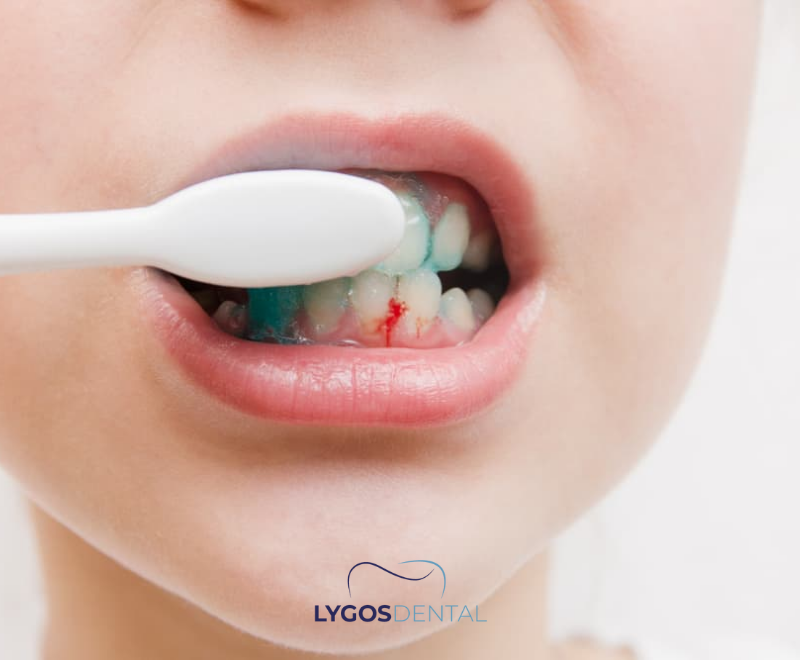
Book a dental checkup if you notice any of the following signs, especially if they last more than a week or keep coming back. A dentist can confirm whether it’s gingivitis, check for periodontitis, and recommend the right cleaning and home-care plan.
Home care can make a real difference, but it works best when combined with professional cleaning if plaque has hardened into tartar. Aim for gentle, consistent hygiene rather than aggressive brushing, which can irritate gums further.
If you suspect gum inflammation or want a preventive checkup, contact our clinic to schedule an appointment. We can also advise on cosmetic dentistry, dental crowns, dental implants, and general dentistry services based on your needs.
Gum disease is infection and inflammation of gums and supporting bone around teeth.
Bleeding gums when brushing or flossing is the most common symptom.
Professional cleaning, improved home care, and sometimes antibiotics or gum surgery.
It can cause recession, bone loss, loose teeth, abscesses, and tooth loss.
Gingivitis can improve in 1–2 weeks; periodontitis needs ongoing care.
