
Feb 12, 2025
Demi Lovato Dental Aesthetic | LYGOS DENTAL
Demi Lovato is not only celebrated for her incredible voice and acting talent but also for…
Tooth decay often starts quietly, then progresses to sensitivity, visible spots, and pain. Early signs include brief twinges with cold or sweet foods and chalky white areas on the enamel. As the cavity deepens, you may notice persistent toothache, bad breath, pain when chewing, or gum swelling. A dentist can confirm decay and recommend the right treatment.
Tooth decay (dental caries) happens when acids produced by mouth bacteria gradually break down tooth enamel. Catching it early usually means simpler treatment and less risk of infection, root canal treatment, or tooth loss.
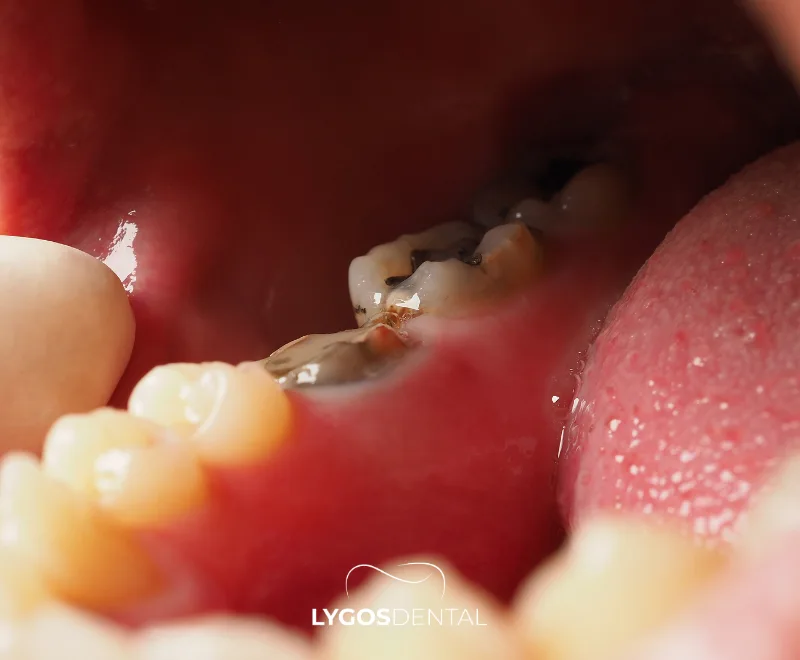
Tooth decay begins when plaque bacteria feed on sugars and starches and produce acid. Over time, repeated acid attacks pull minerals out of the enamel (demineralization). If the surface breaks down, a cavity forms and can spread into dentin and, eventually, the pulp where the nerve sits.
Most cavities develop due to a mix of diet, daily habits, and individual risk factors. The most common triggers include:

Symptoms depend on how deep the decay is. Some cavities cause no pain at first, especially between teeth, so regular dental check-ups still matter. These are the most typical signs people notice:
Early decay often causes brief sensitivity that stops once the trigger is gone. When decay reaches dentin, pain can become more frequent and more intense. If the pulp is involved, pain may be constant, throbbing, or sharp, and it can radiate to the jaw or ear. Severe pain with swelling or fever can signal an abscess and needs urgent dental care.
A dentist usually checks for soft spots, discoloration, and areas that catch or feel rough. Bitewing X-rays are commonly used to find decay between teeth and assess depth. Some clinics also use light-based tools to spot early enamel mineral loss.
Treatment depends on the stage of decay and whether the nerve is affected. A dentist will recommend the most conservative option that restores strength and stops the bacteria.
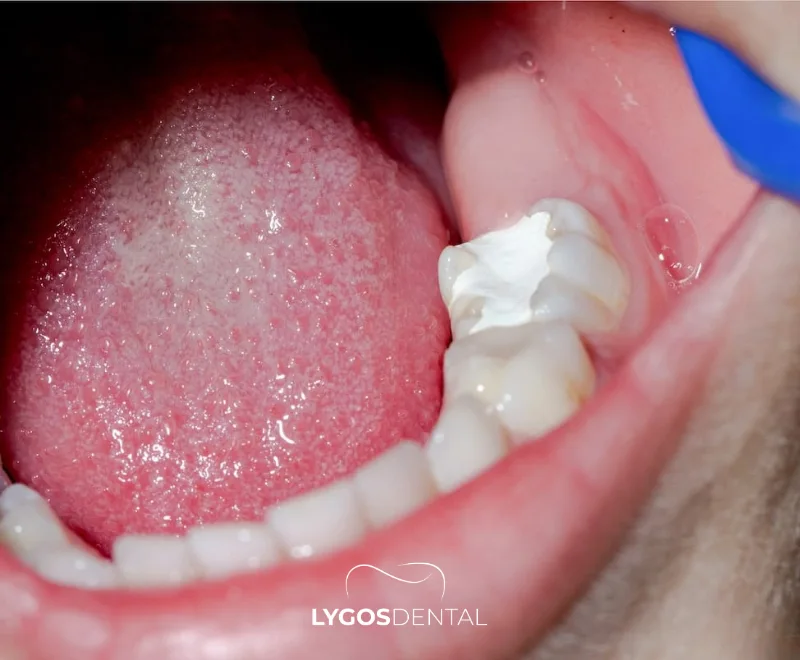
Book a dental visit if you have sensitivity that keeps returning, a toothache, pain on chewing, or any visible pits or dark spots. Seek urgent care if you have facial swelling, pus, fever, or trouble swallowing, as these can point to a spreading infection.
Good prevention focuses on plaque control, fluoride exposure, and reducing how often teeth are exposed to sugar and acid.
If you’d like a professional assessment or treatment options such as fillings, crowns, implants, or cosmetic dentistry, contact your dental clinic to arrange an appointment.
A formed cavity cannot “heal” back to normal. In the earliest stage—before a hole develops—enamel can sometimes be strengthened through remineralization with fluoride and improved home care.
Sensitivity may come and go at first. If decay continues, symptoms often become more frequent and can progress to persistent pain until the tooth is treated.
Short-term relief may come from over-the-counter pain medicine (follow the label), avoiding very hot, cold, or sweet triggers, and rinsing with warm salt water. These steps do not treat the cause, so a dental visit is still needed.
Typical signs include sensitivity to hot or cold, toothache, pain when chewing, visible white/brown/black spots or a pit, bad breath, and gum tenderness near the tooth.
