
10 Natural Ways to Remove Dental Tartar | LYGOS DENTAL
10 Natural Ways to Remove Dental Tartar
Tartar is hardened plaque that sticks to teeth and can irritate your gums. Once it hardens, only a dentist or dental hygienist can remove it safely. The tips below help reduce soft plaque, slow new tartar buildup, and keep your mouth cleaner between professional cleanings.
Tartar buildup is common, especially behind the lower front teeth and along the gumline. Left alone, it can trap more plaque, stain teeth, and raise the risk of gum inflammation.
Home care can’t replace a professional scale and polish, but it does make a real difference. Use the steps below to support daily hygiene and reduce the chances of tartar returning quickly after a cleaning.
Table of Contents
What Is Dental Tartar
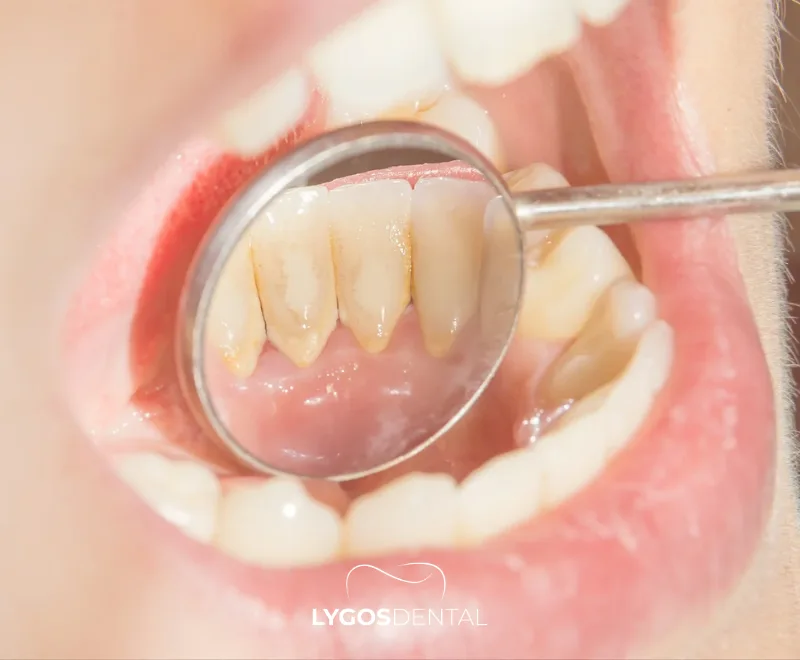
Plaque is a sticky film of bacteria that forms on teeth every day. If plaque isn’t removed thoroughly, minerals in saliva can harden it into tartar (also called calculus). Tartar bonds strongly to enamel and creates a rough surface where more plaque can stick.
How Tartar Affects Dental Health
Because tartar is rough and porous, it can make brushing less effective and contribute to bad breath. It also irritates the gums, which may lead to bleeding, swelling, and gingivitis. Over time, untreated gum disease can damage the support around the teeth.
Can You Remove Tartar At Home
You can remove plaque at home, but you shouldn’t try to scrape off hardened tartar yourself. DIY scraping tools and aggressive home “tartar removal” hacks can cut the gums or damage enamel. If you can see or feel hard deposits that won’t brush away, book a professional cleaning.
10 Natural Ways To Reduce Tartar Buildup
1. Brush Twice Daily With Fluoride Toothpaste

Brush for two minutes in the morning and before bed, focusing on the gumline.
A fluoride toothpaste helps strengthen enamel and makes teeth more resistant to decay.
Angle the bristles gently toward the gums and use small, controlled circles rather than scrubbing.
2. Clean Between Your Teeth Every Day
Tartar often starts where a toothbrush can’t reach.
Use floss, interdental brushes, or water flossers to remove plaque between teeth and just under the gumline.
If your gums bleed at first, keep going gently for a week or two and speak with a dentist if bleeding persists.
3. Rinse With Water After Meals
A simple water rinse helps wash away food particles and dilute acids after eating.
If you can, swish with plain water for 10–15 seconds after snacks and meals.
This habit is especially helpful when you’re away from a toothbrush.
4. Choose A Tooth-Friendly Diet
Frequent sugar and refined starches feed the bacteria that form plaque.
Aim for balanced meals and limit sticky snacks that cling to teeth.
Crunchy fruits and vegetables can help mechanically clean teeth while you chew.
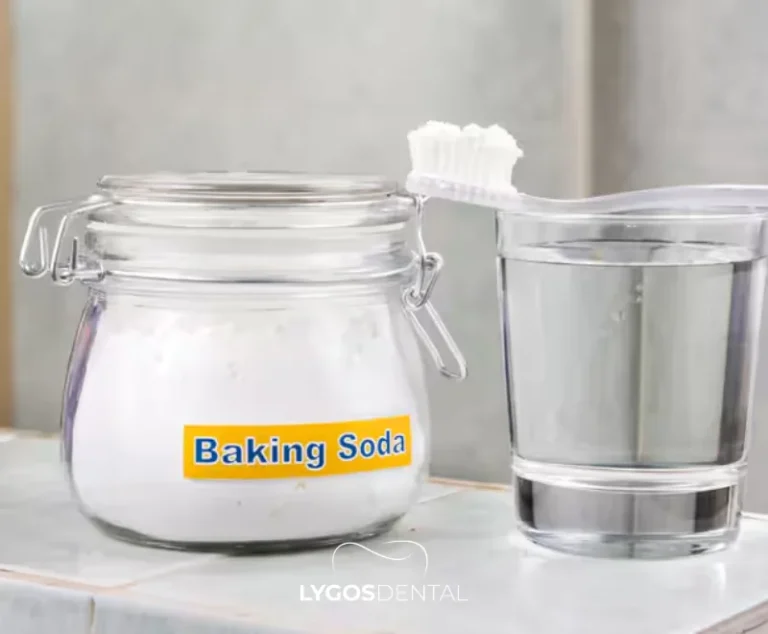
5. Use Baking Soda Occasionally
Baking soda can help lift surface stains and disrupt plaque because it’s mildly abrasive.
Use it sparingly—about once or twice a week—by dipping a wet toothbrush into a small pinch or using a toothpaste that contains it.
Brush gently and stop if you notice sensitivity.
6. Try Coconut Oil Pulling If You Enjoy It
Oil pulling may reduce oral bacteria and plaque for some people, though it’s not a replacement for brushing and flossing.
Swish 1 tablespoon of coconut oil for 5–10 minutes, then spit it into a bin (not the sink) and rinse with water.
Avoid swallowing the oil, and stop if it causes jaw discomfort.
7. Use Aloe Vera As A Gentle Rinse
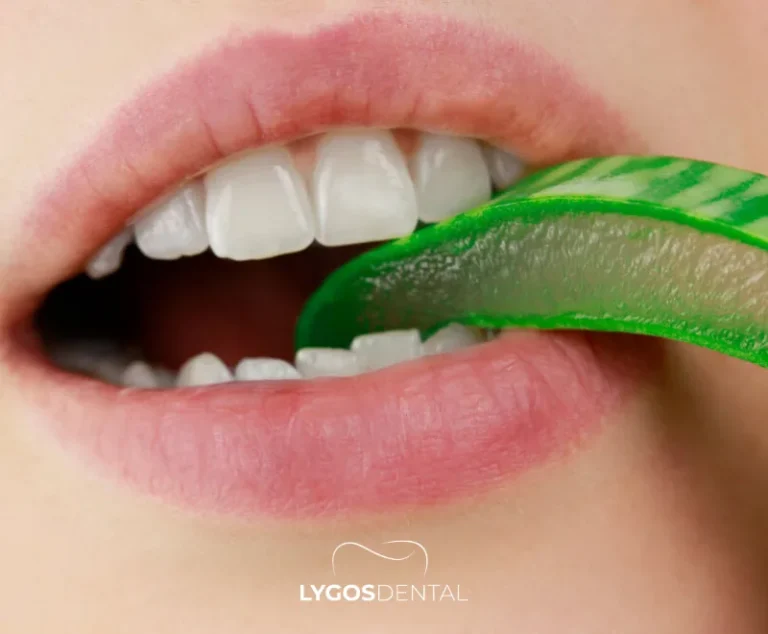
Aloe vera is commonly used for its soothing, antimicrobial properties.
If you tolerate it well, you can swish a small amount of pure aloe vera gel diluted with water, then spit and rinse.
Choose products intended for oral use and avoid them if you have known allergies.
8. Be Cautious With Tea Tree Oil
Tea tree oil has antibacterial effects, but it can be toxic if swallowed and may irritate the mouth.
If you use it, choose a commercially formulated oral product or dilute heavily and never ingest it.
Skip this option if you’re unsure—there are safer ways to control plaque.
9. Avoid Acid Scrubs Like Lemon, Salt, Or Vinegar
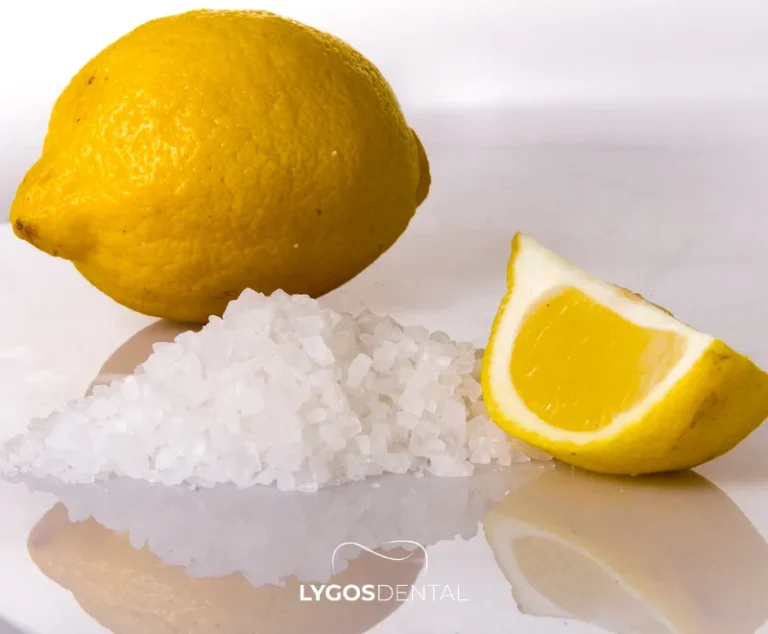
Acids can soften enamel, and rubbing or rinsing with acidic mixtures may increase erosion and sensitivity.
Instead of using lemon or vinegar as a “tartar remover,” protect enamel by limiting acidic drinks, rinsing with water afterward, and waiting at least 30 minutes before brushing.
If you already have sensitivity or enamel wear, ask your dentist for guidance.
10. Get Professional Cleanings When Recommended
Once tartar forms, a dentist or hygienist needs to remove it with professional instruments.
Regular cleanings also let your dental team check for early gum disease and hard-to-see tartar below the gumline.
Your schedule depends on your risk factors, so follow the plan your dentist recommends.
A Simple Daily Routine That Works
- Brush twice daily with fluoride toothpaste.
- Clean between teeth once a day.
- Rinse with water after meals or acidic drinks.
- Keep sugary snacks to an occasional treat rather than a habit.
- Book cleanings on the schedule your dentist suggests.
When To See A Dentist
Natural methods can support cleaner teeth, but they can’t treat advanced tartar or gum disease. Make an appointment if you notice bleeding gums, swelling, persistent bad breath, gum recession, tooth sensitivity, or hard deposits that won’t brush away. These signs are common reasons to have a professional evaluation and cleaning.
Book An Appointment
If you’d like to discuss cosmetic dentistry, dental crowns, dental implants, or general dentistry, use the contact form below to request an appointment or ask a question.
FAQ
What naturally dissolves tartar?
Nothing safely dissolves tartar; only professional scaling removes it.
Can I scrape tartar off my teeth myself?
No; scraping yourself can damage enamel and gums and cause infection.
Does baking soda dissolve tartar?
No; baking soda helps plaque and stains, not hardened tartar.
Is there a toothpaste that dissolves tartar?
No; toothpastes prevent tartar buildup, but cannot dissolve existing tartar.
Does lemon juice dissolve tartar?
No; lemon juice is acidic and erodes enamel, worsening sensitivity.