
Aesthetic Practices in Dentistry Across Different Cultures | LYGOS DENTAL
Aesthetic Practices in Dentistry Across Different Cultures
Dental aesthetics are not universal. What looks like a “perfect smile” in one place may feel unnatural in another. Across cultures, tooth color, symmetry, spacing, and even intentional modifications have carried meanings tied to status, maturity, beauty, and identity—shaping how modern cosmetic dentistry is requested and designed.
Table of Contents
What Aesthetic Dentistry Means Today
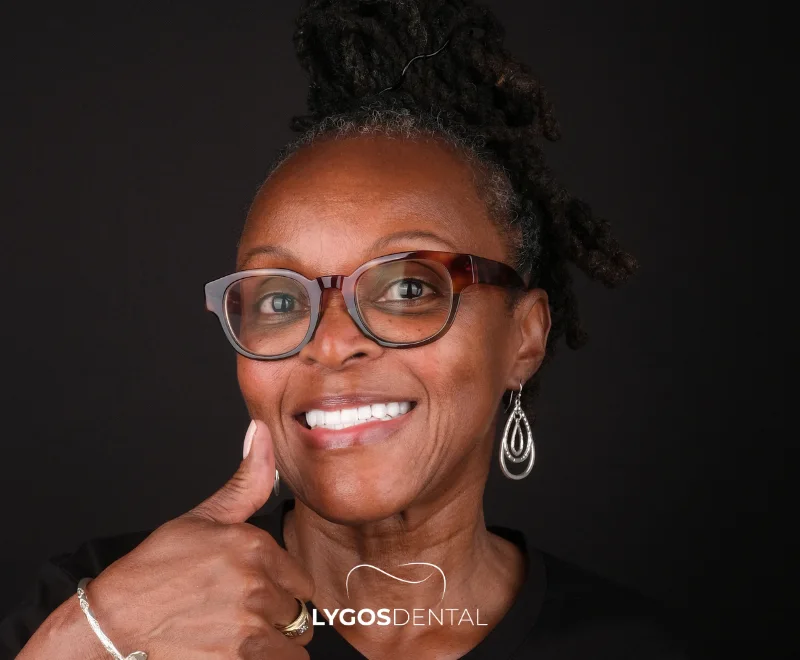
Aesthetic (cosmetic) dentistry focuses on how teeth and gums look as well as how they function. Dentists consider tooth shade, shape, alignment, gum contours, and how the smile fits the face. The end goal is a result that looks healthy and believable, not just bright or uniform.
Common treatments include professional whitening, orthodontics or clear aligners, composite bonding, veneers, crowns, implants, and gum contouring. The “best” option depends on oral health, budget, and—often overlooked—what the patient considers attractive.
Western Preferences: The Rise of the “Hollywood Smile”
In many Western countries, the ideal leans toward straight, symmetrical, light-colored teeth. Media and film helped popularize that look during the mid‑20th century, and it remains closely linked with youthfulness, success, and confidence.
Because of this preference, demand is high for whitening, clear aligners, and veneers designed to create an even tooth line. Digital smile design is also widely used to preview outcomes and match tooth proportions to facial features.
East Asia: Tradition, Technology, and a More Natural Finish
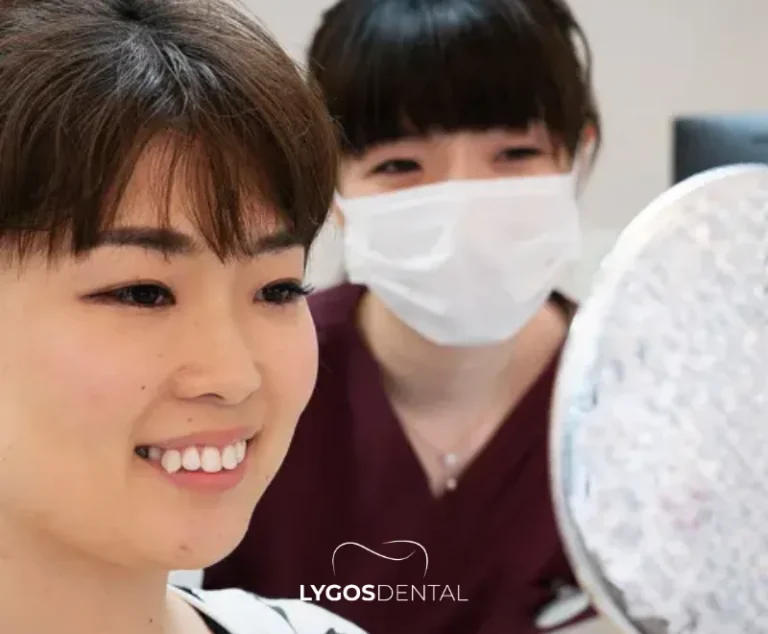
East Asian ideals are diverse, but modern cosmetic dentistry in Japan, South Korea, and China often prioritizes a refined, natural finish over extreme brightness. Subtle shape adjustments, conservative veneers, and minimally invasive bonding are popular when patients want improvements without an obvious “done” look.
Historically, Japan’s ohaguro—teeth blackening—was associated with beauty and social status and was practiced especially among married women and some members of the aristocracy and samurai classes. The contrast between past and present shows how strongly cultural context can redefine what counts as attractive.
Africa, The Middle East, and Beyond: Teeth as Identity and Status
Across parts of Africa, intentional tooth modification has been documented as decoration, a marker of strength, and a rite of passage. Examples include chipping or filing incisors into distinctive shapes among groups such as the Makonde in Tanzania and Mozambique.
Adornment has also carried status meanings. Gold crowns and decorative dental work have signaled wealth in various regions and eras, and modern “grillz” and tooth jewelry can be seen as contemporary expressions of the same idea.
How Traditional Practices Influence Modern Aesthetic Dentistry
Globalization has spread certain trends, but local preferences still shape treatment plans. Clinics increasingly ask patients for reference photos, discuss what “natural” means to them, and tailor shade and tooth morphology accordingly.
Some influences are indirect: historical tooth adornment helps explain today’s interest in removable jewelry; traditional modification rituals remind clinicians to approach appearance requests with cultural sensitivity. Where practices could harm enamel or gums, modern dentistry favors safer, reversible alternatives.
Popular Cosmetic Treatments Around The World
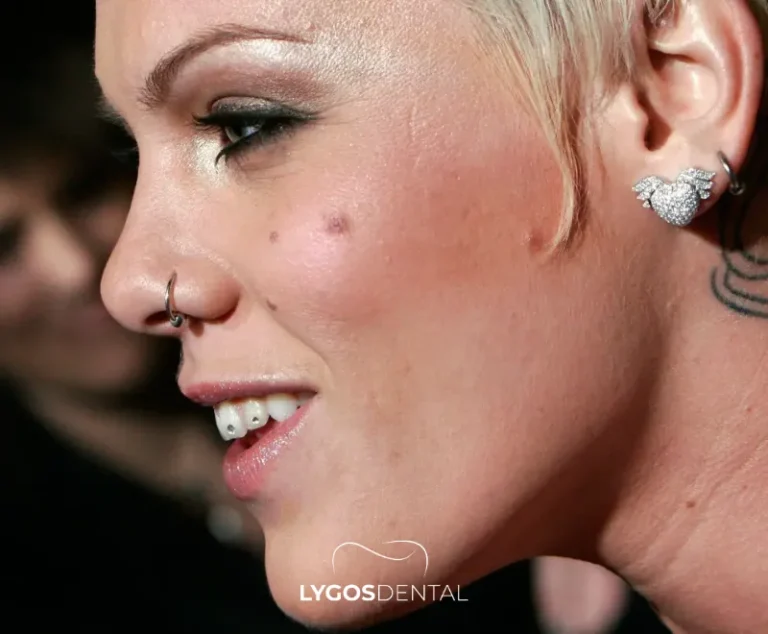
While the same core procedures are available globally, they are used differently depending on local beauty norms and budgets. The most common requests include:
- Professional teeth whitening for brighter shade (often with a preference for a natural white rather than an opaque “paper” tone).
- Clear aligners and orthodontics to improve alignment with minimal visual impact.
- Composite bonding to close gaps, repair chips, or soften sharp edges with little tooth reduction.
- Veneers or crowns (porcelain or zirconia) to change color and shape when conservative options aren’t enough.
- Digital smile design to plan proportions, gum line symmetry, and the relationship between teeth and lips.
Cultural Sensitivity In Smile Design
Aesthetic dentistry works best when it starts with a conversation, not a template. A dentist may ask about cultural preferences, whether a small gap is considered charming or undesirable, and how bright the patient wants their teeth to look in everyday light.
Good planning also considers long‑term oral health. Treatments that preserve enamel, maintain bite function, and allow easy cleaning usually offer the best balance between beauty and durability.
FAQ
Teeth sharpening dentist
Dentists can perform enameloplasty to slightly reshape teeth; DIY sharpening risks permanent enamel loss.
Yaeba teeth
Yaeba teeth are intentionally crooked, fang-like canines popular in Japan, often created with caps.