
Cosmetic Dentistry Treatments That Can Improve Your Smile
Can Cosmetic Dentistry Improve My Smile?
Yes—cosmetic dentistry can improve your smile by changing tooth color, shape, spacing, and alignment. Treatments like professional whitening, veneers, bonding, crowns, implants, orthodontics, and gum contouring can create a brighter, more balanced look. The best option depends on your oral health, bite, and goals, so an exam is the starting point.
A bright, healthy-looking smile can make day-to-day conversations feel easier. Still, many people live with stains, chips, gaps, uneven edges, or teeth that don’t sit quite where they should.
Cosmetic dentistry focuses on improving how your teeth and gums look while keeping function in mind. With the right plan, small changes can look natural—and bigger changes can be done in stages.
What Is Cosmetic Dentistry?
Cosmetic dentistry covers dental treatments that enhance the appearance of your teeth, gums, and overall smile. It often overlaps with restorative dentistry because many aesthetic improvements also support comfort and chewing.
Depending on your needs, a cosmetic plan may involve whitening, veneers, bonding, crowns, implants, orthodontics, and gum reshaping.
Table of Contents
Cosmetic Dentistry And Smile Design
Smile design is a planning approach that aims for a balanced result that fits your facial features. During a consultation, a dentist reviews tooth shape, alignment, gum display, and how your smile frames your face.
Key elements dentists typically consider:
- Tooth proportions: Teeth can be reshaped or lengthened to better match facial features.
- Tooth alignment: Crooked or rotated teeth may be improved with orthodontics, bonding, or veneers, depending on the case.
- Smile line: Many plans aim for a gentle curve that follows the lower lip.
- Gum aesthetics: Gum reshaping can help if the gum line looks uneven or too prominent.
When these details work together, the result usually looks more natural than fixing one issue in isolation.
Cosmetic Dentistry Treatment Options
Cosmetic dentistry offers different options for different concerns. A dentist will usually recommend the least invasive treatment that can reliably meet your goal.
Teeth Whitening
Professional whitening can lift stains caused by coffee, tea, tobacco, and natural aging. In-office whitening is faster, while take-home trays may be more gradual.
Veneers
Veneers are thin shells (often porcelain) that cover the front of the teeth. They can improve shape, color, small gaps, and minor misalignment.
Dental Bonding
Bonding uses a tooth-colored resin to repair chips, close small gaps, and smooth uneven edges. It’s often a cost-effective option for small changes.
Crowns And Bridges
Crowns cover a damaged or heavily filled tooth to restore strength and appearance. Bridges replace missing teeth by anchoring an artificial tooth to neighboring teeth or implants.
Dental Implants
Implants replace missing teeth with a titanium post and a crown. They look and function like natural teeth and help preserve jawbone support.
Orthodontics
Braces or clear aligners can straighten teeth, close gaps, and improve the bite. Orthodontics can also make later cosmetic work (like veneers) more conservative.
Gum Contouring
Gum contouring reshapes the gum line for a more even frame around the teeth. It’s often used for an uneven gum line or a “gummy” smile.
The Cosmetic Dentistry Process
Most cosmetic improvements start with a consultation. Your dentist will check your teeth and gums, listen to what you want to change, and explain realistic outcomes.
A typical process looks like this:
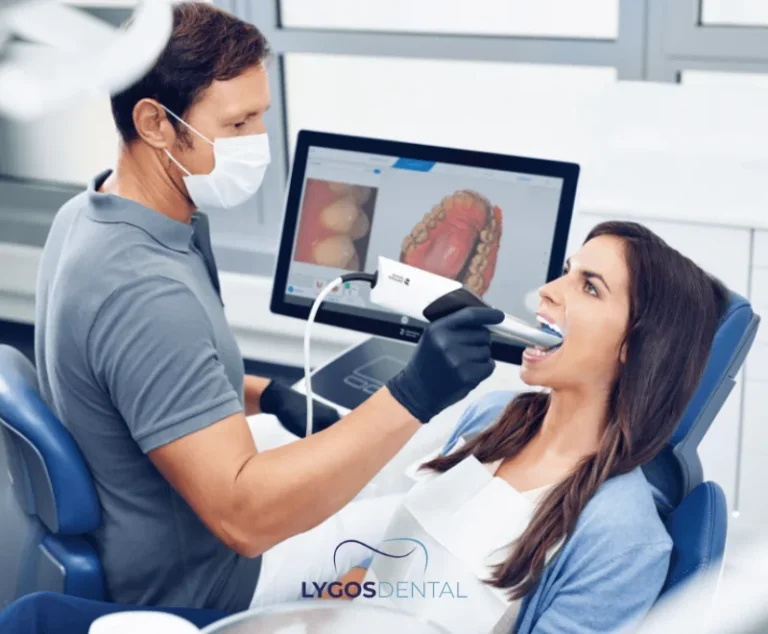
- Consultation and evaluation: Exam, photos, and sometimes X-rays or 3D imaging to understand tooth and jaw structure.
- Treatment plan: A personalized plan that may combine treatments (for example, orthodontics first, then whitening or veneers).
- Treatment: Some options are completed in one visit (whitening, bonding), while others take multiple visits (veneers, implants, orthodontics).
- Aftercare and maintenance: Guidance on cleaning, stain prevention, and follow-ups to protect your results.
If you have active decay, gum disease, or bite problems, those are usually addressed first so the final result lasts.
Cosmetic Dentistry Costs
Costs vary by country, materials, case complexity, and how many teeth are treated. Insurance may cover parts of treatment when there’s a functional or restorative need, but purely cosmetic work is often self-pay.
Approximate self-pay ranges (often quoted in the U.S.) include:
- Teeth whitening: $300–$1,500
- Veneers: $500–$2,500 per tooth
- Bonding: $100–$400 per tooth
- Crowns: $800–$3,000 per crown
- Dental implants: $1,500–$4,000+ per implant (often higher when the crown and imaging are included)
- Orthodontics: $3,000–$8,000 for braces or clear aligners
Many clinics offer staged treatment plans and financing options. If budget is a concern, ask your dentist which changes will make the biggest visible difference first.
Who Is Cosmetic Dentistry Suitable For?
Cosmetic dentistry is often a good fit for people who are in overall good oral health and want to improve how their smile looks. Common reasons to consider cosmetic treatment include:
- Discolored or stained teeth
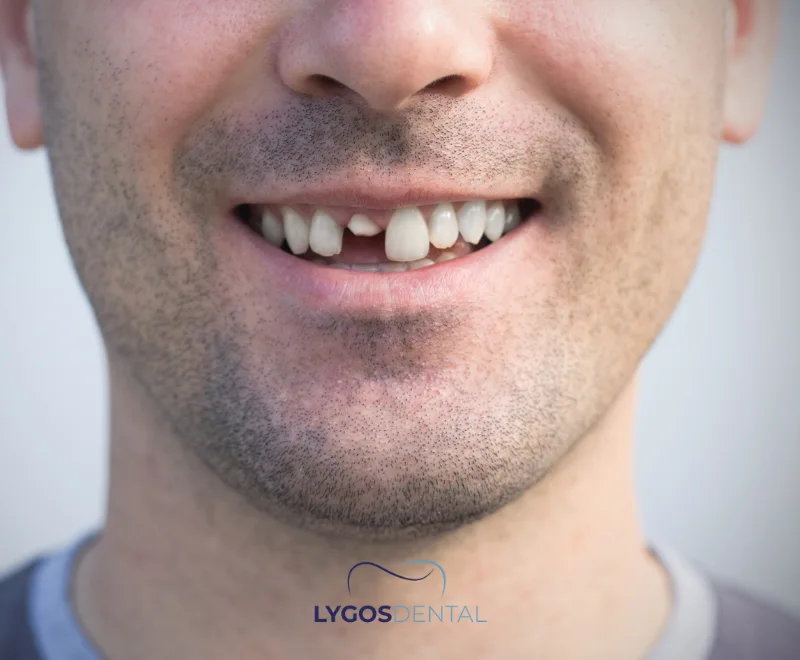
- Chipped, cracked, or worn edges
- Small gaps or uneven tooth shapes
- Crooked or crowded teeth
- Uneven gum line or a gummy smile
- Missing teeth
If you have untreated cavities, advanced gum disease, or severe bite issues, those usually need treatment first. A cosmetic dentist can tell you what’s realistic and what will help the result last.
Cosmetic dentistry can be as simple as whitening or as comprehensive as a full smile makeover. The best results come from a plan that balances appearance with long-term tooth and gum health.
Can Cosmetic Dentistry Improve My Smile? Frequently Asked Questions
Is cosmetic dentistry worth it?
Yes, if it improves function or confidence and fits your budget and expectations.
What are the disadvantages of cosmetic dentistry?
Disadvantages include cost, tooth sensitivity, irreversible enamel removal, maintenance needs, and occasional complications.
How long do cosmetic dental treatments last?
Whitening lasts months–2 years; veneers 10–15 years; bonding 3–10 years.
How painful is cosmetic dentistry?
Mild for most; numbing is used, but some sensitivity or soreness can occur.
Is cosmetic dentistry permanent?
No; some changes are irreversible, but restorations wear and may need replacement.