
Common Oral and Dental Health Mistakes
Common Oral And Dental Health Mistakes
Most dental problems start with everyday habits: rushing your brushing, scrubbing with a hard brush, skipping interdental cleaning, sipping sugary or acidic drinks, and delaying dental check-ups. Gentle brushing for two minutes with fluoride toothpaste, daily flossing, smarter snacking, and regular exams help protect enamel, gums, and breath.
Table of Contents
Tooth Brushing Mistakes
Brushing Too Quickly
Brushing for a few seconds rarely removes plaque along the gumline and between teeth.
Aim for about two minutes, covering every surface: outer, inner, and chewing surfaces, plus the tongue for fresher breath.
Brushing Too Hard Or Using Hard Bristles
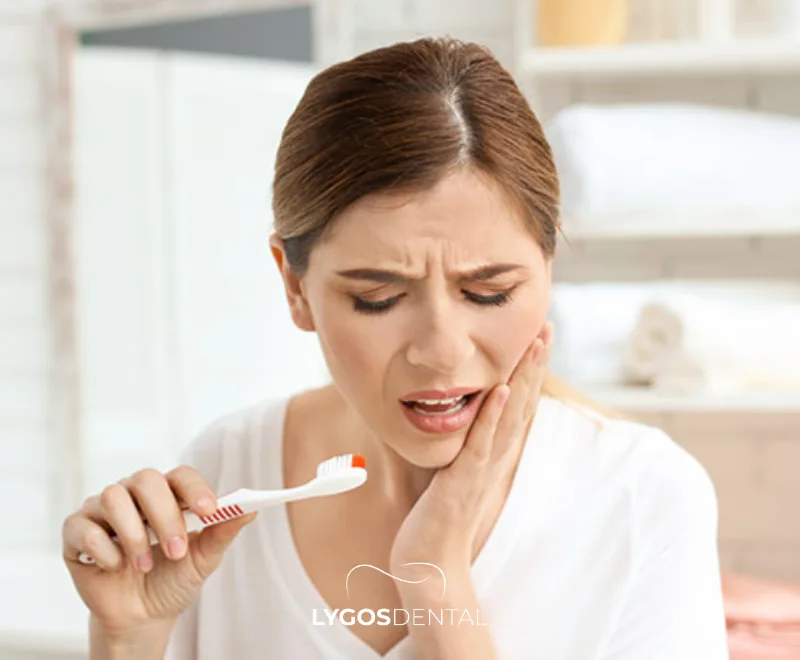
Scrubbing aggressively or using a hard-bristled brush can wear enamel and irritate gums.
Use a soft-bristled brush and gentle pressure. If your bristles splay out quickly, you’re likely brushing too hard.
Not Replacing Your Toothbrush Regularly
A worn brush cleans less effectively and can harbor bacteria.
Replace your toothbrush or electric brush head every 3–4 months, or sooner if the bristles are frayed or after illness.
Brushing Right After Acidic Foods Or Drinks
Acidic items like citrus, soda, sports drinks, wine, and sour candies can temporarily soften enamel.
Brushing immediately afterwards may increase enamel wear. Rinse with water first and wait about 30–60 minutes before brushing.
Brushing Before Or After Breakfast
Brushing before breakfast removes overnight plaque and leaves a protective fluoride layer on the teeth.
If you prefer brushing after breakfast, wait about 30 minutes after eating (especially after coffee, juice, or fruit) so enamel isn’t softened by acids.
Ignoring Your Gumline
Plaque tends to collect where teeth meet gums, which can trigger bleeding and inflammation.
Angle your brush slightly toward the gumline and make small, gentle strokes rather than wide scrubbing motions.
Skipping Your Tongue
The tongue can hold bacteria that contribute to bad breath and coating.
Brush your tongue gently or use a tongue scraper once a day.
Flossing And Interdental Cleaning Mistakes
Not Flossing At All
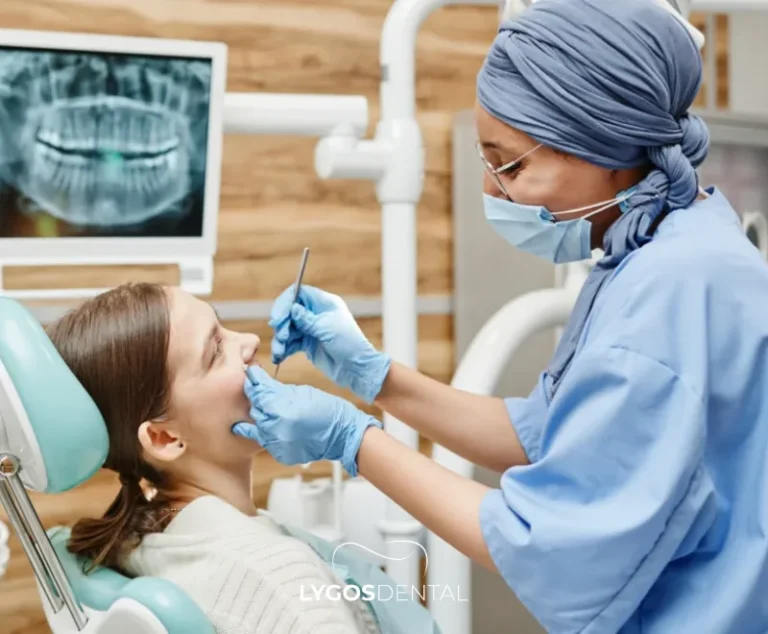
A toothbrush can’t clean between teeth where plaque often hides.
Clean between teeth daily using floss, interdental brushes, or water flossers—choose what you can do consistently.
Flossing Too Hard
Snapping floss down can cut gums and make flossing unpleasant.
Guide floss gently between teeth, curve it into a “C” shape around each tooth, and slide it up and down.
Only Flossing When Food Gets Stuck
Interdental cleaning isn’t just for removing food—it removes plaque that contributes to cavities and gum disease.
Make it a daily habit, even if you don’t feel anything stuck.
Mouthwash Mistakes
Using Mouthwash As A Substitute For Brushing
Mouthwash can support oral hygiene, but it doesn’t remove plaque like brushing and flossing.
Use it as an add-on, not a replacement—especially if you’re prone to gum inflammation or cavities.
Rinsing Right After Brushing With Fluoride Toothpaste
Rinsing immediately after brushing can wash away fluoride, reducing its protective benefit.
Spit out toothpaste after brushing and avoid rinsing for a while so fluoride can stay on the teeth longer.
Overusing Strong Antiseptic Mouthwashes
Frequent use of strong antiseptic rinses can cause dryness or irritation for some people.
Follow the label directions. If your dentist recommends one, it’s often for short-term use.
Diet And Lifestyle Mistakes
Frequent Snacking And Sipping Sugary Drinks
Each snack or sugary drink can start an “acid attack” that weakens enamel.
Try to limit grazing. Drink water between meals and keep sugary or acidic drinks to mealtimes when possible.
Too Many Acidic Foods And Drinks
Acidic choices can soften enamel, especially when consumed often.
Use a straw for acidic drinks, rinse with water after, and avoid brushing right away.
Not Drinking Enough Water
Saliva helps neutralize acids and wash away food particles.
Staying hydrated supports saliva flow and can help reduce dry mouth and bad breath.
Smoking Or Vaping
Tobacco and nicotine products can increase staining, dry mouth, gum disease risk, and slower healing.
Quitting or cutting back can improve gum health and reduce oral health complications over time.
Skipping Dental Visits And Early Warning Signs
Waiting Until Pain Starts
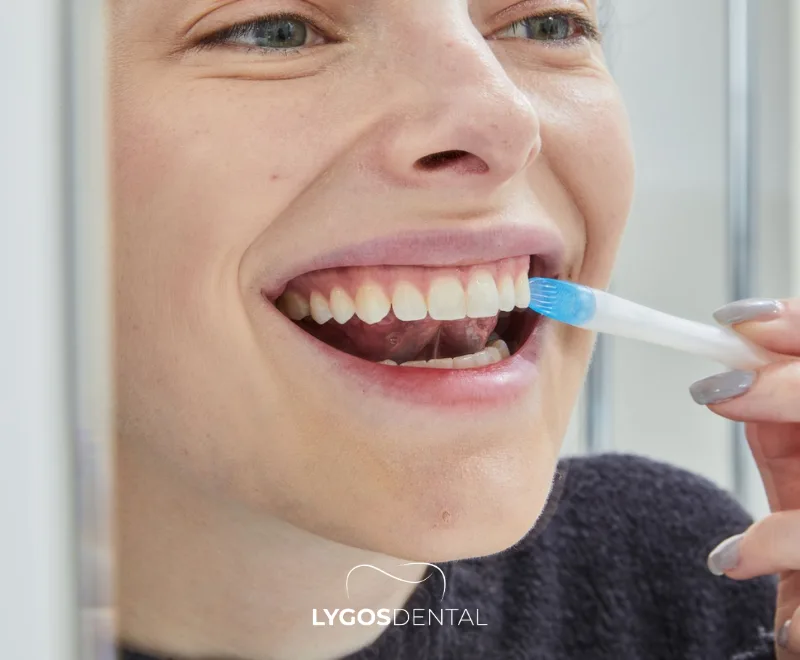
Many dental problems don’t hurt until they’re advanced.
Regular check-ups help catch decay and gum disease early, when treatment is simpler and less costly.
Ignoring Bleeding Gums
Bleeding during brushing or flossing is often a sign of gum inflammation.
If it persists for more than a week or two despite improved cleaning, book a dental visit to assess gum health.
Not Addressing Tooth Sensitivity
Sensitivity can come from enamel wear, exposed roots, cavities, or grinding.
Don’t self-diagnose—use a sensitivity toothpaste and schedule an exam if it continues.
Tooth Whitening And DIY Treatments Mistakes
Overusing Whitening Products
Overuse can increase sensitivity and irritate gums.
Follow the recommended schedule and take breaks if you notice discomfort.
Trying Harsh DIY “Hacks”
Abrasive or acidic DIY methods can damage enamel.
If you want whiter teeth, ask your dentist about safer options and realistic results.
Grinding, Clenching, And Jaw Habits
Ignoring Night Grinding
Grinding can flatten teeth, cause cracks, and lead to jaw soreness or headaches.
If you wake with jaw pain or notice tooth wear, ask about a night guard or other treatment.
Chewing Ice Or Hard Objects
Chewing hard items can chip enamel and crack fillings.
Choose softer snacks and avoid using your teeth as tools.
FAQ
Dental problems and solutions
Common problems: cavities, gum disease, sensitivity; solutions: hygiene, fluoride, dentist treatment.
How often should I brush my teeth?
Twice daily for two minutes, and after sugary meals if possible.
Oral and dental problems
Include cavities, gingivitis, periodontitis, bad breath, erosion, ulcers, and tooth loss.
What are the 5 oral health diseases?
Dental caries, gingivitis, periodontitis, oral cancer, and oral candidiasis are five.
Definition of oral hygiene
Oral hygiene is daily practices that keep teeth and gums clean and healthy.