
Dental Cleaning Cost Without Insurance
Dental Cleaning Cost Without Insurance
Without insurance, a routine dental cleaning often costs about $75–$200. A deep cleaning (scaling and root planing) may cost $150–$350 per quadrant, or $600–$1,400 for the full mouth. Pricing changes by location and whether your visit includes an exam, X-rays, or fluoride. Dental schools, community clinics, and discount plans can help lower the bill.
What Is Dental Cleaning?
A professional dental cleaning is a preventive visit where a dental hygienist or dentist removes plaque, tartar (calculus), and surface stains. Cleanings help lower your risk of cavities, gum disease, and bad breath, and they give your provider a chance to spot problems early.
A typical cleaning appointment may include:
-
- Scaling and polishing to remove plaque and tartar.
- A brief exam to check for cavities, gum inflammation, and other concerns.
- Fluoride treatment (optional) to strengthen enamel.
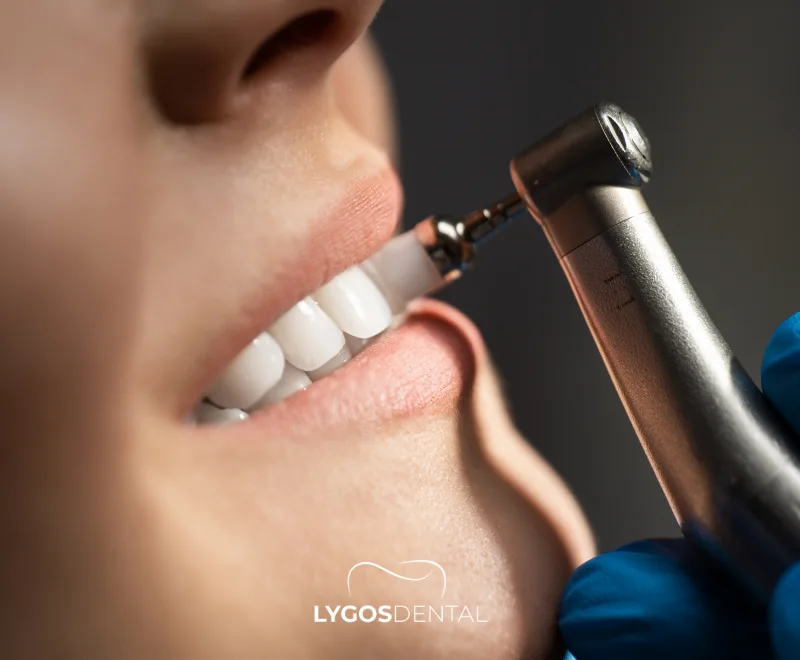
Table of Contents
How Much Does A Teeth Cleaning Cost Without Insurance?
Out-of-pocket pricing depends on the type of cleaning and what’s bundled into the visit. Many offices quote one price for a basic cleaning and a different price if you need deeper periodontal care.
Typical price ranges without insurance:
- Standard cleaning (prophylaxis): $75–$200 per visit
- Deep cleaning (scaling and root planing): $150–$350 per quadrant (often $600–$1,400 for the full mouth)
- Periodontal maintenance (follow-up cleanings for gum disease): $120–$250 per visit
Keep in mind that a first-time visit can cost more if it includes an exam, X-rays, or other diagnostics.
Factors Affecting The Cost Of Dental Cleaning
- Where you live: Dental fees are usually higher in large cities and higher-cost regions than in smaller towns.
- Type of cleaning you need: A routine cleaning is typically the least expensive. If you have gum disease or heavy tartar buildup, a deeper cleaning may be recommended.
- What’s included in the appointment: Some prices include an exam and polishing, while others add separate charges for X-rays, fluoride, or periodontal measurements.
- Provider experience and clinic overhead: Costs can rise at practices with more specialized staff, newer technology, or higher operating expenses.
- Office discounts and payment options: Cash-pay discounts, new-patient specials, membership plans, or payment plans can reduce the total you pay.
Affordable Alternatives For Dental Cleaning Without Insurance
If you’re uninsured, you still have several realistic ways to bring the cost down:
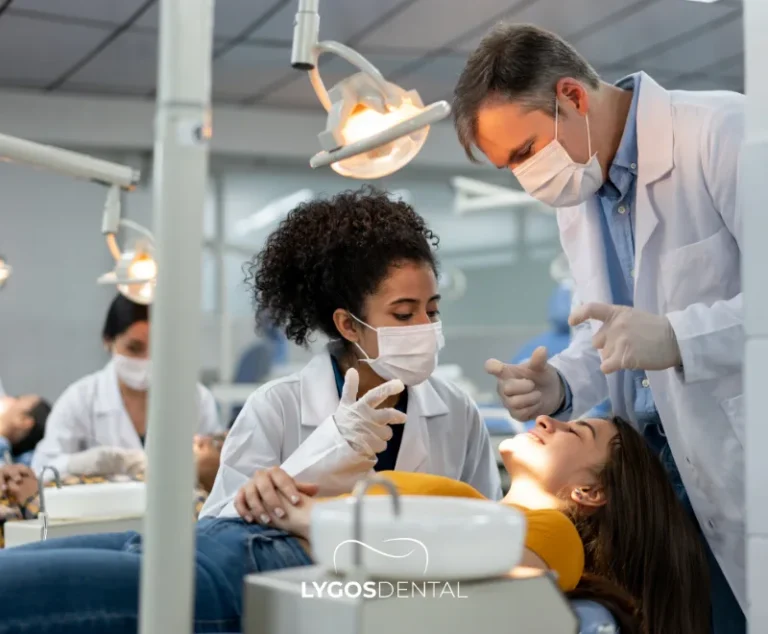
- Dental schools: Supervised students often provide cleanings at reduced rates. Appointments can take longer, but costs are usually lower.
- Community health clinics: Many clinics offer sliding-scale fees based on income, and some run limited free-care days.
- Dental discount plans: You pay an annual fee for access to discounted rates at participating dentists. This isn’t insurance, but it can help with predictable pricing.
- In-office membership plans: Some practices offer a monthly or annual plan that includes cleanings and exams, plus discounts on other services.
- Ask about cash-pay pricing: If you can pay at the visit, many offices can offer a lower rate or bundle services.
- Nonprofits and local programs: Charities, public health programs, and mobile dental events sometimes provide low-cost cleanings in the community.
How Often Should You Get A Dental Cleaning?
Cleaning frequency depends on your risk for cavities and gum disease. Many people do well with a cleaning about every six months, while others benefit from more frequent visits.
Common schedules include:
- About every 6 months for people with generally healthy gums and good home care
- Every 3–4 months if you have gum disease, frequent tartar buildup, or other risk factors (such as smoking or certain medical conditions)
- A personalized interval recommended by your dentist based on your exam
Staying on schedule can prevent bigger problems and help avoid higher costs later.
Get Information Now
Want a clearer estimate for your situation? Contact us to ask about appointment availability and pricing for cosmetic dentistry, dental crowns, dental implants, and general dentistry services.
The Importance Of Regular Dental Cleanings For Oral Health
Routine cleanings support your oral health in ways that daily brushing can’t fully replace:
- Helps prevent cavities and gum disease: Professional scaling removes hardened tartar that can’t be brushed away at home.
- Catches issues early: Regular visits can flag early gum inflammation, decay, worn fillings, or other concerns before they become expensive problems.
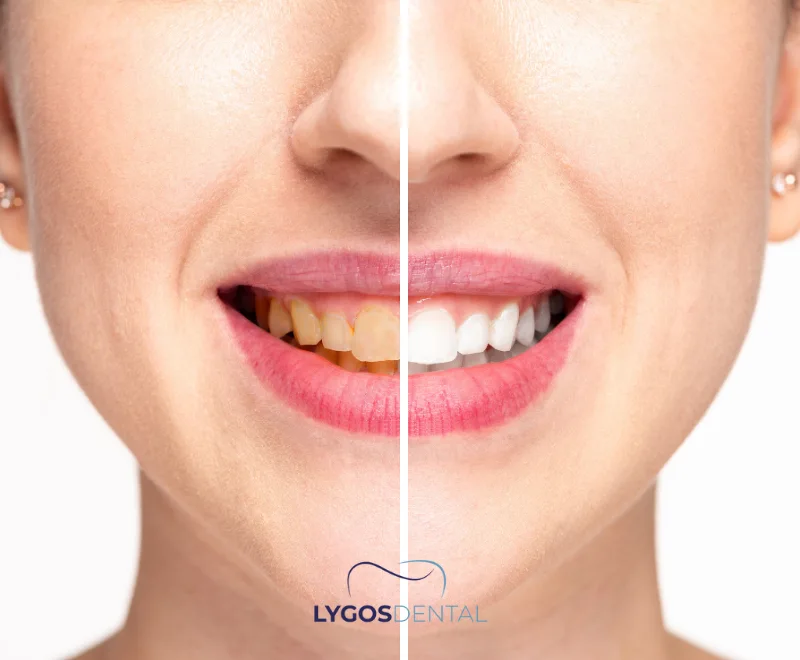
- Improves breath and appearance: Polishing removes surface stains and can leave teeth feeling smoother and cleaner.
- Supports overall health: Oral infections and inflammation can affect the rest of the body, so keeping your mouth healthy matters.
- Saves money over time: Preventive care is usually far cheaper than treating advanced decay or periodontal disease.
Dental Cleaning Cost Without Insurance Frequently Asked Questions
How much is it to clean teeth at the dentist?
Typically $75–$200 per cleaning; costs vary by location and insurance.
Is dental teeth cleaning worth it?
Yes, it reduces gum disease, cavities, bad breath, and tooth loss risk.
How painful is dental deep cleaning?
Usually mild to moderate discomfort; local anesthetic minimizes pain during scaling and planing.
What happens if you skip dental cleanings?
Skipping cleanings increases tartar buildup, gum disease, cavities, and costly future treatment.
Why are dentists not cleaning teeth?
Dentists often delegate routine cleanings to hygienists while they diagnose and treat problems.