
Dental Treatments with CAD/CAM Technology
Dental Treatments With CAD/CAM Technology
CAD/CAM dentistry uses a digital scanner to capture your teeth, then designs and mills restorations such as crowns, veneers, inlays/onlays, and implant crowns with high precision. Many cases can be completed faster than traditional lab workflows, often with a more comfortable impression process and a highly natural look—depending on your bite, materials, and clinical needs.
Dentistry has moved quickly toward digital workflows, and CAD/CAM has become one of the most practical upgrades for both patients and clinics. Instead of taking a putty impression and waiting days for a lab, many restorations can be planned digitally and produced with tighter tolerances.
This guide explains what CAD/CAM technology is, where it is used in modern dentistry, and what to expect in terms of benefits, limitations, and pricing.
Table of Contents
What Is CAD/CAM Technology?
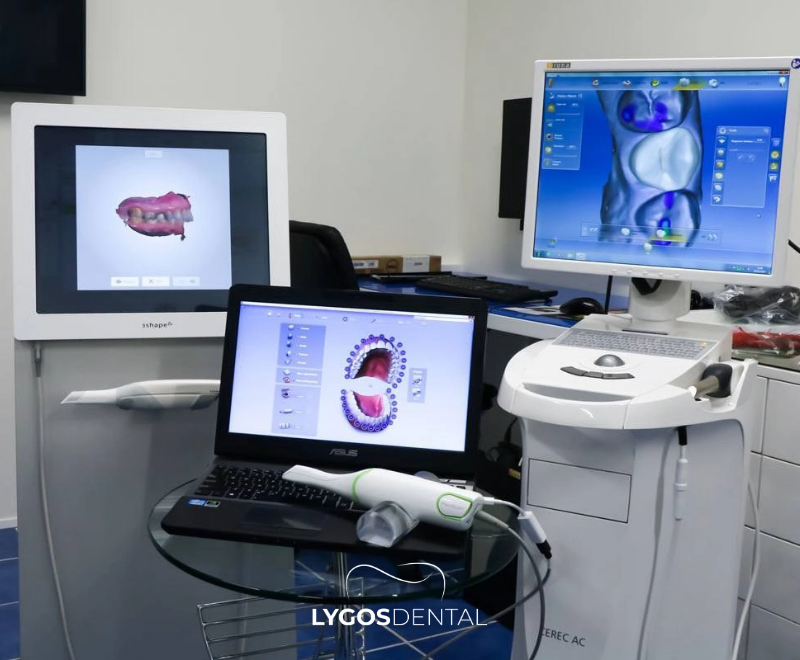
CAD/CAM stands for Computer‑Aided Design (CAD) and Computer‑Aided Manufacturing (CAM). In dentistry, it typically includes three steps:
- Digital scanning of teeth and gums with an intraoral scanner (or a scan of a physical model).
- Designing the restoration on a computer using specialized software.
- Manufacturing the piece by milling or 3D printing, then finishing and bonding or cementing it.
Common CAD/CAM materials include ceramics such as zirconia, lithium disilicate (e.g., E.max), and other high‑strength porcelain options.
Where CAD/CAM Is Used In Dentistry
CAD/CAM can support a wide range of restorative and aesthetic treatments. The most common applications include:
Crowns And Bridges: Single‑tooth crowns and multi‑unit bridges can be designed to match your bite and smile line more precisely.
Veneers (Laminates): Thin ceramic shells for front teeth can be digitally planned for shape, symmetry, and shade.
Inlays And Onlays: Custom restorations for larger cavities or fractured cusps when a standard filling is not ideal.
Implant‑Supported Restorations: Implant crowns, bridges, and full‑arch prostheses can be designed with careful attention to emergence profile and screw/cement access.
Orthodontic Appliances: Clear aligner workflows and some retainers can be planned digitally and produced with high consistency.
Key Advantages For Patients
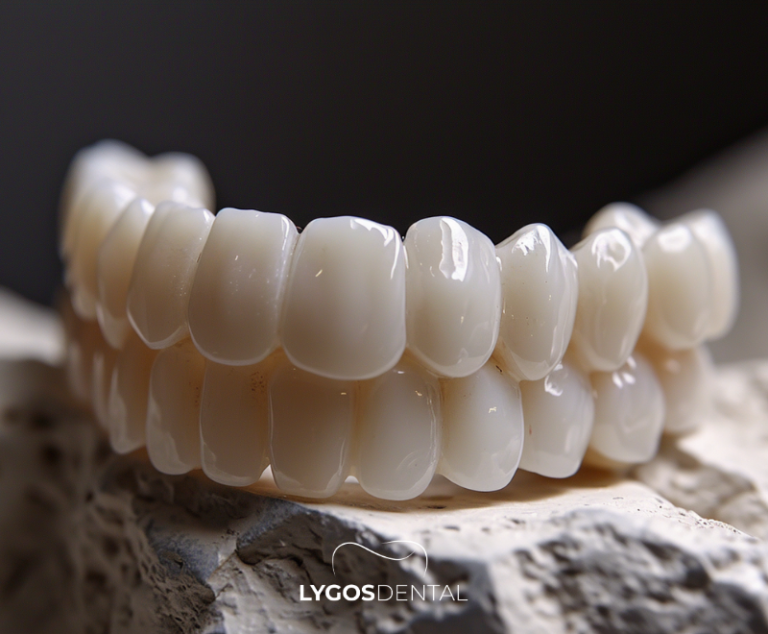
- Faster turnaround: many cases can be delivered sooner, and some clinics offer same‑day options for selected restorations.
- High precision: digital scanning and manufacturing can reduce distortion and improve the fit of margins and contacts.
- More comfortable impressions: scanners can replace messy impression materials in most cases.
- Natural aesthetics: modern ceramics can closely mimic enamel translucency and color.
- Biocompatible materials: zirconia and other ceramics are widely used and well tolerated for many patients.
Your dentist may still recommend a conventional approach for certain situations, such as complex bite issues, extensive gum treatment needs, or when a lab‑crafted restoration is clinically preferable.
CAD/CAM Vs Traditional Dentistry
Both methods can produce excellent results. The difference is often the workflow and speed rather than the final goal.
| Feature | Traditional Method | CAD/CAM Method |
| Impressions | Putty/paste impressions (can trigger gag reflex) | Digital scan with an intraoral scanner (typically more comfortable) |
| Production Time | Often several days (lab turnaround) | Often faster; sometimes same‑day for selected cases |
| Accuracy | More steps where distortion can occur | Digital workflow can improve consistency and fit |
| Aesthetics | Depends on lab and materials | Digital planning + modern ceramics can improve predictability |
| Appointments | Commonly 2+ visits | Can be fewer visits depending on the case |
Who Is CAD/CAM Suitable For?
CAD/CAM is suitable for many people, but case selection matters. It is commonly recommended for patients who:
- Want a natural-looking, aesthetic restoration for visible teeth.
- Need a precise crown, veneer, inlay/onlay, or implant restoration.
- Prefer a shorter, more streamlined treatment process.
- Have had problems with impressions in the past (gag reflex, discomfort).
A clinical examination, X‑rays, and sometimes a digital bite analysis help your dentist decide whether a CAD/CAM restoration is the best option for your mouth and bite.
CAD/CAM Dental Treatment Prices In 2026
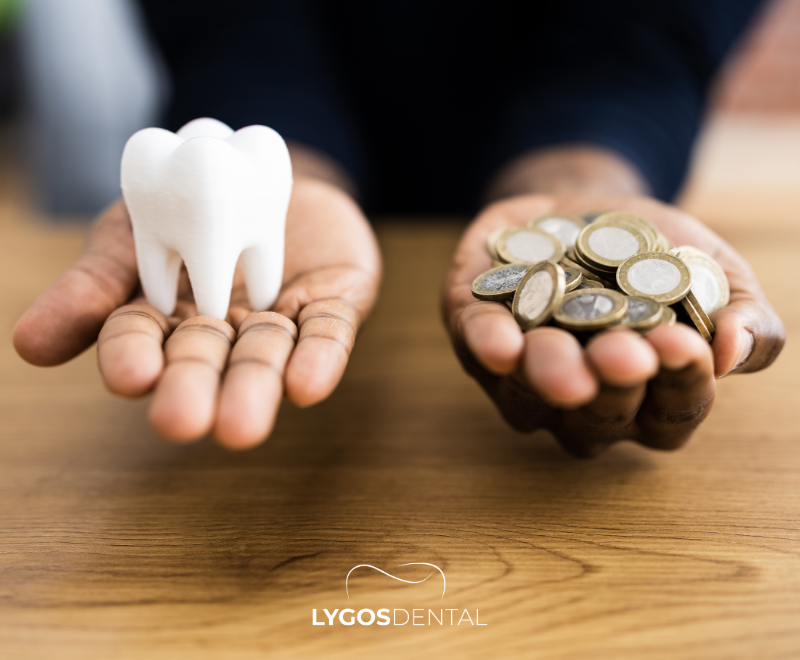
Pricing varies by material, case complexity, number of teeth, and the clinic’s equipment and lab setup. In Turkey, many clinics quote in EUR or USD for international patients, so exchange rates can affect the final cost.
Typical price drivers include:
- Material choice (zirconia, lithium disilicate, multilayer ceramics, etc.).
- Tooth preparation complexity and whether temporary restorations are needed.
- Number of units (single tooth vs multi‑unit bridge).
- Additional treatments (gum shaping, root canal treatment, bite adjustments).
- Clinic location and clinician experience.
Indicative per‑tooth price ranges in Turkey (2026):
| Procedure (Typical Example) | Approximate Range (TRY) |
| Zirconia Crown (per tooth) | ₺6,700 – ₺10,300 |
| Porcelain Veneer (per tooth) | ₺8,700 – ₺15,200 |
| Composite Veneer (per tooth) | ₺7,800 – ₺10,800 |
| E.max / Lithium Disilicate Veneer (per tooth) | ₺13,000 – ₺26,000 |
| Inlay (per tooth) | ₺5,900 – ₺17,800 |
| Onlay (per tooth) | ₺8,900 – ₺23,700 |
| Single Implant Package (implant + abutment + crown) | ₺17,400 – ₺34,700 |
These figures are broad estimates. A written treatment plan after examination is the only reliable way to confirm pricing for your specific case.
FAQ
What is CAD/CAM technology?
Computer-aided design and manufacturing create precise dental restorations from digital scans.
Types of CAD/CAM Systems in Dentistry
Systems include chairside, lab-based, and centralized milling/printing workflows with intraoral scanners.
Advantages and Disadvantages of CAD/CAM in Dentistry
Pros: speed, precision, consistency; cons: high cost, training needs, material and esthetic limits.
Is CAD/CAM technology safe?
Yes; it’s widely used and safe when clinicians follow proper scanning, design, and fabrication protocols.
What treatments can be performed with CAD/CAM?
It can make crowns, bridges, inlays/onlays, veneers, implant abutments, guides, and dentures.