
Gappy Teeth
Gappy Teeth: Causes, Treatment & Prevention
Gappy teeth (diastema) are visible spaces between two teeth, most often the upper front teeth. They’re commonly caused by genetics, tooth-size/jaw-size mismatch, missing teeth, gum disease, or habits like tongue thrusting. Treatment ranges from orthodontics and bonding to veneers, crowns, or replacing missing teeth. Good hygiene and early dental advice help prevent gaps related to gum disease and shifting.
What Are Gappy Teeth (Diastema)?
Gappy teeth—clinically called diastema—describe a space between two teeth. The most recognizable gap sits between the two upper front teeth, but spacing can occur anywhere along the arch.
Diastema is common during childhood and often narrows as permanent teeth come in. In adults, a gap may remain stable for years or gradually widen if the underlying cause isn’t addressed.
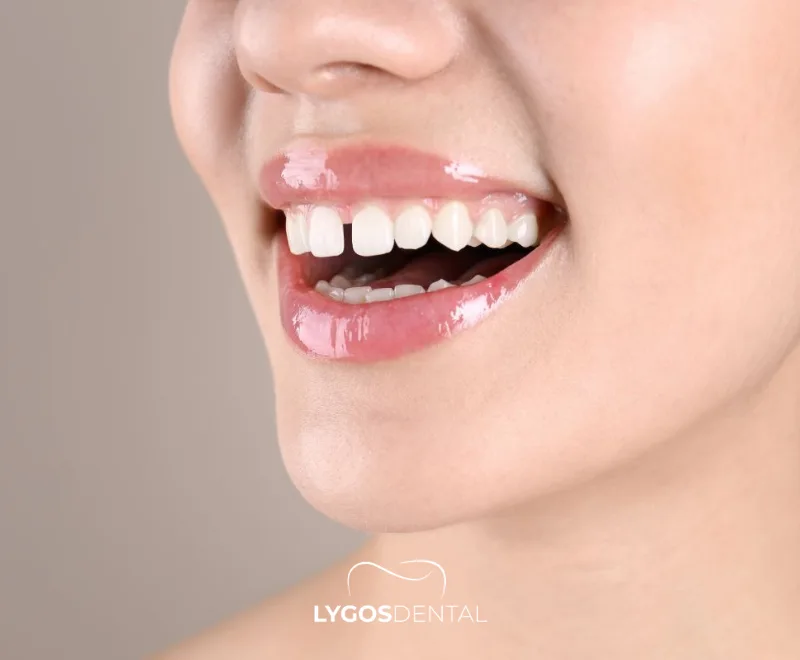
Table of Contents
Common Causes Of Gappy Teeth
More than one factor can contribute to spacing. A dentist or orthodontist will look for the primary cause before recommending treatment.
- Genetics and tooth–jaw size mismatch: Teeth that are relatively small for the jaw can leave extra space.
- Missing or undersized teeth: A missing tooth (or a “peg” lateral incisor) can let neighboring teeth drift.
- Large labial frenum: The band of tissue connecting the upper lip to the gum can sit low or thick and keep the front teeth apart.
- Gum disease (periodontal disease): Bone loss around teeth can make them loosen and shift, creating or worsening gaps.
- Childhood habits: Thumb sucking, prolonged pacifier use, or tongue thrusting can push teeth forward and apart over time.
- Tooth movement over time: Teeth can shift with age, after tooth loss, or if retainers aren’t worn after orthodontic treatment.
Possible Oral Health Issues Linked To Tooth Gaps
A diastema is often harmless, but the space can make plaque control trickier—especially if the gap sits next to inflamed or receding gums.
If spacing is caused by gum disease or missing teeth, treating the underlying condition matters more than the gap itself. In some cases, gaps also accompany bite problems that can contribute to uneven wear or jaw discomfort.
Speech changes are possible, particularly with larger gaps at the front, although not everyone is affected.
Treatment Options For Gappy Teeth
The right approach depends on the cause, the size of the space, and your bite. Your clinician may combine treatments to get a stable result.
Orthodontics: Braces Or Clear Aligners
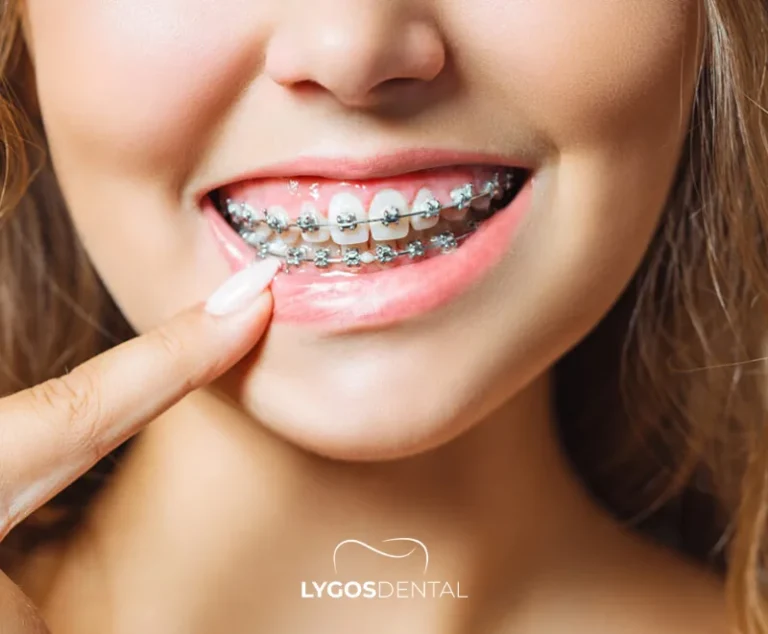
Orthodontic treatment gently moves teeth into position and is often the best choice when there are multiple gaps or broader alignment issues. Retention (wearing a retainer) is essential to reduce the risk of the gap reopening.
Composite Bonding
For small gaps, bonding can close spaces quickly by adding tooth-colored resin to the sides of the teeth. It’s conservative and typically completed in one visit, though it may stain or chip over time and can require maintenance.
Veneers
Porcelain or composite veneers can reshape the visible surface of the teeth to disguise a gap and improve symmetry. Veneers are mainly a cosmetic solution and usually require some enamel preparation.
Crowns
Crowns may be recommended when a tooth is heavily filled, weak, or needs a larger shape change than bonding or veneers can provide. They cover the entire tooth, so the preparation is more extensive.
Frenectomy
If a thick or low labial frenum is keeping the front teeth apart, a minor procedure called a frenectomy may be advised. It’s often paired with orthodontics or restorative work to close the space and help it stay closed.
Replacing Missing Teeth: Implants Or Bridges
When spacing is driven by a missing tooth, replacing it can prevent further drifting and restore function. Your dentist may suggest an implant, a fixed bridge, or another appropriate option based on bone, bite, and overall health.

At-Home Approaches: What Helps And What To Avoid
Be cautious with online “quick fixes.” Any method that moves teeth should be supervised by a dental professional.
Myofunctional therapy (tongue and swallowing training) can be helpful when tongue thrusting is part of the problem, but it usually complements orthodontic care rather than replacing it.
Daily brushing, flossing (or interdental brushes), and regular cleanings support gum health, which can reduce the risk of spacing that worsens due to inflammation or bone loss.
Avoid:
- DIY elastic bands or “gap bands”: These can slip under the gums, damage the supporting tissues, and may lead to serious gum and bone loss.
- Attempting to file teeth at home to “make room” for bonding or alignment: This can permanently damage enamel.
- Relying on oil pulling or supplements to close a gap: These may support general oral hygiene habits, but they do not move teeth.
How To Help Prevent Gaps From Developing Or Worsening
Not all diastemas are preventable, especially those driven by genetics. These steps can lower the risk of gaps related to disease and shifting:
- Keep gums healthy: Brush twice daily, clean between teeth, and get regular dental check-ups and professional cleanings.
- Treat gum disease early: Bleeding gums, persistent bad breath, and gum recession should be checked promptly.
- Replace missing teeth in a timely way to reduce drifting and bite changes.
- Manage childhood habits: Address thumb sucking, extended pacifier use, and tongue thrusting early with professional guidance.
- Wear retainers as prescribed after orthodontic treatment.
When To See A Dentist Or Orthodontist
Book an assessment if a gap is getting larger, if you notice gum bleeding or looseness, or if food traps are becoming a daily issue.
You should also get advice before choosing a cosmetic fix. Closing a gap without checking the bite can create problems elsewhere, such as chipping, uneven wear, or gum irritation.
Gappy Teeth FAQ
How to stop gaps from forming in teeth?
Prevent gaps by maintaining gum health, treating bite issues, and wearing retainers after orthodontics.
What causes gappy teeth?
Gappy teeth result from genetics, tooth-size/jaw mismatch, gum disease, missing teeth, habits.
Can gappy teeth be fixed?
Yes, gaps can be closed with orthodontics, bonding, veneers, crowns, or implants.
Do gaps in teeth cause problems?
Sometimes gaps trap food, affect speech, shift teeth, and worsen bite.
What is the best teeth gap treatment?
Best treatment is orthodontic alignment for larger gaps; bonding or veneers for small gaps.
How to reduce gaps in teeth naturally?
You cannot naturally close most gaps; stop habits and treat gum disease promptly.