
Gum Problems in the Elderly
Gum Problems in the Elderly
Gum problems are common in older adults and can progress from mild gum inflammation to advanced periodontitis and tooth loss. Watch for bleeding, swelling, bad breath, receding gums, and loose teeth. With timely dental care, good daily cleaning, and management of dry mouth and chronic conditions, most cases can be controlled.
As we age, gum tissue can become more vulnerable to inflammation and infection. Changes in dexterity, medications that cause dry mouth, and long-term health conditions can make gum disease easier to develop and harder to notice early.
The good news is that most gum problems respond well to early treatment and consistent home care. The sections below cover symptoms to watch for, common risk factors, treatment options, and practical tips for seniors and caregivers.
Symptoms Of Gum Problems In The Elderly
Table of Contents
Gum disease often starts quietly. If symptoms are missed, it can progress and increase the risk of tooth loosening or tooth loss.
- Red, swollen, or tender gums
- Bleeding during brushing or flossing
- Persistent bad breath or a bad taste
- Gums pulling away from the teeth (gum recession)
- Sensitive teeth or exposed roots
- Teeth that feel loose or a bite that feels different
If you notice these changes, schedule a dental visit. Earlier care usually means simpler treatment and better comfort.
Risk Factors For Gum Problems In The Elderly
Several factors can increase the likelihood of gum disease in older adults. Knowing what applies to you helps you prevent flare-ups and catch issues sooner.
- Age-related tissue changes: gums may thin and attachments can weaken over time
- Oral hygiene challenges: arthritis, tremor, or reduced mobility can make brushing and flossing harder
- Smoking or tobacco use: reduces blood flow to the gums and slows healing
- Diabetes and other chronic conditions: can raise inflammation and affect infection control
- Dry mouth (often medication-related): less saliva makes plaque build up faster
- Nutritional gaps: low intake of key nutrients can affect gum resilience and healing
Common Types Of Gum Disease In Older Adults
Treatment options vary depending on the stage of the disease and the patient’s general condition. Key treatment methods include:
- Professional dental cleaning (prophylaxis): To remove plaque and tartar buildup.
- Deep cleaning (scaling and root planing): To remove inflamed tissues below the gumline.
- Antibiotic therapy: Short-term antibiotic use may be required to control infections.
- Surgical interventions: In advanced cases involving gum recession or bone loss.
- Regular follow-up: Ongoing dental check-ups are critical after treatment.
These interventions are crucial for halting the progression of gum disease and maintaining oral health in the elderly.
Dental Implants in the Elderly
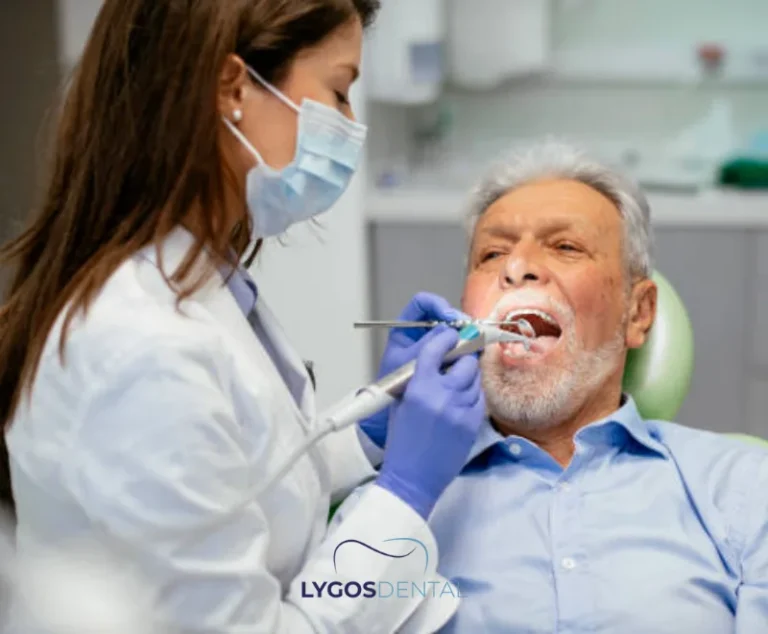
Since tooth loss is common in older age, dental implants have become a popular replacement option. However, gum health must be stabilized before implant placement. Infected gums can prevent successful integration of implants and lead to treatment failure. Therefore:
- Gum disease should be treated first
- Proper oral hygiene must be ensured
- Bone structure suitability must be assessed
When properly planned, implant treatment can provide both aesthetic and functional benefits for seniors.
At-Home Gum Care for the Elderly
The two most common gum conditions are gingivitis and periodontitis. Both start with plaque (bacterial buildup), but they affect different levels of the supporting tissues.
Gingivitis
Gingivitis is inflammation of the gums. It often causes redness and bleeding, but it has not yet damaged the bone that supports the teeth. With thorough cleaning and improved daily care, gingivitis is usually reversible.
Periodontitis
Periodontitis develops when inflammation spreads deeper under the gumline. It can lead to gum recession, bone loss, and tooth mobility. Treatment can stop or slow progression, but lost bone and attachment do not fully grow back without advanced procedures.
How Gum Disease Can Affect Overall Health
Gum infections can contribute to ongoing inflammation in the body. Studies have found associations between periodontitis and conditions such as cardiovascular disease, diabetes control, and some respiratory infections. Treating gum disease is one practical step toward better overall health, especially for people with chronic illnesses.
Treatment Options For Gum Problems In The Elderly
Treatment depends on severity, overall health, and the ability to keep the mouth clean during healing. A dentist or periodontist will usually start with the least invasive option and reassess after healing.
- Professional cleaning: removes plaque and tartar above the gumline
- Scaling and root planing (deep cleaning): clears deposits below the gumline and smooths root surfaces
- Targeted medications: antimicrobial rinses or short-term antibiotics when infection control is needed
- Gum or bone procedures: considered for advanced recession, deep pockets, or significant bone loss
- Maintenance visits: regular check-ups help prevent relapse after treatment
When To Contact A Dentist Quickly
Seek prompt dental advice if there is facial swelling, pus, fever, severe pain, sudden tooth mobility, or bleeding that does not stop. These can be signs of an abscess or a fast-moving infection.
Dental Implants In The Elderly
Dental implants can be a reliable option for replacing missing teeth in seniors, but the gums and supporting bone must be healthy enough for predictable healing. Active gum infection raises the risk of implant complications.
- Treat gum disease first and confirm stability
- Review medications and medical conditions that may affect healing
- Assess bone volume and quality with dental imaging
- Plan maintenance care to prevent inflammation around implants (peri-implant disease)
At-Home Gum Care Tips For Older Adults
Daily habits make the biggest long-term difference. If brushing and flossing are difficult, small tool changes often help more than trying harder with the same routine.
- Brush twice a day with a soft-bristled toothbrush; an electric brush can make technique easier
- Clean between teeth daily using floss, floss holders, or interdental brushes (choose what you can use consistently)
- Use fluoride toothpaste and ask your dentist whether an antimicrobial rinse is appropriate
- Stay hydrated and manage dry mouth; discuss saliva substitutes or medication adjustments with your clinician when needed
- Choose a balanced diet with adequate protein, fruits, and vegetables; limit frequent sugary snacks
- Avoid tobacco and reduce alcohol, since both can irritate tissues and slow healing
- Keep regular dental visits for early detection and maintenance
Tips For Caregivers
For seniors who need help, try brushing at the same time each day, use a small-headed soft brush, and keep lighting bright. If there are dentures, clean them daily and remove them at night unless the dentist advises otherwise.
Gum Problems In The Elderly FAQ
When is it too late to reverse gum disease?
It’s too late once periodontitis causes irreversible attachment or bone loss.
What is the best home remedy for gum disease?
Brushing twice daily and cleaning between teeth is the best home care for gum disease.
Can you repair receding gums?
Yes—receding gums can be repaired with periodontal treatment and gum graft surgery.
What toothpaste is good for receding gums?
A stannous-fluoride toothpaste helps reduce gingivitis and protect exposed roots.
Can I live a long life with gum disease?
Yes—with treatment and maintenance, gum disease can be controlled long-term.
How long do you have gum disease before teeth fall out?
Untreated periodontitis can lead to tooth loss over years to decades.